Did You Know?
"123456" has repeatedly topped NordPass's annual lists of the most common leaked passwords. Helping people do better than that is a big part of an IT support specialist's job.
The Numbers Behind the Career
The median salary for computer user support specialist in the U.S. was $61,860 in 2025.
About 48,700 computer support specialist job openings are projected each year over the next decade.
There were about 750,600 computer user support specialists in the U.S. in 2025.
Where This Career Is Headed
IT support is changing faster than at any point in its history, and the honest picture has two sides. On one side, the number of support jobs is expected to shrink slightly over the next decade, because organizations are using chatbots and automated tools to handle the simplest requests, such as password resets and basic how-to questions. At the same time, tens of thousands of positions open every year as people move up into other technology roles or retire, and the problems that remain for humans are the harder, more interesting ones: unusual failures, security incidents, new devices, and situations that require judgment.
Support is also moving toward remote work, with specialists helping users across the country from a single location, and toward a wider range of technology, as cloud services, mobile devices, and connected equipment multiply what can go wrong. The IT support specialist of the next decade will spend less time on routine tasks and more time on complex troubleshooting, security, and the human side of technology, and the role will remain one of the most common doorways into the wider technology field.
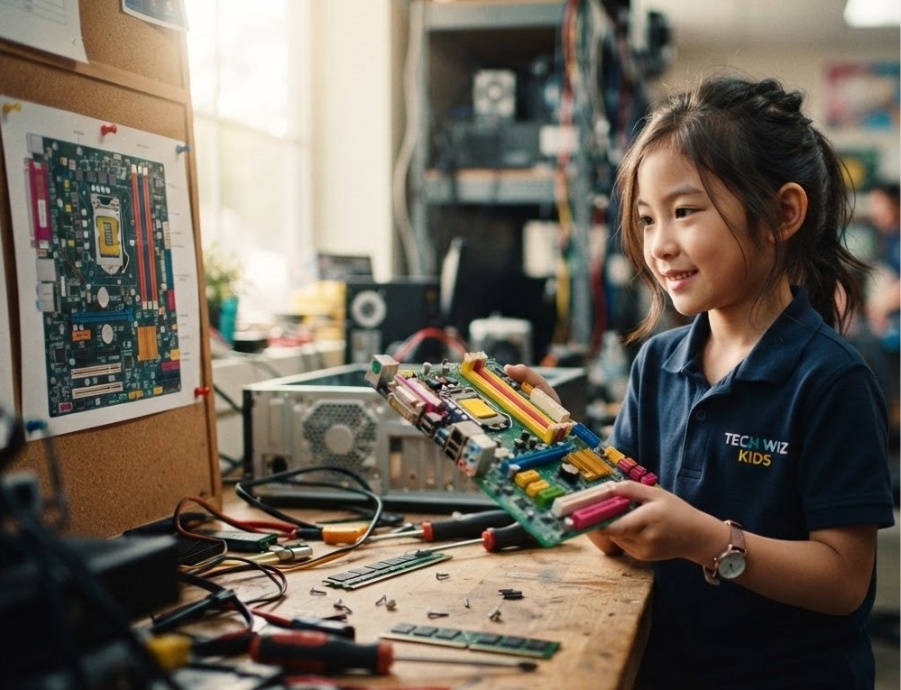
IT support is one of the most established entry points into technology careers, and specialists routinely advance into network administration, cybersecurity, systems administration, cloud engineering, and IT management.
The spread of remote work, cloud services, and connected devices means every organization depends on technology that someone has to keep running, and support skills are needed in every industry, not just tech companies.
As automation absorbs routine requests, the support work that remains is more skilled and more interesting, which favors specialists who keep learning and can handle problems software cannot.
Education & Certification
A four-year degree is often not necessary in IT support. Computer user support specialists typically need some college coursework, and many employers accept a high school diploma combined with relevant certifications and demonstrated skill. Network support specialists more often hold an associate degree, and some employers prefer a bachelor's degree in information technology, computer science, or a related field. Community colleges and technical schools offer certificate and associate programs in IT support and networking, often with hands-on labs and internships. Because employers care most about whether a candidate can solve problems, experience from a student help desk, an internship, or a part-time repair job carries real weight.
Certifications matter more in IT support than in most fields, and they are a common way to get a first job without a degree. CompTIA A+ is the most widely recognized entry-level credential. It requires passing two exams covering hardware, networking, mobile devices, operating systems, and troubleshooting. Specialists who want to advance often add CompTIA Network+ and Security+, vendor certifications from companies such as Microsoft and Cisco, and later credentials in cloud platforms or cybersecurity. None of these are legally required, but each one signals a specific, verified skill to employers.
To Prepare...
Take computer science, information technology, or networking courses if your school offers them, and treat any class that teaches how computers, networks, and operating systems work as directly useful.
Build communication skills in English, speech, or any class that requires explaining ideas clearly, because a support specialist who cannot explain a fix is only half as valuable.
Get hands-on experience with as many kinds of technology as you can: Windows, macOS, Linux, phones, tablets, printers, and home networks. Familiarity with everything is the job.