
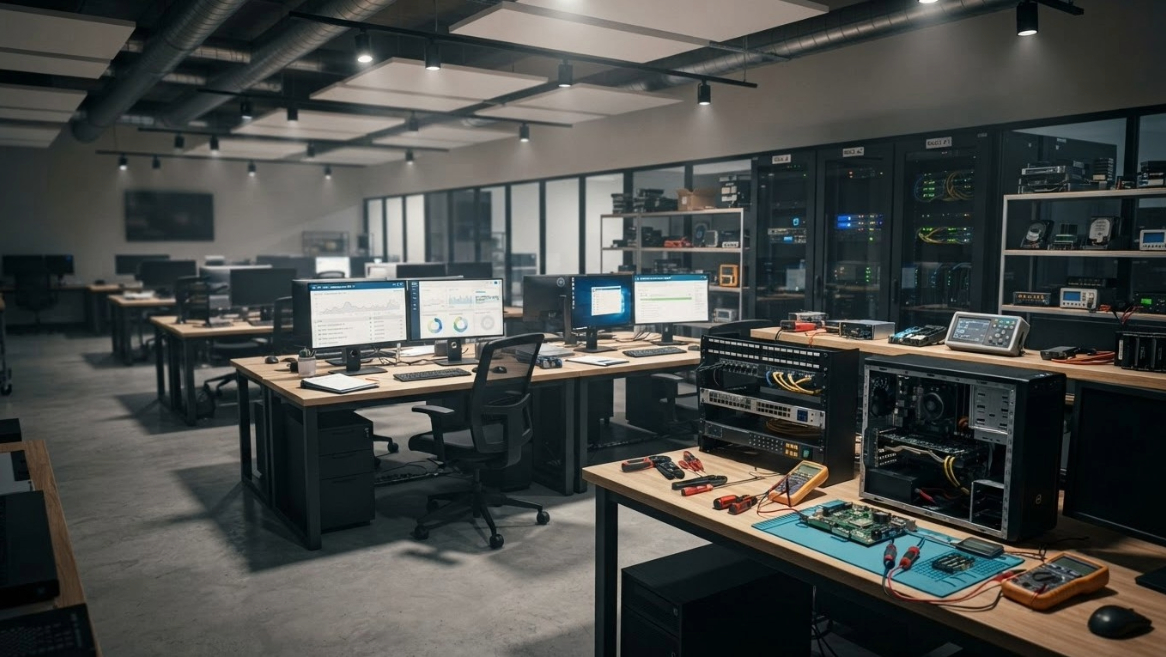
Did You Know?
"123456" has repeatedly topped NordPass's annual lists of the most common leaked passwords. Helping people do better than that is a big part of an IT support specialist's job.
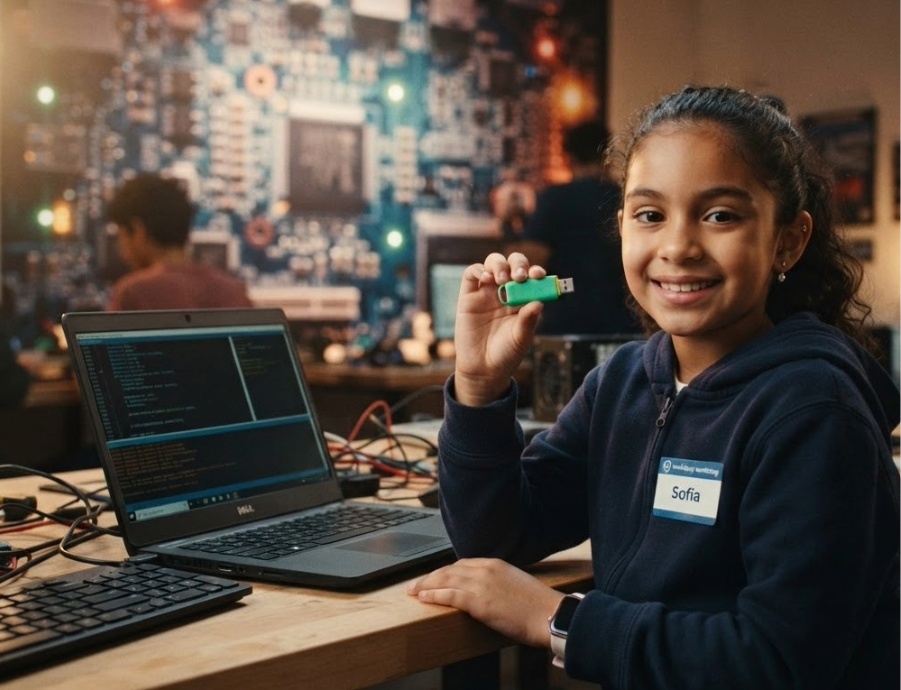
What IT Support Specialists Really Do
Think about what happens at school when a computer will not turn on, the Wi-Fi stops working, or the printer jams right before a big project is due. Somebody has to fix it, and fast. That person is an IT support specialist. "IT" stands for information technology, which means all the computers, phones, networks, and programs that people use every day. IT support specialists are the helpers who keep it all running. When something breaks, they figure out what went wrong, fix it, and explain what happened in plain language.
IT support specialists are detectives, teachers, and helpers all at once. They ask questions to find the cause of a problem, they try one solution at a time until something works, and they stay calm and kind even when the person they are helping is upset. They also set up new computers, install programs, and show people how to use them. If you like figuring out how things work, enjoy helping people, and are the one your family asks when a tablet or TV stops working, you might already be a natural at this job.
You Might Love This If...
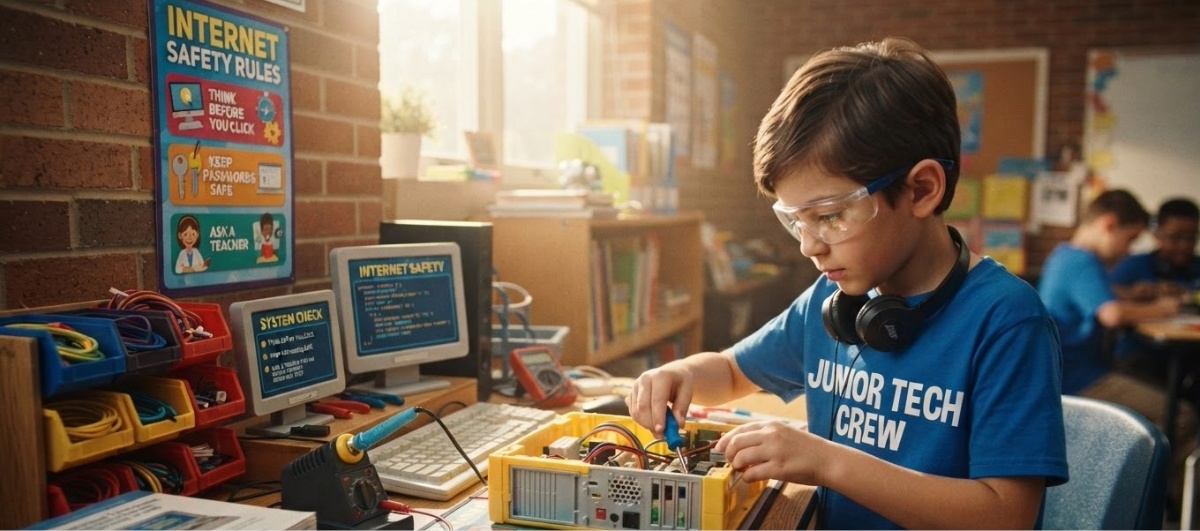
Skills That Follow You Everywhere
IT support specialists build skills that are useful far beyond the help desk. They learn to break a confusing problem into testable steps, to explain complicated things in plain language, and to stay patient and kind with people at their most frustrated. Those abilities matter in every career that involves solving problems for other people, which is most of them.
Problem-Solving
Every ticket is a mystery with the clues scattered across a user's description, an error message, and a system's settings. IT support specialists learn a method: gather information, check the simplest causes first, change one thing at a time, and confirm the fix before moving on. That disciplined approach to finding out what is wrong is the same one used by doctors, mechanics, engineers, and scientists, and once learned it applies to almost any problem in life.
Communication
A support specialist has to understand a problem from a person who may not have the words to describe it, then explain the solution in a way that person can follow. That means asking good questions, listening carefully, avoiding jargon, and writing clear notes so the next specialist can pick up where they left off. Learning to translate between technical and everyday language is a skill that opens doors in teaching, management, sales, and every job where experts have to talk to non-experts.
Empathy
People rarely contact IT support on a good day. They are locked out, their work is gone, or a deadline is minutes away. The best specialists learn to see the situation from the user's side, to take the person's stress seriously rather than the problem alone, and to stay calm and respectful even when they are blamed for something they did not cause. That capacity to stay kind under pressure is one of the most valuable qualities a person can bring to any workplace.