Did You Know?
A bristlecone pine named Methuselah in California's Inyo National Forest was already more than 4,700 years old when scientists studied it in 1957. The Forest Service keeps its exact location a secret to protect it.
The Numbers Behind the Career
The median salary for foresters was $76,400 in 2025.
About 3,000 openings for conservation scientists and foresters combined are projected each year over the next decade.
There were about 13,200 forester jobs in the U.S. in 2025.
Where This Career Is Headed
Over the next ten years, forestry is likely to be shaped most by fire, climate, and a very large replanting job. Wildfire seasons have already grown longer and are expected to keep getting longer as conditions get hotter and drier, so preventing and controlling fires has become one of the main concerns in managing forests, through work like thinning crowded stands and prescribed burns. The Forest Service estimates that millions of acres of national forest land may need replanting, much of it after wildfires, and one study found that U.S. nurseries would need to more than double their seedling production to meet a large national replanting goal. New uses for wood, such as mass timber buildings, could help pay for the thinning that keeps forests healthy. Drones, satellites, and computer mapping will make measuring forests faster, but the big decisions about what to cut, what to save, and what to plant will stay with people.
Fire prevention work like thinning and prescribed burns is a top priority, and it needs foresters who can plan where and when to do it.
Millions of acres need replanting, which opens work in seed collection, seedling nurseries, and forest restoration planning.
Growing demand for wood products like mass timber could fund thinning and give landowners a reason to keep forests healthy and productive.
Education & Certification
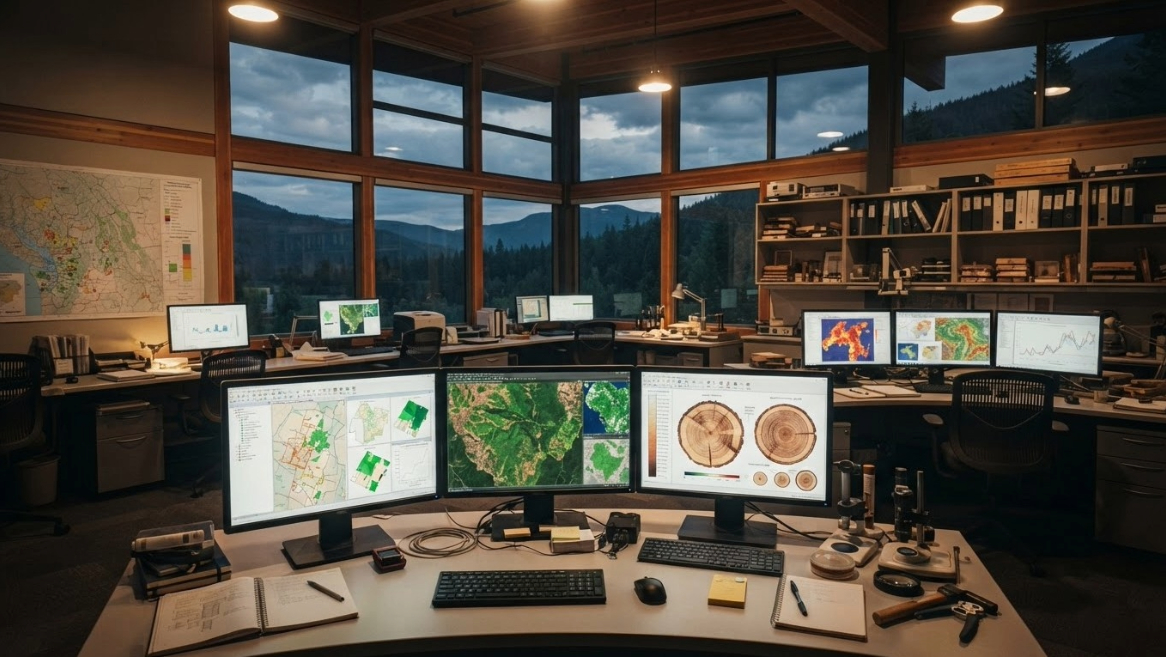
Foresters typically need a bachelor's degree in forestry, natural resources, or a related field such as agriculture or biology. Forestry programs include courses in biology, ecology, and forest measurement, and foresters typically have a background in GIS (mapping software), remote sensing, and computer modeling. The Society of American Foresters (SAF) accredits forestry degree programs, and some states require a forestry degree from an approved program, often SAF-accredited, to be licensed. About 15 states license or register foresters, and the rules vary, so a license is required in some states and optional in others. Foresters can also earn the optional SAF Certified Forester credential, which requires a forestry degree, at least five years of professional experience, and a passing exam score, and must be renewed every three years.
To Prepare...
Take biology, environmental science, and math classes, since forestry programs build on all three.
When choosing a college, look for a forestry program accredited by SAF, which lists accredited programs on its website, and take GIS or mapping courses if the school offers them.
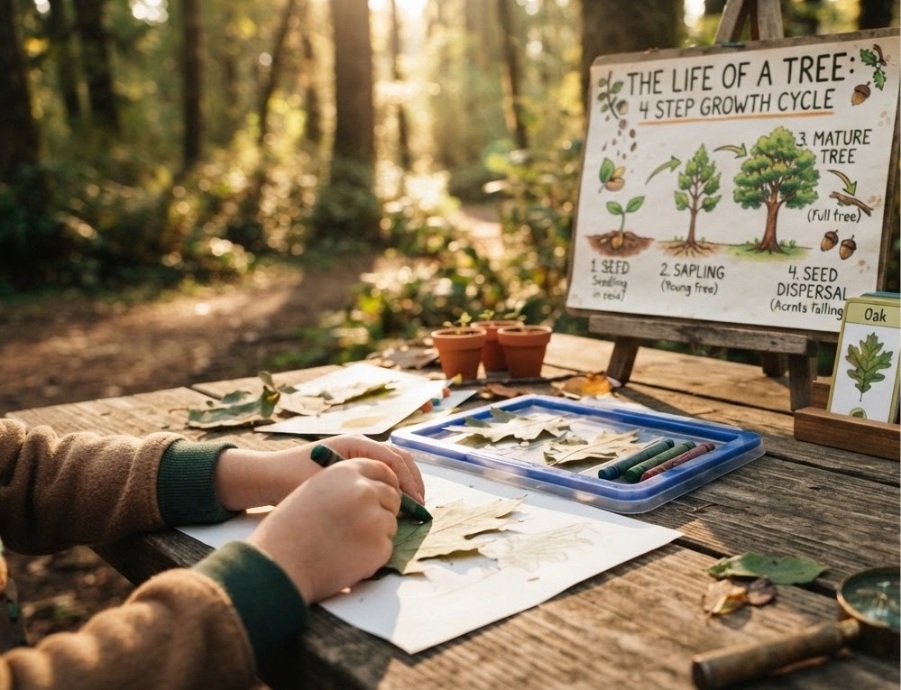
Join your school's FFA chapter, and its forestry team if it has one. Depending on your state, teams practice identifying trees, estimating timber with a Biltmore stick, and using a compass. If your school has no team, learning to identify the trees near your home with a field guide builds the same skill.