Photo: See page for author, Public domain, via Wikimedia Commons
Who He Was
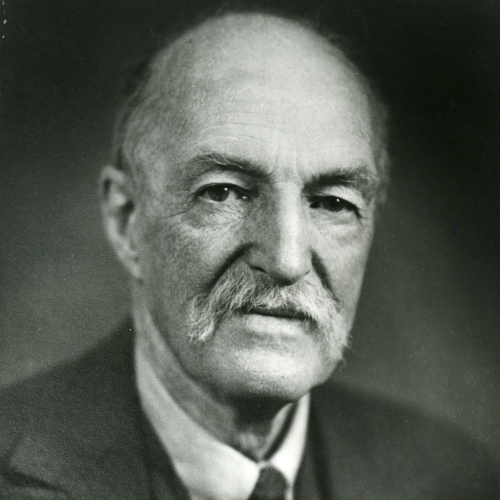
When Gifford Pinchot graduated from Yale in 1889 and said he wanted to be a forester, no American university offered a degree or even a course in forestry. So he went to France, studied at the national forestry school in Nancy, and came home to a country where, by his own account, not a single acre of government, state, or private timberland was under systematic forest management. He got his start in 1892 on the Biltmore Estate in North Carolina, doing the first systematic forestry work in the U.S. After leading the federal Division of Forestry from 1898, he became the first chief of the brand new U.S. Forest Service in 1905 under President Theodore Roosevelt, and over the next five years the number of national forests grew from 60 to 150. His family also paid to start the Yale Forest School in 1900, so America finally had a place to train foresters.
Why He Matters
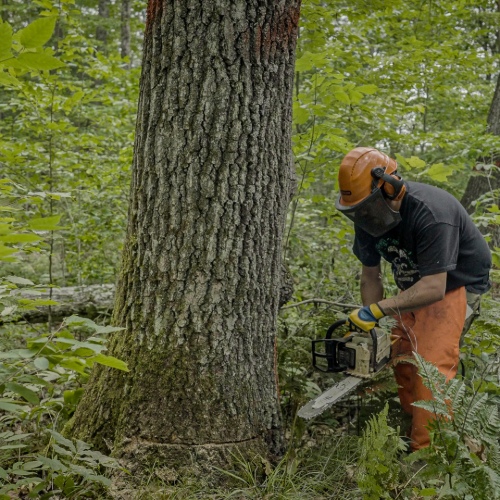
In Pinchot's day, the common word for America's forests was "inexhaustible," and many lumbermen treated cutting every tree in sight as normal. He argued that a forest could be harvested and renewed, like a crop, if someone planned for what grows back. At Biltmore, he put that idea to work, showing that careful harvesting could earn money while the forest kept growing. The Use Book, published in 1905, explained to Forest Service employees and the public how the national forests could be used. Every time a forester decides what to cut, what to leave, and what to plant, they are working in the profession Pinchot helped build in America.