
Did You Know?
A modern car contains roughly 30,000 individual parts, and mechanical engineers help design, test, and improve many of them.

What Mechanical Engineers Really Do
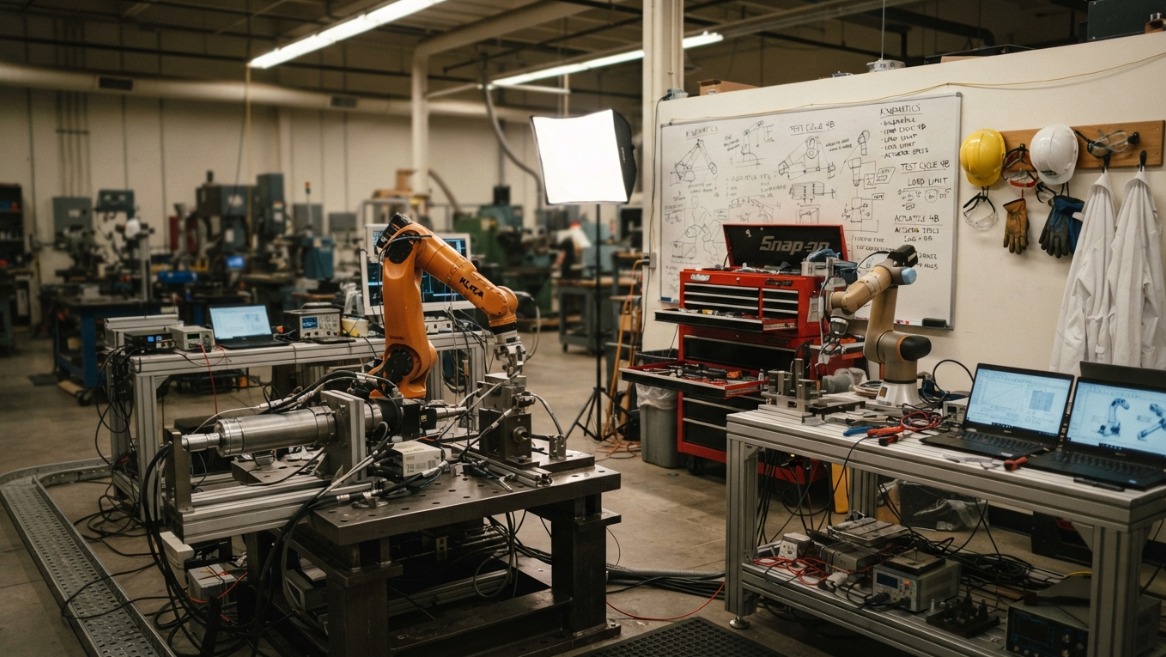
Have you ever wondered how a roller coaster loops upside down without anyone falling out, or how a robot arm can pick up a delicate egg without cracking it? A mechanical engineer is the person who solves puzzles like these. Mechanical engineers design, build, and test machines and moving parts- everything from bicycles and car engines to robots and rockets. They ask questions like "How can this move faster?" or "How can I make this stronger without making it heavier?" Then they sketch ideas, build models, and test them again and again until the machine works exactly the way it should.
Thinking like a mechanical engineer starts with noticing how things move. Why does a bicycle chain turn the wheels? How does a fan blow air across a room? Mechanical engineers love taking things apart, putting them back together, and figuring out what makes each part necessary. If you enjoy building with blocks or gears, testing how far your paper airplane can fly, or wondering what makes a toy car zoom across the floor, you are already thinking the way mechanical engineers think.
You Might Love This If...

Skills That Follow You Everywhere
Mechanical engineering builds skills that reach far beyond machines and blueprints. Every project asks engineers to think critically, solve unexpected problems, and get creative when the first idea does not work. These same skills help in school, in relationships, and in any career someone chooses.
Critical Thinking
Before building anything, mechanical engineers have to think through how a design will behave under real conditions, including heat, weight, motion, and wear over time. They compare different options, weigh trade-offs, and predict what could go wrong before it happens. This habit of thinking several steps ahead, rather than guessing, helps mechanical engineers avoid costly mistakes and helps them make sound decisions quickly when something unexpected comes up.
Creativity
There is rarely just one right way to design a machine, so mechanical engineers constantly imagine new possibilities. They sketch unusual ideas, combine parts in new ways, and are not afraid of a design that looks strange if it solves the problem. This kind of open-minded, inventive thinking helps engineers create solutions nobody has tried before, and it is a skill that fuels innovation in any field, from art to entrepreneurship.
Problem-Solving
Every mechanical design starts as a problem waiting to be solved. Why does a part keep breaking? How can an engine run smoother, or a robot arm move faster? Mechanical engineers learn to break big problems into smaller pieces, test possible solutions, and refine their ideas based on what actually happens when they build and test something. That same approach, breaking a problem down and testing solutions step by step, works whether the challenge is at school, on a team, or later on in any job.