Did You Know?
A modern car contains roughly 30,000 individual parts, and mechanical engineers help design, test, and improve many of them.
The Numbers Behind the Career
There were about 298,500 mechanical engineers in the U.S. in 2025.
About 17,800 openings for mechanical engineers are projected each year over the next decade.
The median annual salary for mechanical engineers was $104,110 in 2025.
Where This Career Is Headed
Mechanical engineering is being transformed by artificial intelligence, automation, and new manufacturing methods like 3D printing. AI-powered design software can now generate and test thousands of design options in the time it once took an engineer to sketch a few by hand, speeding up how quickly new products get built. At the same time, the growth of electric vehicles, renewable energy, and robotics is opening new specialties for engineers who understand batteries, motors, and automated systems. Over the next decade, mechanical engineers who combine traditional design skills with comfort using AI tools and sustainable materials will be well positioned for a wide range of opportunities.

Generative design software, powered by AI, lets engineers explore thousands of design options quickly, opening new roles for engineers who can guide and refine AI-generated designs.
The growth of electric vehicles and renewable energy systems is creating demand for mechanical engineers who understand batteries, motors, and thermal management.
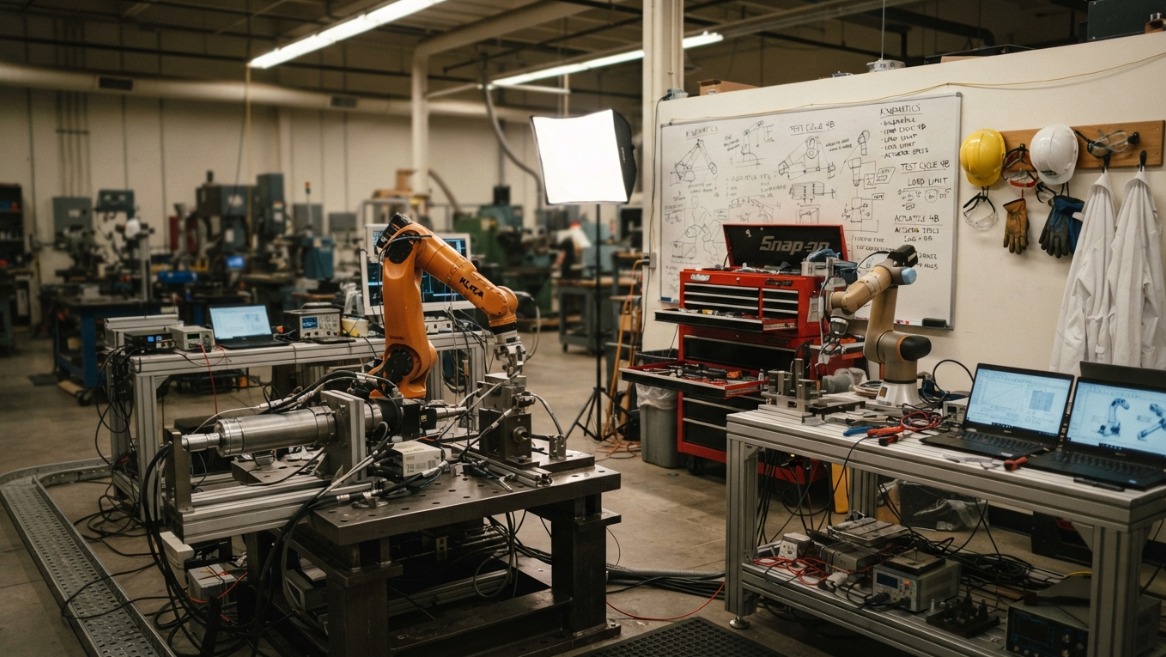
Advances in robotics and automation mean mechanical engineers are needed to design and integrate robots that work safely alongside people in factories, hospitals, and warehouses.

Education & Certification
Most mechanical engineering jobs require a bachelor's degree in mechanical engineering or a closely related field from a program accredited by ABET, which typically takes four years and includes coursework in physics, math, materials science, and computer-aided design. Many students gain hands-on experience through internships or co-op programs, working alongside practicing engineers before they graduate. A license is not required for every mechanical engineering job, but engineers who want to work directly with the public, such as certifying the safety of a building's systems, often pursue a Professional Engineer (PE) license, which requires passing exams and gaining several years of work experience. Optional certifications in specific software, like SolidWorks or AutoCAD, can also help students and early-career engineers stand out.
To Prepare:
Take math and science courses, especially physics and geometry, and join clubs like robotics or FIRST Robotics if your school offers them.
Try a free beginner Computer-Aided Design (CAD) program, such as Tinkercad or Fusion 360, to practice designing a simple object.
Look for engineering summer camps, Maker Faires, or local science museums with hands-on exhibits to build early experience.