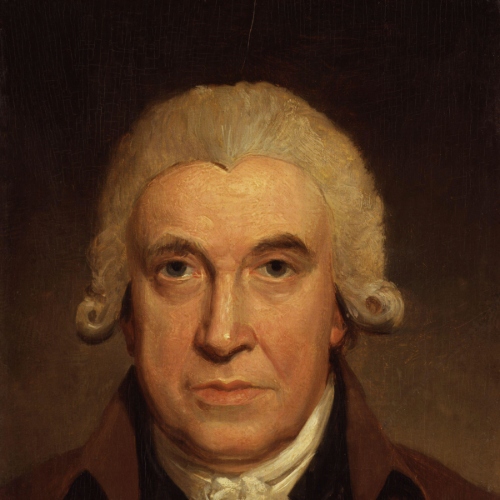
Photo: Henry Howard, Public domain, via Wikimedia Commons
Who He Was
James Watt was a Scottish inventor and mechanical engineer who lived in the 1700s. He did not invent the steam engine, but he redesigned it to be far more powerful and efficient, fixing a major flaw that wasted enormous amounts of energy. Watt spent years experimenting with pistons, valves, and cylinders until he found a design that worked reliably. His improved steam engine could pump water out of mines and power factory machinery, and later steam engines built on his ideas went on to run locomotives and ships.
Why He Matters
Watt's improved steam engine helped launch the Industrial Revolution, changing how goods were manufactured and transported around the world. Factories no longer needed to sit next to rivers for water power, so cities and industries could grow in new places. His work is still honored today: the unit used to measure power, the watt, is named after him. Watt's story shows how one engineer's persistence in solving a mechanical problem can reshape society for generations.