
Did You Know?
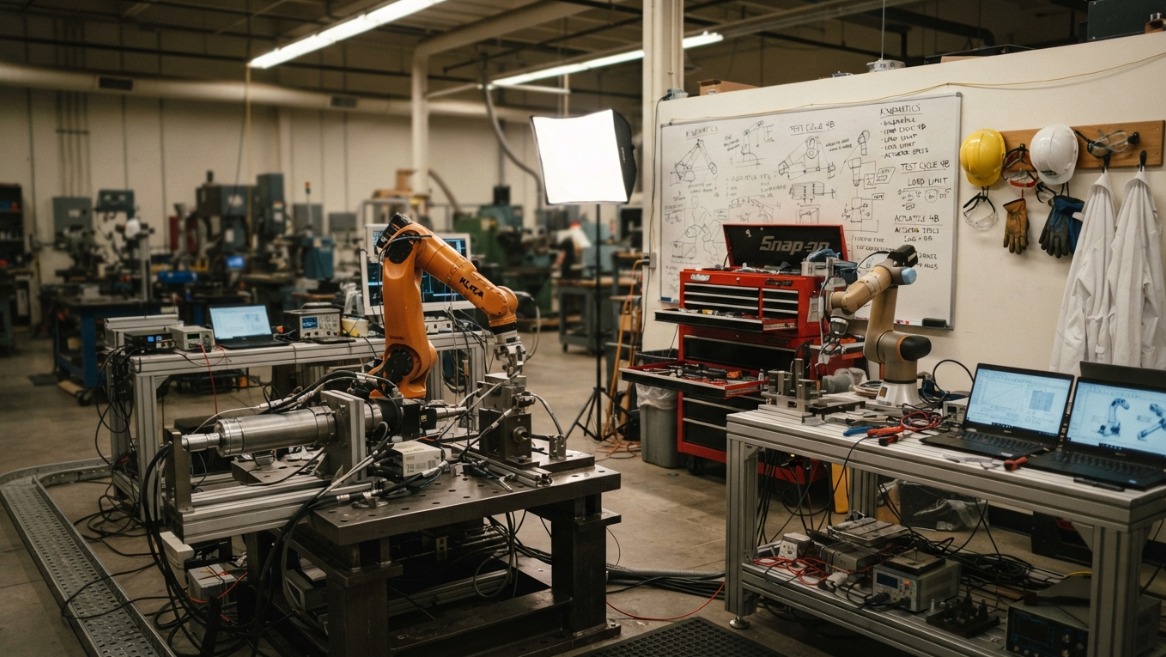
A modern car contains roughly 30,000 individual parts, and mechanical engineers help design, test, and improve many of them.
How to Get Started
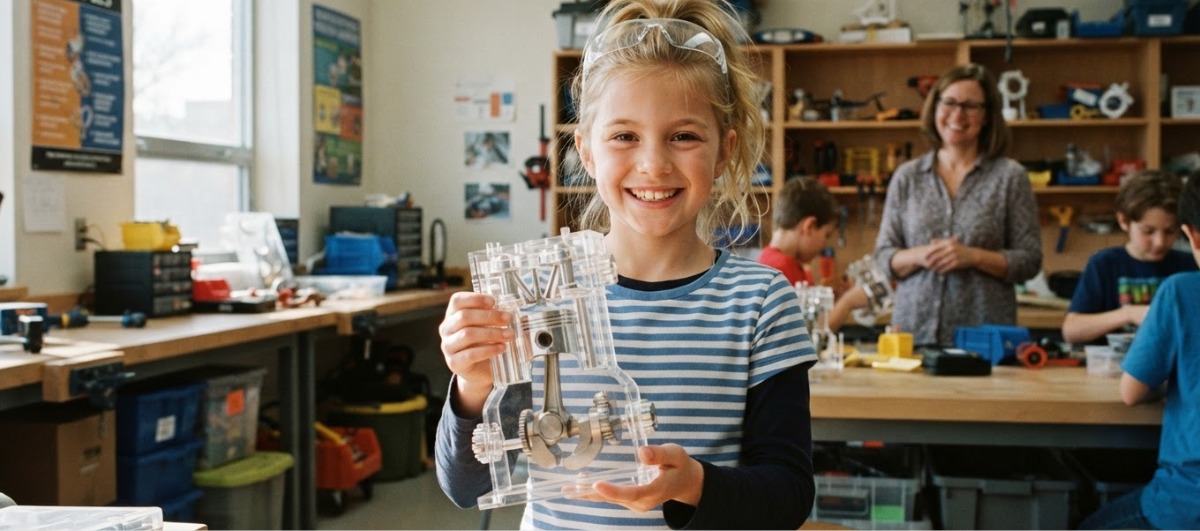
Getting started in mechanical engineering begins with curiosity about how things move and a willingness to build, break, and rebuild. Simple experiments with gears, ramps, and pulleys teach the same principles engineers use in advanced designs. The path from curious kid to professional engineer includes plenty of hands-on practice.
Explore the Basics
Learning about mechanical engineering can start with simple machines: levers, wheels, pulleys, and ramps. Building a tower out of blocks, testing whether a paper bridge can hold a toy car, or figuring out how a can opener works are all early steps into engineering thinking. Understanding that machines are made of parts working together to do a job is the first building block of mechanical thinking.
Try It Out
Build a simple machine at home using household items, like a lever made from a ruler and a pencil, or a pulley system using string and a spool. Try building a marble run out of cardboard tubes and testing different paths to see which one moves the marble fastest. Take apart an old, unused toy (with permission) to see the gears and parts inside. Draw a picture of your favorite invention and label how you think each part works.
Join the Community
Local libraries and science museums often have hands-on engineering exhibits or maker programs designed for kids. Many schools host STEM nights or science fairs where you can build and share simple machines. Ask a parent or teacher about local LEGO robotics clubs or after-school engineering programs for young builders.