
Did You Know?
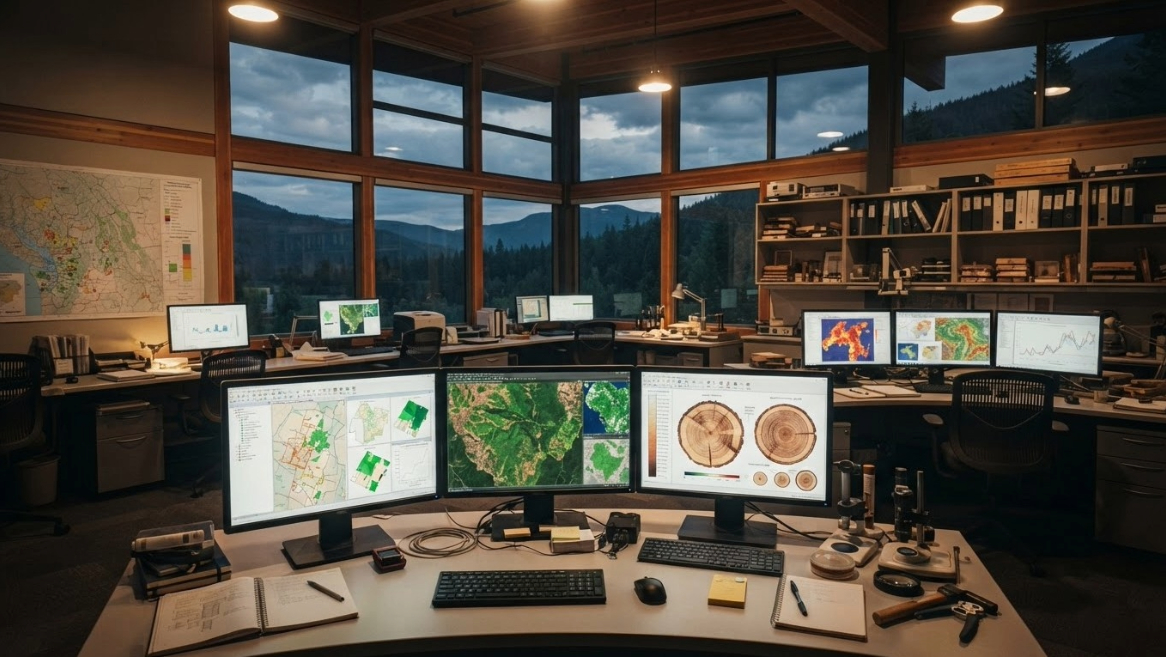
A bristlecone pine named Methuselah in California's Inyo National Forest was already more than 4,700 years old when scientists studied it in 1957. The Forest Service keeps its exact location a secret to protect it.
How to Get Started
Getting started in forestry means building the skills foresters use every day: noticing details, identifying trees, measuring and counting, and thinking about how a forest will change over many years. You can practice them anywhere there are trees, from a backyard to a city block to a state forest.
Explore the Basics
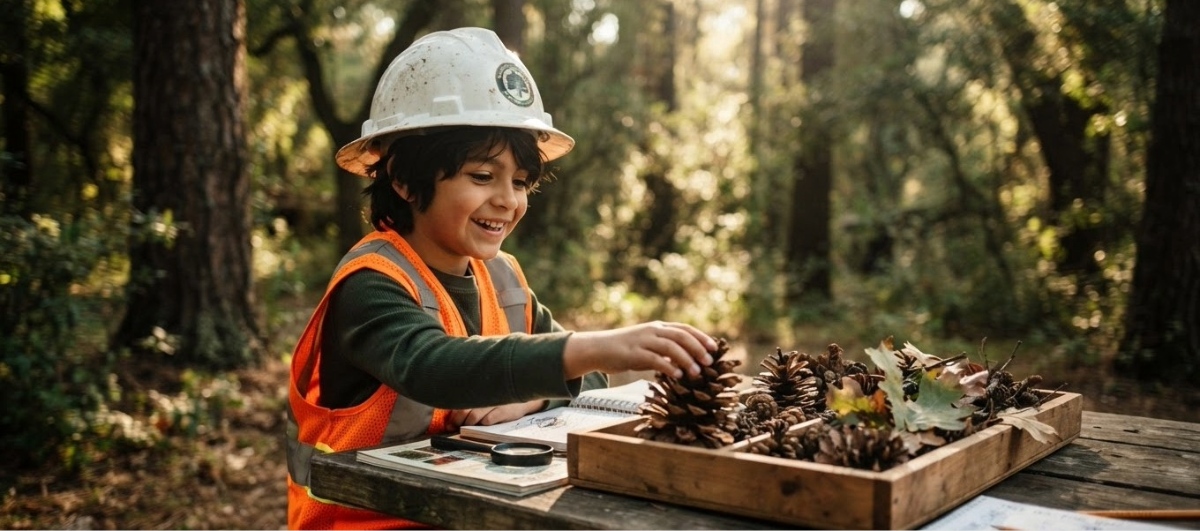
With a grown-up, gather a handful of fallen leaves, seeds, and nuts from your yard or a park where collecting is allowed, and sort them into piles by tree. Count how many kinds of trees you found and which pile is the biggest, then wash your hands, and never taste anything you find. Counting and sorting what grows on a piece of land is called taking inventory, and it is one of the first things a forester does on any forest.
Try It Out
Hold a sheet of paper against the bark of a tree and rub the side of a crayon across it until the pattern shows up. Make rubbings of three or four different trees and compare their ridges, scales, and furrows. In winter, when the leaves are gone, foresters use bark, along with twigs and buds, to tell trees apart.
Join the Community
Ask a grown-up to help you find a community tree planting day through your town's parks department or a local nonprofit, and check the age rules when you sign up. Plant a tree alongside your neighbors: dig the hole, set the tree in, and spread soil around the roots. A planted tree needs watering and checking for years, which is exactly how a forester thinks about a forest.