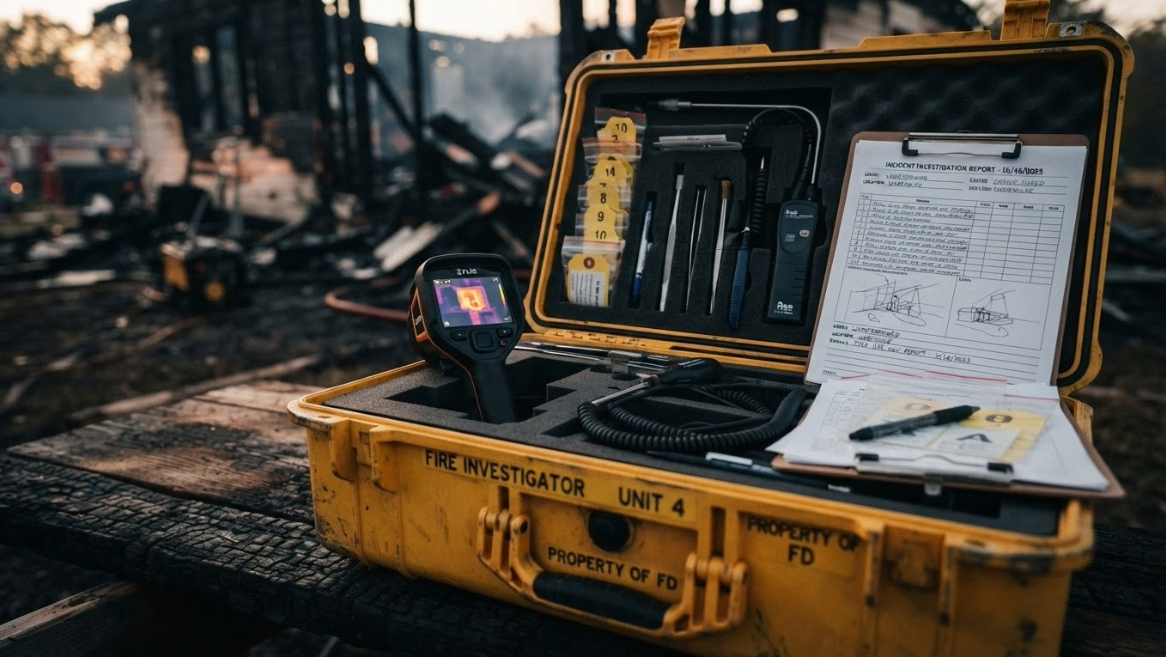
Did You Know?
A pile of rags soaked in wood stain or linseed oil can catch fire all by itself. As the oil reacts with oxygen in the air, it gives off heat, and in a tight pile that heat can build until the rags burst into flames.
The Numbers Behind the Career
There were about 14,700 fire inspector and investigator jobs in the U.S. in 2025.
About 1,900 job openings for fire inspectors, a group that includes fire investigators, are projected each year over the next decade.
The median annual salary for fire inspectors and investigators in the U.S. in 2025 was $75,920.
Where This Career Is Headed
Over the next decade, both what causes fires and how investigators study them are likely to change. Lithium-ion batteries, found in everything from phones and e-scooters to electric cars, are involved in a growing number of fires, and the National Fire Protection Association made lithium-ion battery safety the focus of Fire Prevention Week in 2026. Researchers have also built computer tools that sort the shapes of burn patterns in photos and place them on 3D scans of a scene. Some investigators now train in virtual reality fire scenes built from photos of real burned buildings.

Investigators who understand how lithium-ion batteries fail can help answer one of the field’s newest questions: whether a battery started a fire or was simply caught in it.
Computer tools that sort burn patterns in photos and 3D scans could help investigators compare scenes more consistently, as long as a trained person makes the final call.
Virtual reality scenes built from photos of real fires let new investigators practice examining a scene before they ever work a live one.
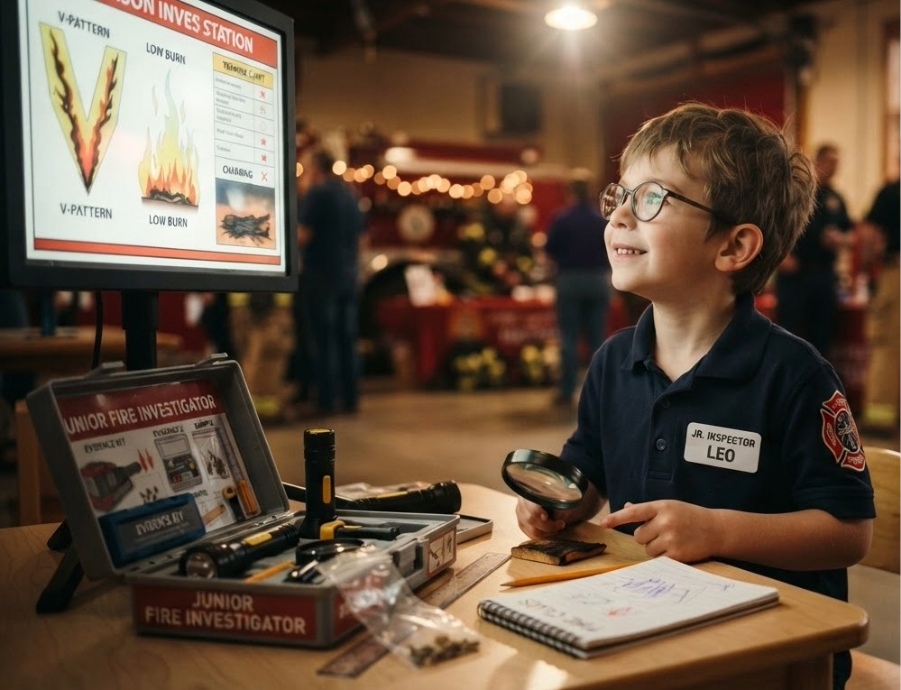
Education & Certification
Most fire investigators start with a high school diploma and several years of experience as a firefighter or in law enforcement, though employers may prefer a two- or four-year degree in fire science or criminal justice, which can sometimes stand in for part of that experience. New investigators usually complete several months of training at a fire or police academy, studying investigation methods, legal codes, courtroom procedures, and hazardous and explosive materials, and then learn on the scene alongside an experienced investigator. The National Fire Protection Association sets the field’s professional standards (NFPA 921 and NFPA 1033), and two certifications build on them: the Certified Fire and Explosion Investigator (CFEI) from the National Association of Fire Investigators and the Certified Fire Investigator (IAAI-CFI) from the International Association of Arson Investigators. Both require you to document your education, training, and experience and pass a written exam. Licensing and certification rules vary by state and locality, so check with your state licensing agency or local fire department.
To Prepare...
Take chemistry and physics to build a foundation in how fire, heat, and materials behave.
Try an electrical, building trades, or other hands-on career and technical class if your school offers one, because investigators need to understand how wiring and buildings are put together.
Look into fire science or criminal justice programs at a community college, since employers may prefer a two- or four-year degree in those fields.