
Did You Know?
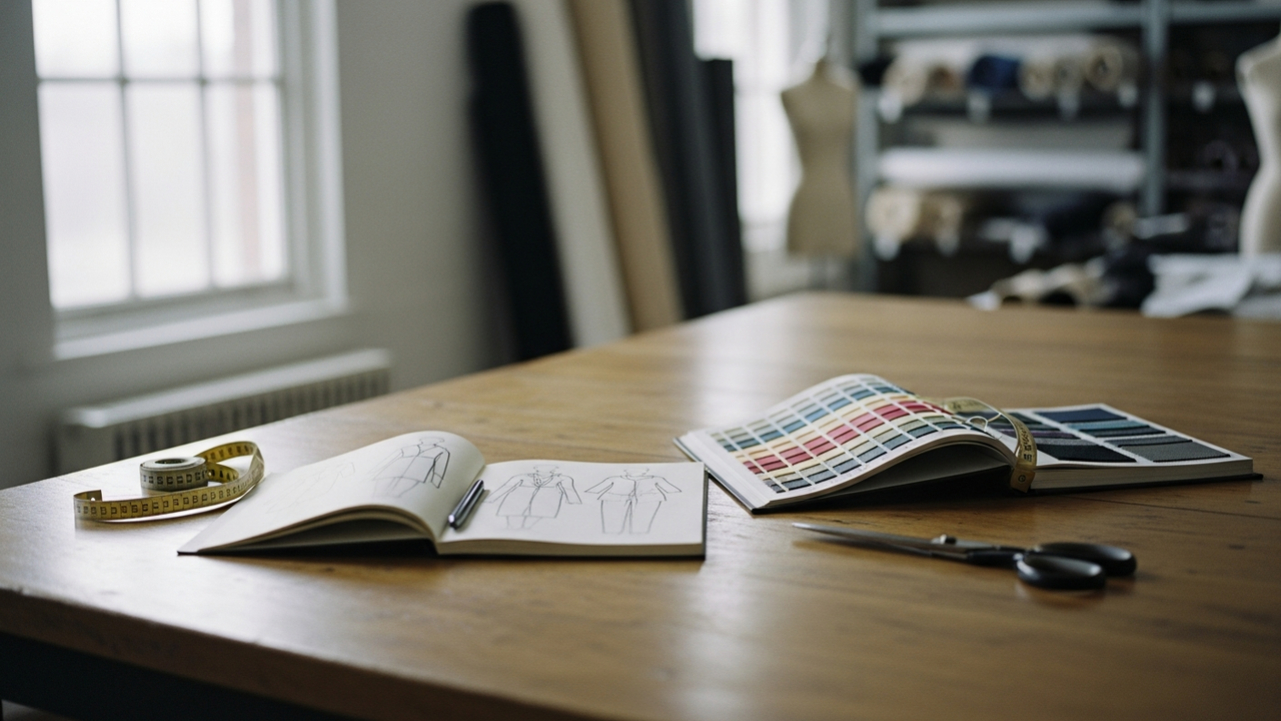
A single haute couture dress can take over 700 hours of hand-sewing and involve thousands of individually placed beads, sequins, or embroidery stitches.
What Fashion Designers Really Do
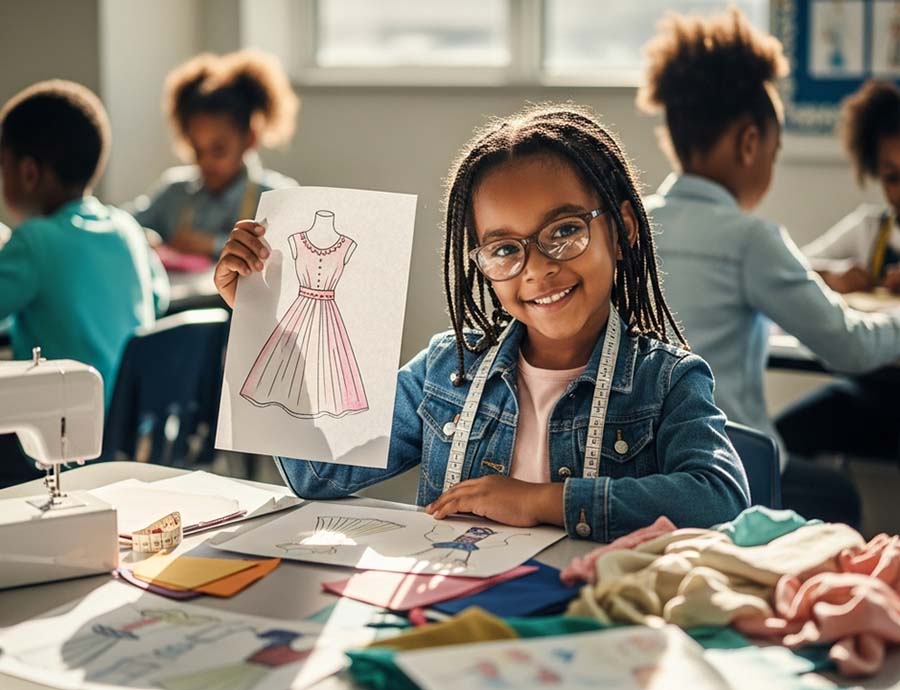
A fashion designer is a creative thinker who imagines and makes the clothes people wear every day. They use colors, shapes, and patterns to turn ideas into outfits, almost like artists who paint on fabric instead of canvas. Imagine someone looking at a plain T-shirt and dreaming up a version covered in cool swirls, bright stripes, or fun pockets. That's the kind of imagination fashion designers use.
Fashion designers also figure out how clothes should fit, feel, and move, like making sure a soccer jersey is stretchy enough to run in or that a winter coat is warm and comfy. They pay attention to what people need, the way detectives look for clues, such as noticing that kids want backpacks with more pockets or shoes that are easier to tie. If you enjoy drawing outfits, experimenting with colors and textures, or looking at clothes and thinking "I could make something like that," you might love being a fashion designer!
You Might Love This If...
Skills That Follow You Everywhere
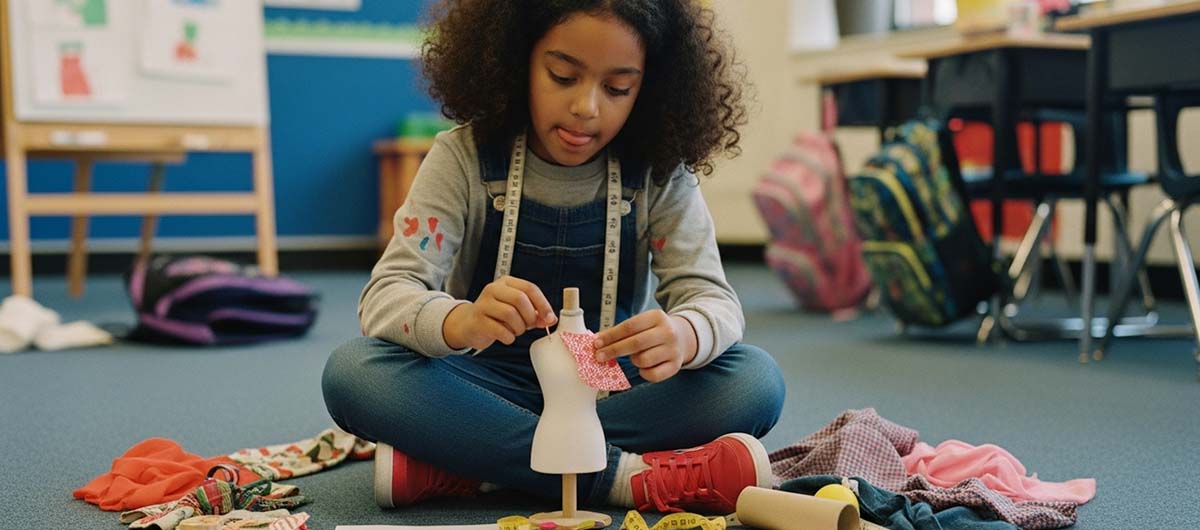
Learning fashion design develops incredible skills that go far beyond creating outfits. It trains your eye for detail, improves your ability to adapt and solve problems, and helps you express ideas confidently and creatively.
Creativity
A fashion designer uses creativity by developing original concepts for clothing, experimenting with unexpected color combinations, reimagining traditional garments, and finding fresh ways to express ideas through fabric, texture, and silhouette. Every collection starts as a blank page, and the designer's imagination is what fills it.
Teamwork
A fashion designer uses teamwork by collaborating with pattern makers, fabric suppliers, manufacturers, stylists, and marketing teams to bring a design from sketch to store. Designers must communicate their vision clearly, listen to technical feedback, and adapt their ideas so that the final product reflects both creative intent and practical reality.
Problem-Solving
A fashion designer uses problem-solving by figuring out how to make a garment that looks beautiful on paper actually work on a human body. When a fabric doesn't drape the way they expected, a pattern doesn't fit correctly, or a production budget forces a redesign, the designer has to find a solution that preserves the creative vision while meeting real-world constraints.
Explore more resources for a future Fashion Designer

Rad American Women A-Z: Rebels, Trailblazers, and Visionaries who Shaped Our History . . . and Our Future! (City Lights/Sister Spit)
Kate Schatz
Why We Picked It
Career Connection
Fashion designers like Valdes used clothing to define cultural moments, and this book shows kids that fashion has always been a tool for identity, empowerment, and social change.

Make It Real Fashion Design Sketchbook for Girls - Pastel Pop Kit with 105 Stickers, Stencils, Design Guide - Pastel & Rainbow-Themed Fashion, Creative Gift Kids Ages 6+, Develops Real-World Skills
Why We Picked It
Career Connection
Fashion designers create flats — technical sketches showing every design detail — for every garment they produce, and this kit introduces kids to that same careful, detail-oriented design planning.

Fancy Nancy: A Sparkling Adventure About Self-Expression, Family, and Being Fancy
Jane O’Connor
Why We Picked It
Career Connection
Fashion designers develop a personal aesthetic that defines their brand identity, and Nancy's fearless approach to style teaches kids that a strong creative point of view is every designer's foundation.