Industry Facts
About 2,300 fashion design job openings are projected annually over the next decade.
The 2024 median salary for fashion designers was $80,690.
According to the Bureau of Labor Statistics, there were about 25,700 jobs for fashion designers in the U.S. in 2024.
Future Trends
Fashion design is entering a period of transformation driven by digital technology, sustainability mandates, and shifting consumer expectations. Designers are increasingly using 3D modeling and AI tools to create virtual garments before producing physical samples, cutting waste and accelerating the design process. At the same time, growing pressure to reduce fashion's environmental footprint is pushing designers to rethink not just what they create but how it is made, what materials are used, and what happens to a garment at the end of its life. The designers entering this field over the next decade will need to combine creative vision with technological proficiency and a genuine understanding of sustainable design.
3D digital prototyping and AI-assisted design: Designers can now create photorealistic virtual garments, test fit on digital avatars, and iterate through dozens of variations without producing a single physical sample, reducing costs by up to 50 percent. Designers who develop fluency in 3D platforms and AI-powered tools for pattern making, fabric simulation, and trend forecasting will bring a technical edge the industry is actively seeking.
Circular and sustainable fashion design: The global resale market is projected to reach $350 billion by 2028, and consumers are increasingly choosing brands that prioritize durability, recyclability, and environmental responsibility. Designers who understand how to create for longevity, select low-impact materials, and build sustainability into every stage of the process will be positioned at the center of an industry-wide shift from disposable fashion to circular systems.
Digital and virtual fashion: Clothing designed exclusively for digital environments, from gaming avatars to social media to virtual fashion shows, is creating an entirely new category of design that requires no physical materials at all. Designers who can blend fashion sensibility with technical skill in 3D modeling and animation will find growing opportunities in a market that barely existed five years ago.
Explore more resources for a future Fashion Designer:
Education & Certification
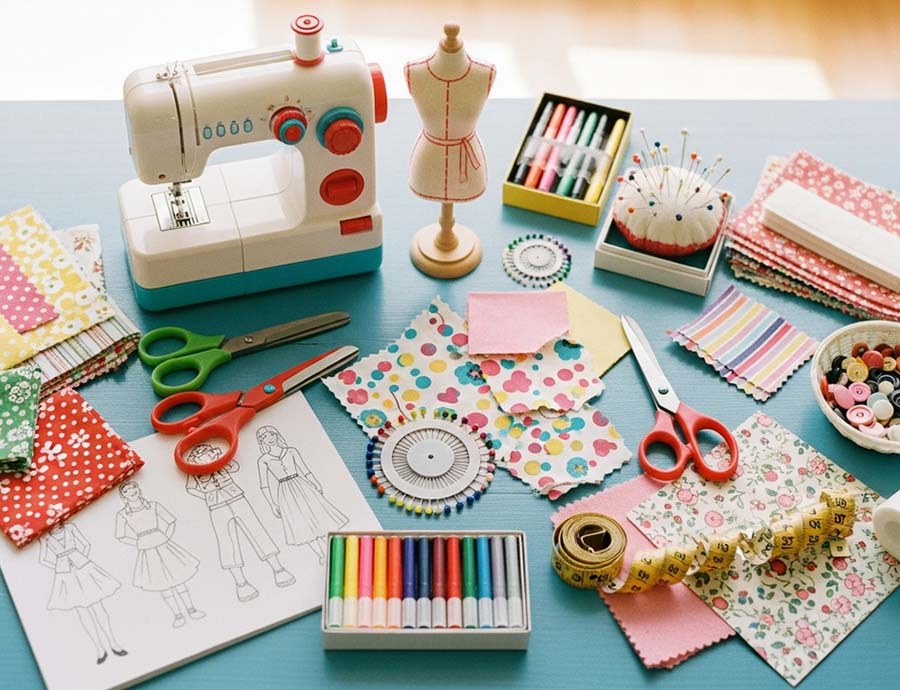
Most fashion designers study fashion design, textiles, or apparel-related fields in college. Education focuses on drawing, fabric science, pattern-making, garment construction, and digital design tools. High school classes in art, design, sewing, and basic business can help prepare for future studies.
Some designers earn certifications to highlight specialized skills in areas such as digital design software, pattern-making, sewing techniques, textile technology, or sustainable fashion. Continued learning is important as trends and technology change.
To prepare…
Take art, design, or technology classes to build skills in drawing, creativity, and visual thinking that are important in fashion design.
Participate in school activities such as theater costume design, art clubs, or creative projects to gain hands-on experience working with materials, ideas, and working in teams.