

Did You Know?
Adults learn very differently from children, and corporate trainers are specialists in adult learning theory, a field called andragogy, which focuses on helping people who already have real-world experience connect new information to what they already know.
The Numbers Behind the Career
The 2024 median annual salary for training and development specialist was $65,850.
About 43,900 openings are expected annually through 2034.
About 452,300 training and development specialist are active across the U.S.
Where This Career Is Headed
Over the next decade, corporate training will shift significantly as organizations move away from one-time classroom events toward continuous learning ecosystems that follow employees throughout their careers. The rise of remote and hybrid work has already accelerated the adoption of digital learning tools, and the most in-demand trainers will be those who can design effective learning experiences for audiences they may never meet in person. At the same time, the pace of change in most industries means that the shelf life of job-specific knowledge is shrinking, making ongoing learning and development more strategically important to organizations than it has ever been. Corporate trainers who understand both the science of how adults learn and the business context in which that learning has to produce results will be the ones most valued in this environment.

As organizations build out permanent hybrid and remote work infrastructures, demand is growing for trainers who can design learning experiences that are equally effective whether an employee is in a conference room, at home, or in a warehouse, a design challenge that requires fundamentally different skills than traditional in-person facilitation.
Organizations are investing more heavily in leadership development, diversity and inclusion training, and change management programs as the pace of organizational transformation accelerates, expanding the scope and strategic importance of the training function.
The growth of the gig economy and contract workforce is creating demand for scalable onboarding and skills training programs that can quickly and consistently bring non-traditional workers up to speed across large, distributed organizations.

Education & Certification
Corporate trainers come to the field through a wide range of academic backgrounds, and there is no single required degree. Many hold bachelor's degrees in fields like education, communications, psychology, organizational behavior, or human resources, and some enter from entirely different professional backgrounds and transition into training after developing deep expertise in a specific industry. A master's degree in instructional design, organizational development, or adult education can open doors to more senior roles, and professional certifications like the ATD Certified Professional in Talent Development credential signal a high level of expertise to employers. Regardless of the path, the most effective corporate trainers combine a strong understanding of how adults learn with the ability to connect that learning to real business outcomes.
To Prepare...
Courses like speech, debate, and English build the communication foundation that corporate training runs on -- the ability to explain ideas clearly and keep an audience engaged is central to everything in this career.
Courses in psychology or sociology, if your school offers them, give you a head start on understanding how people think, learn, and change behavior, which is the academic core of what corporate trainers draw on every day.
Courses in business, marketing, or technology broaden your understanding of how organizations function, and corporate trainers who can connect learning to real workplace contexts are significantly more effective than those who cannot.
Spotlight: Explore the Life of a Corporate Trainer
ATD: The Association for Talent Development
Learn More
Hamburger University
Learn More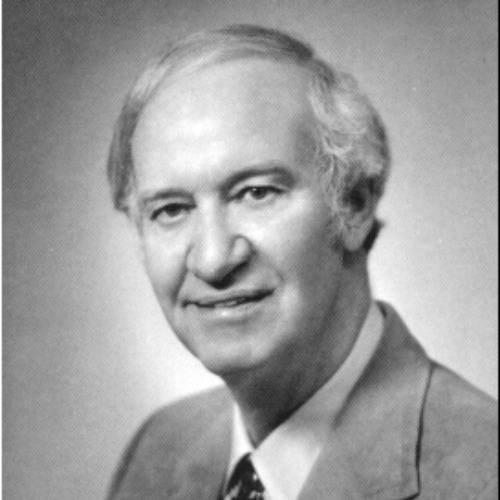
Malcolm Knowles
Learn MoreExplore more resources for a future Corporate Trainer
The Adult Learner
Why We Picked It
Career Connection
Corporate trainers design and deliver learning experiences for adult professionals, and understanding andragogy — the principle that adults learn best through self-direction, real experience, and problem-centered challenges — is the foundational framework that separates trainers who drive genuine results from those who simply deliver content.

The Modern Practice of Adult Education: From Pedagogy to Andragogy
Knowles, Malcolm Shepherd
Why We Picked It
Career Connection
Corporate trainers design, administer, and evaluate the learning programs that this book maps systematically from needs assessment through program design to outcome evaluation, and Knowles's methodology for helping adults learn through self-direction and real-world problems is the professional framework that effective trainers build their practice on.