

Did You Know?
A study of nearly 20,000 people in England found that spending at least two hours a week in nature was linked to better health and wellbeing. It didn’t matter whether those two hours came all at once or in several short visits.

What Mental Health Counselors Really Do
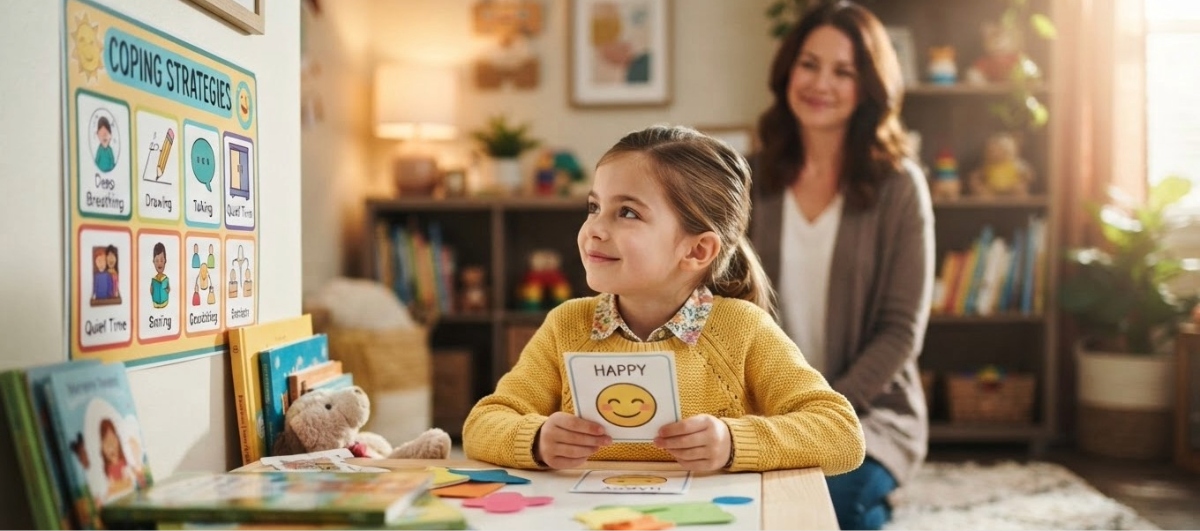
Have you ever helped a friend who was feeling sad, or listened carefully when someone needed to talk about a hard day? That is the heart of what mental health counselors do. They are trained professionals who help people understand their feelings, work through difficult experiences, and learn healthy ways to handle life's challenges. Counselors work with children, teenagers, adults, and families in places like schools, hospitals, community centers, and private offices. Their goal is to create a safe, caring space where people feel comfortable sharing what is on their mind.
Thinking like a mental health counselor starts with caring about how others feel. It means being a good listener, paying attention to someone's words and body language, and asking thoughtful questions instead of jumping in with advice. If you notice when a friend is having a rough day, try to make others feel included, or wonder why people act the way they do, you are already building the skills counselors use to help others.
You Might Love This If...
Skills That Follow You Everywhere
Working as a mental health counselor builds skills that strengthen every relationship and every area of life. Counselors learn to communicate with care and clarity, understand how people think and feel, and handle difficult conversations with compassion. These capabilities matter far beyond the counseling room.
Adaptability
No two clients are the same, and no single approach works for everyone. Mental health counselors adjust their strategies based on each person's needs, background, and progress. A technique that works well with one client may fall flat with another, so the counselor must think creatively and try a new approach. This flexibility and willingness to meet people where they are is a powerful life skill that helps anyone handle change and complex relationships.
Communication
Mental health counselors must express themselves clearly and listen closely to everything a client shares. They learn to pick up on tone, body language, and the things people leave unsaid. Whether they are helping a client talk through a painful memory, explaining a treatment plan to a family, or consulting with other healthcare providers, counselors practice the kind of thoughtful communication that builds trust and prevents misunderstandings.
Empathy
Empathy is the ability to understand how someone else feels and to show them that you care. Counselors practice it in every session, setting aside their own opinions to see the world through each client's eyes. That understanding helps people feel safe enough to open up and make changes in their lives. Empathy is a skill anyone can build, and it strengthens friendships, families, classrooms, and workplaces.