
Did You Know?
A study of nearly 20,000 people in England found that spending at least two hours a week in nature was linked to better health and wellbeing. It didn’t matter whether those two hours came all at once or in several short visits.
The Numbers Behind the Career
The median salary for substance abuse, behavioral disorder, and mental health counselors in the U.S. as of 2025 was $59,350.
There were about 533,400 substance abuse, behavioral disorder, and mental health counselors in the U.S. in 2025.
About 50,500 substance abuse, behavioral disorder, and mental health counselor job openings are projected each year over the next decade.
Where This Career Is Headed
Mental health counseling is growing quickly, driven by greater public awareness of mental health, expanded insurance coverage, and a shortage of trained professionals in many communities. As of December 2025, about 137 million people, roughly 40 percent of the US population, lived in an area with a shortage of mental health professionals. In 2024, Medicare began covering services from licensed mental health counselors for the first time, opening the door for counselors to serve millions of older adults. Telehealth has changed how counselors deliver care, making it easier for people in rural or underserved areas to get help. AI tools are starting to help with tasks like paperwork and tracking client progress, though the human relationship at the center of counseling remains essential. Growing recognition that mental health matters just as much as physical health is also reducing stigma and increasing demand in schools, workplaces, military communities, and community health centers.

Telehealth is expanding access to counseling, allowing counselors to reach clients in rural areas and people who face barriers to in-person care.
School-based mental health programs, workplace wellness programs, and clinics that combine physical and mental health care are creating new places for counselors to work.
Specialties such as trauma-informed care, grief counseling, substance use treatment, and culturally responsive counseling offer ways for counselors to focus their work on the needs they care about most.

Education & Certification
Mental health counselors typically need a master's degree in clinical mental health counseling or a closely related field. Graduate programs include a supervised internship where students gain hands-on experience working with clients under the guidance of a licensed professional. Programs accredited by the Council for Accreditation of Counseling and Related Educational Programs (CACREP) meet nationally recognized standards, and CACREP-accredited clinical mental health counseling programs require at least 60 semester credit hours. Undergraduate studies in psychology, sociology, social work, or human development provide a strong foundation for graduate school.
All states require mental health counselors to be licensed, though the details vary. After earning a master's degree, counselors usually spend about two years working under the supervision of a licensed counselor, completing the number of supervised hours their state requires, and they must pass a national exam such as the National Counselor Examination (NCE) or the National Clinical Mental Health Counseling Examination (NCMHCE). Common license titles include Licensed Professional Counselor (LPC), Licensed Mental Health Counselor (LMHC), and Licensed Clinical Professional Counselor (LCPC). Additional training or certification in areas like trauma or addiction can help counselors specialize.
To Prepare...
Take classes in psychology, sociology, health, and English to build an understanding of human behavior and strong writing and communication skills.
Get involved in peer mediation, mentoring, or community service programs to build your listening and people skills.
Research undergraduate programs in psychology, human services, or social work, and learn which graduate counseling programs near you are CACREP-accredited.
Spotlight: Explore the Life of a Mental Health Counselor
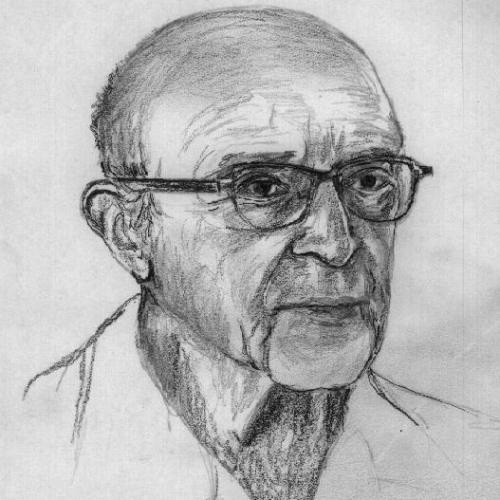
Carl Rogers
Learn More
Nedra Glover Tawwab
Learn More