

Did You Know?
Ole Kirk Christiansen, a Danish carpenter, lost his job during the Great Depression and began making wooden toys in his small workshop. In 1934, he named his company LEGO, from the Danish words “Leg godt,” meaning “play well.” Today, LEGO is one of the world’s largest toy companies, and more than 600 billion LEGO bricks have been manufactured. It all started with a carpenter and a block of wood.
The Numbers Behind the Career
There were about 959,000 carpenters in the U.S. in 2024.
About 74,100 openings for carpenters are projected each year over the next decade.
The median annual salary in the U.S. for carpenters as of 2024 was $59,310.
Where This Career Is Headed
Over the next decade, carpentry will continue to evolve as digital tools, sustainable building practices, and modular construction methods reshape the trade. Carpenters who combine traditional craft skills with expertise in emerging technologies will be positioned to lead an industry that remains essential to every community and is increasingly sophisticated in its methods.
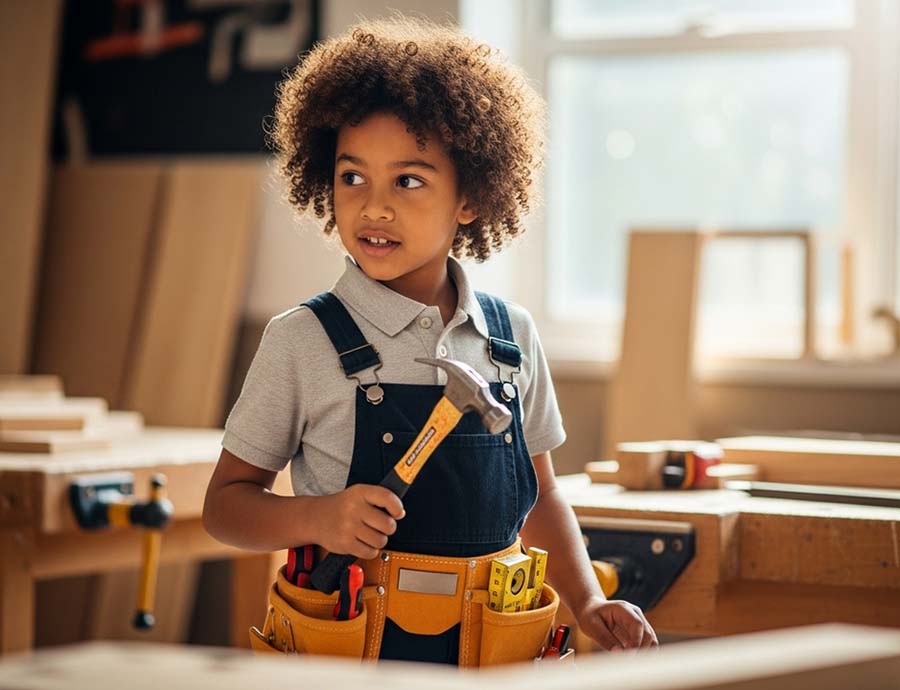
Digital tools and precision technology: CNC machines, robotic total stations, laser-guided measuring tools, and Building Information Modeling (BIM) software are transforming how carpenters plan and execute projects. Carpenters skilled in these technologies can work faster, reduce waste, and take on more complex designs.
Sustainable and green building: Energy-efficient framing techniques, cross-laminated timber (CLT), reclaimed wood construction, and net-zero building standards are expanding the carpenter’s role. Green building certifications like LEED are increasingly valuable as environmental regulations and consumer demand grow.
Modular and prefabricated construction: Factory-built wall panels, roof trusses, and entire modular units are assembled off-site and transported for installation. Carpenters who understand both shop fabrication and field assembly are in growing demand as this sector expands.

Education & Certification
Most carpenters enter the trade through one of two primary pathways. The most common route is a registered apprenticeship, a three- to four-year program that combines approximately 2,000 hours of paid, on-the-job training each year with classroom instruction. During this time, apprentices learn blueprint reading, building codes, mathematics, framing, finishing, safety practices, and the use of both hand and power tools. Many apprenticeship programs also partner with community colleges, allowing apprentices to earn college credits or even an associate degree.
The second pathway is through vocational or technical schools, where trade schools and community colleges offer carpentry certificates and associate degree programs that teach foundational skills before entering the workforce or beginning an apprenticeship. These programs typically cover safety, tool use, framing, finishing, and blueprint reading.
To Prepare…
Take high school courses in math (especially geometry and algebra), physics, shop/industrial arts, and drafting to build foundational skills for reading blueprints and calculating measurements.
Look for pre-apprenticeship programs, SkillsUSA chapters, or introductory carpentry courses at local community colleges and trade schools.
After completing an apprenticeship, carpenters work as journeymen. With additional experience, many go on to become foremen, superintendents, project managers, or start their own contracting businesses.
Spotlight: Explore the Life of a Carpenter



Explore more resources for a future Carpenter

Ole Kirk Kristiansen: Founder of LEGO. Biographies for Kids (Founders for Kids)
J., Jan
Why We Picked It
Career Connection
Carpenters know that quality in every joint and measurement is what makes something last, and Ole Kirk's insistence on the finest craftsmanship, even when it cost him money, is the same pride in the work that every skilled carpenter carries.

KIZONLY Kids Tools Toy Sets for Aged 3 4 5 6 7 8, 2 in 1 Workbench Toys for Toddlers 3-5, Pretend Play Toolbox, Construction Mechanic Set with Sound, Educational Birthday Gift for Boys Girls Ages 3-8
Why We Picked It
Career Connection
Carpenters assemble structures piece by piece using hammers, screws, and hand tools, and toddler play that mirrors those actions builds an early familiarity with the physical vocabulary of the trade.
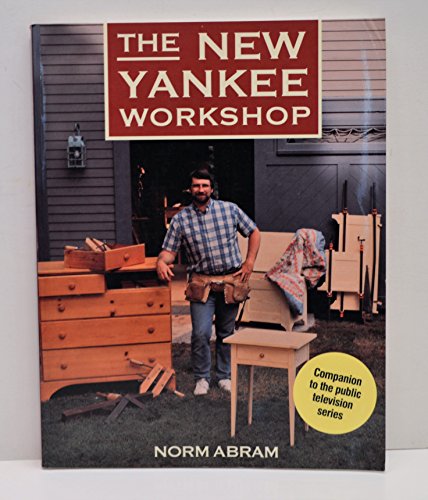
The New Yankee Workshop
Norm Abram
Why We Picked It
Career Connection
A professional carpenter builds a repertoire of skills steadily over time, and the project-by-project progression here mirrors exactly that development, each build adding technique and confidence to the last.