
Did You Know?
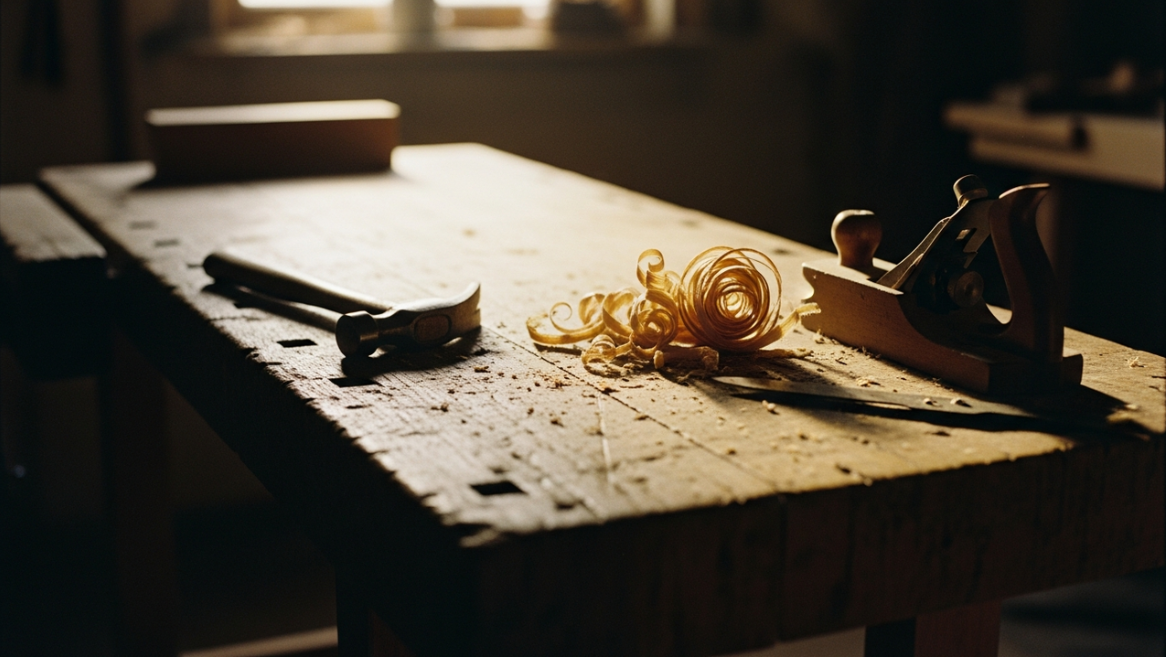
Ole Kirk Christiansen, a Danish carpenter, lost his job during the Great Depression and began making wooden toys in his small workshop. In 1934, he named his company LEGO, from the Danish words “Leg godt,” meaning “play well.” Today, LEGO is one of the world’s largest toy companies, and more than 600 billion LEGO bricks have been manufactured. It all started with a carpenter and a block of wood.
How to Get Started
Getting started toward a career as a carpenter begins with building things with your hands, learning how to measure and cut precisely, and developing the spatial reasoning and problem-solving skills that carpenters rely on every day.
Explore the Basics
With a parent, walk through your house and look at how it is built. Find a doorframe and examine how the pieces of wood fit together at the corners. Look at the baseboards along the floor and the trim around windows. Ask a parent to help you identify parts of the house that were built by a carpenter, such as the walls, stairs, cabinets, and closet shelves. Then go outside and look at the overall structure. Try to spot the roof framing, the siding, and the deck or porch if your home has one. Afterward, draw a picture of your house and label as many parts as you can that a carpenter helped build.
Try It Out
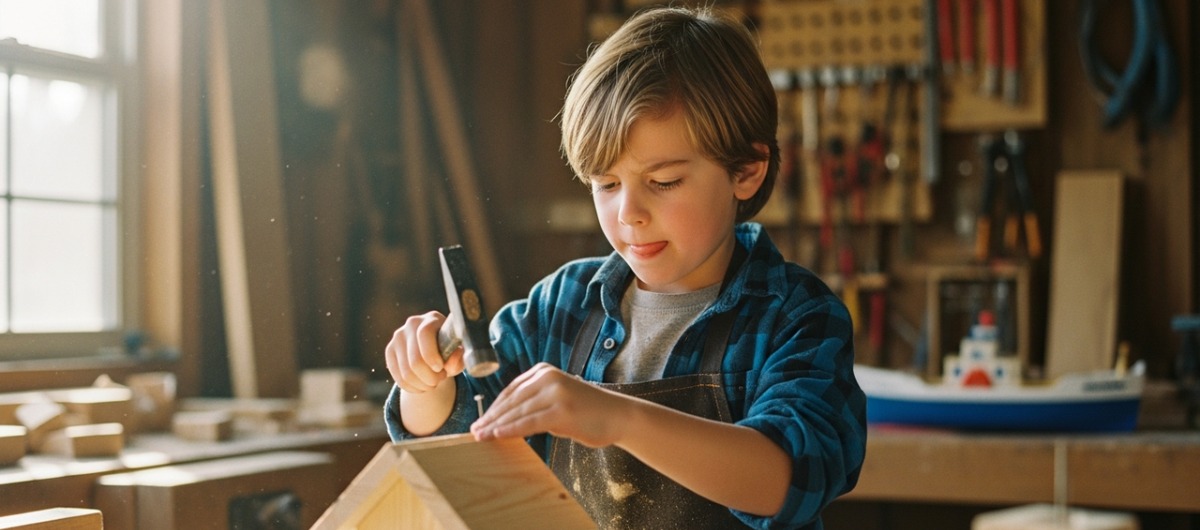
Build a simple birdhouse or toolbox with a parent using basic materials from a hardware store. You will need a few pieces of pre-cut pine boards (most hardware stores sell small project boards for a few dollars), wood glue, a handful of finish nails, sandpaper, and a hammer. With a parent’s help, measure and mark cut lines using a ruler and pencil, then sand the edges smooth. Assemble the pieces using glue and nails, following a simple plan you find online or sketch together. This project teaches measuring, cutting, and joining, the same fundamental skills every carpenter uses on every job.
Join the Community
Check if your local hardware store (such as Home Depot, Lowe’s, or even Michael’s) offers free kids’ workshops where children build small wooden projects like birdhouses, toolboxes, or race cars.
How to Become a Carpenter
Explore more resources for a future Carpenter

Woodworking Basics: Mastering the Essentials of Craftsmanship
Korn, Peter
Why We Picked It
Career Connection
Carpenters depend on correct technique from the very start, how they hold a tool, set a blade, and cut a joint, and learning those fundamentals precisely is what separates work that holds together from work that does not.

Measure Twice, Cut Once: Lessons from a Master Carpenter
Abram, Norm
Why We Picked It
Career Connection
Carpenters live by the principle that precision before the cut prevents waste and mistakes, and Abram's hard-won lessons deliver exactly the experience-distilled wisdom that takes years to earn on the job.
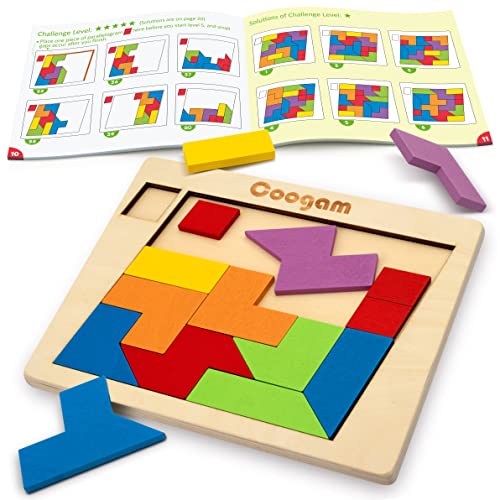
Coogam Wooden Puzzle Blocks Geometric Tangram Brain Teasers Jigsaw 3D Logic IQ Game Colorful Shape Pattern Montessori STEM Educational Toys Gift 60 Challenges for All Age
Why We Picked It
Career Connection
Carpenters read plans and visualize how pieces fit together in three dimensions before ever picking up a saw, and spatial puzzles like this one build exactly that mental skill, seeing how shapes relate and where each piece belongs.