
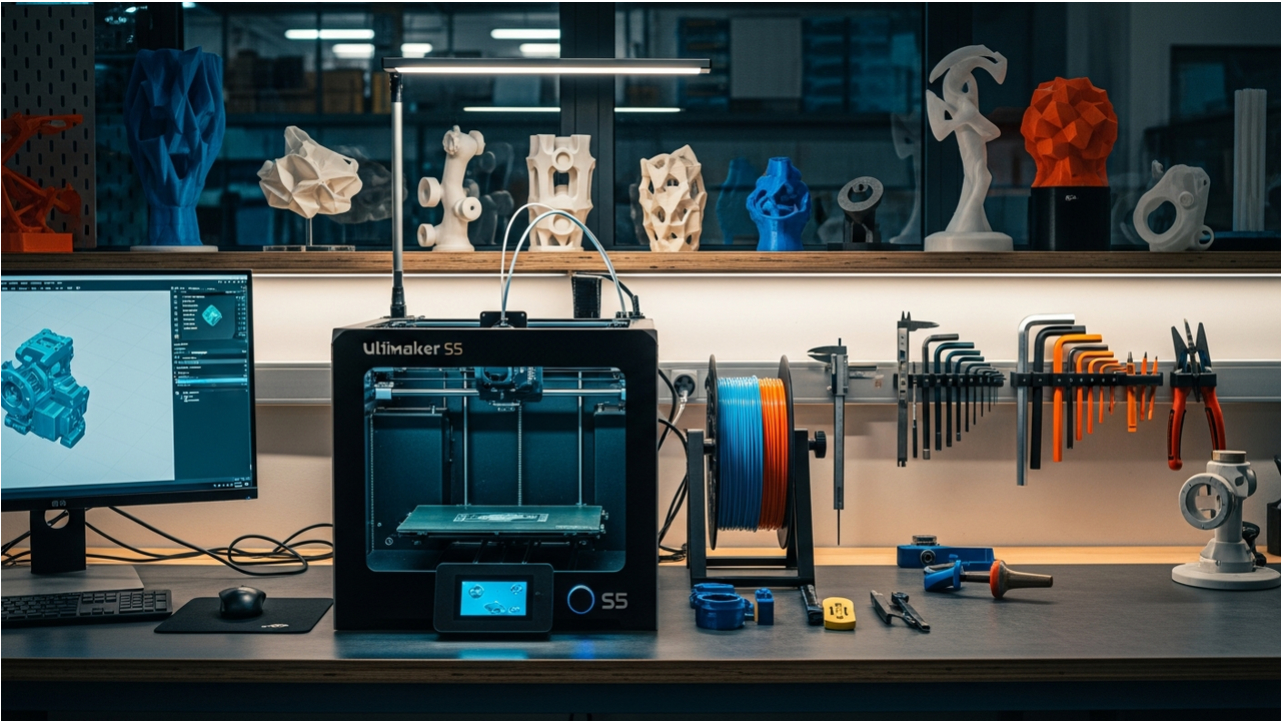
Did You Know?
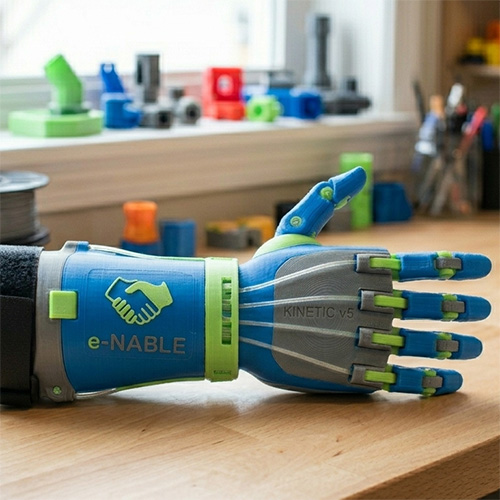
3D printing has made it possible to produce custom prosthetic limbs for children for as little as $50, compared to traditional prosthetics that can cost tens of thousands of dollars and need to be replaced every few years as the child grows.
The Numbers Behind the Career
Although not presently tracked by the Bureau of Labor Statistics, industry analysis estimates approximately 15,000 people work as 3D printing technicians in the U.S.
The estimated median salary for 3D printing technicians as of 2025 was $50,000. However, highly skilled individuals can earn significantly more.
Industry analyst estimate the 3D printing technician field to expand by 10% each year for the next 10 years.
Where This Career Is Headed
Additive manufacturing is moving rapidly from a prototyping tool into a full-scale production technology, and that shift is fundamentally changing what 3D printing technicians do and where they work. Industries that once used 3D printing only to build mockups and test pieces are increasingly using it to manufacture final production parts, from aerospace components and medical implants to consumer products and architectural elements. At the same time, the materials available to technicians are expanding dramatically, with metal, ceramic, biological, and composite printing all maturing into viable industrial processes. The technician of the next decade will need to be as comfortable with quality certification and production documentation as they are with the machines themselves.

As bioprinting technology matures toward clinical use, technicians who develop expertise in printing with living cells and biocompatible materials will be positioned at the frontier of one of the most consequential medical advances of the coming decade.
The emergence of 4D printing, where printed objects are designed to change shape or properties in response to heat, moisture, or other stimuli, will create demand for technicians who understand not just how to build static objects but how to build objects that change over time.
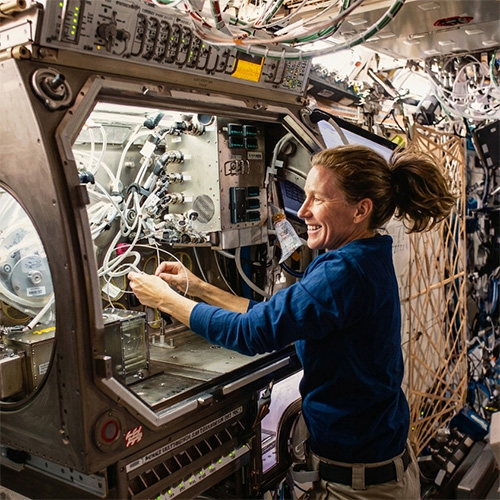
As space exploration expands, the ability to manufacture components and structures in orbit or on other planets using locally available materials will create an entirely new category of additive manufacturing roles that do not yet exist.
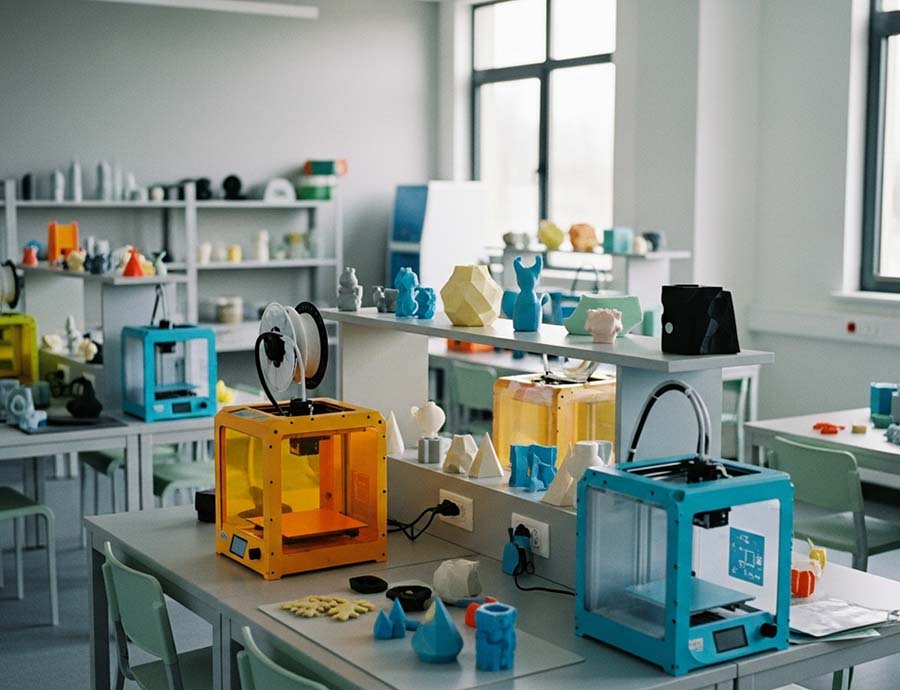
Education & Certification
Most 3D printing technicians enter the field through a two-year associate degree or certificate program in additive manufacturing, manufacturing technology, or mechanical engineering technology at a community college or technical school. These programs provide hands-on training in materials science, CAD software, machine operation, and quality control, and many include direct pathways to industry certifications that employers in aerospace, medical, and industrial manufacturing seek. Some technicians come from adjacent fields, such as traditional machining, industrial design, or engineering, and learn the specifics of additive manufacturing on the job or through targeted continuing education. This route is increasingly common as the technology has spread across industries. For those who want to move into senior technical, research, or management roles, bachelor's degrees in manufacturing engineering technology or mechanical engineering with an additive manufacturing concentration are available at some universities. However, a four-year degree is not required to build a strong, well-compensated career as a technician.
Professional certification is not yet universally required, but it is growing in importance as additive manufacturing moves into regulated industries. The Society of Manufacturing Engineers offers the Additive Manufacturing Technician certification, which validates foundational knowledge of printing processes, materials, and quality standards. Many employers in aerospace and medical manufacturing also require technicians to work within quality management systems like ISO 9001 or AS9100, making familiarity with those frameworks a practical necessity in certified production environments.
To Prepare...
Take courses in mathematics, physics, chemistry, and computer-aided design to build the scientific and technical foundation that additive manufacturing programs build on.
Pursue electives in art, industrial design, or engineering drawing to develop spatial reasoning and design literacy, both of which are essential for understanding and troubleshooting complex 3D models.
Look into community colleges and technical schools that offer additive manufacturing or manufacturing technology programs, many of which include hands-on time with professional-grade printing equipment and direct pathways into industry certifications.
Spotlight: Explore the Life of a 3D Printing Technician

Explore more resources for a future 3D Printing Technician

3D Printing: Essential Techniques and Tips for Beginners (3D Printing for Beginners, Intermediate & Pro Users: Mastering Techniques & Tips 2026)
Moss, Ashton
Why We Picked It
Career Connection
3D printing technicians calibrate printers and prepare models in slicing software as first-day tasks, and this book introduces the CAD prep and additive-manufacturing basics that underpin the whole profession.
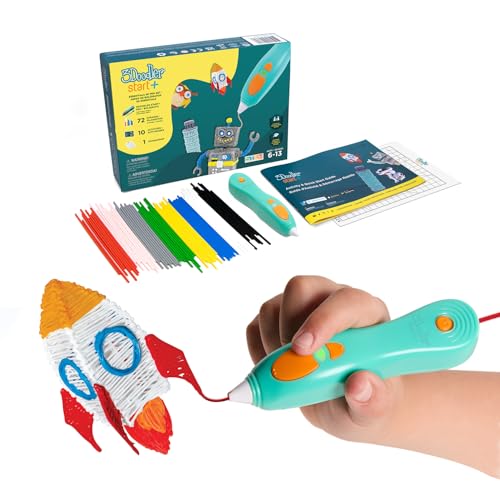
3Doodler Start+ Essentials 3D Pen Set for Kids, Easy to Use, Learn from Home Art, Educational STEM Toy for Boys & Girls Ages 6+
Why We Picked It
Career Connection
3D printers build objects by laying down material layer by layer, and drawing strand by strand with this pen gives young children a tactile feel for additive manufacturing — the principle behind everything a technician does.

The Zombie Apocalypse Guide to 3D printing: Designing and printing practical objects
Smyth, Clifford T
Why We Picked It
Career Connection
3D printing technicians make functional parts that have to hold up under real use, and this book teaches the design-for-printability and load calculations behind producing durable objects rather than just decorative ones.