

The Zombie Apocalypse Guide to 3D printing: Designing and printing practical objects
About
The Zombie Apocalypse Guide to 3D printing is written for the person who wants to use their printer to make practical, durable items for everyday use.Whether rebuilding civilization from your jungle hideaway, fighting off zombie hordes, or just printing a new plastic bit for your latest project, The Zombie Apocalypse Guide to 3D printing has what you need to get the job done. If you are going to buy just one book for your 3D printing toolbox, this should be it. With 180 pages and more than 65 illustrations and photos, this easy to read volume contains sections on:- designing for 3d printing - optimizing your designs for strength and printability - printing at 2x speed for prototyping - leveraging vitamins to multiply the usefulness of your printed designs - how to template and prototype replacement parts - calculating safe working loads for printed objects - basic paradigms for 3D design - calibrating and adjusting your printer - troubleshooting common printing problems - operating your printer from improvised power supplies and much, much more.With a tongue in cheek nod to the zombie mythos, this volume will enable you to manufacture things on your desktop that you might otherwise have to purchase, painstakingly craft, or do without. Emphasizing independence and solving practical problems, this book will help the reader to design and manufacture new items as well as making perfect fitting repair and replacement parts.No matter what type of 3D printer you use, reading The Zombie Apocalypse Guide to 3D printing will help you to improve your design skills and understand critical technical details, help you to identify and correct common printing problems, and expand your horizons in the 3d printing with the use of the most effective design methods.Paperback, 187 Pages, 68 Illustrations.
Why it’s great
Hidden under a playful end-of-the-world premise is one of the more practical 3D-printing books a high-schooler can own. It cares less about decoration and more about making things that genuinely work: parts strong enough to trust, prototypes worth refining, and prints engineered to bear weight. That real-world emphasis mirrors the judgment professionals lean on whenever a printed component has an actual job to do.
IMF Parent Metrics
Related Resources
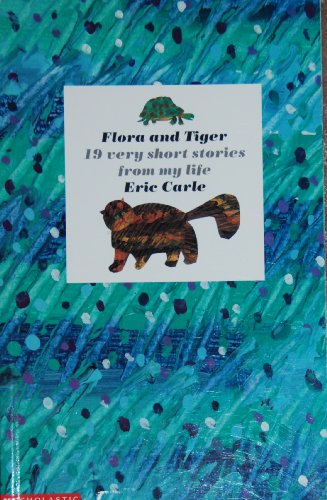
Flora and Tiger: 19 very short stories from my life
Why We Picked It
Nineteen short personal vignettes, each tracing a memory that formed Eric Carle: his father's animals, his father's drawings, his father's stories. A tender, autobiographical glimpse at the life that produced The Very Hungry Caterpillar.

Awesome Construction Activities for Kids
Why We Picked It
This hands-on activity book for ages 5 to 10 guides young builders through cup towers, railroad models, and beyond, introducing construction concepts through projects they fully design and complete themselves.

Blood Beneath the Skin
Why We Picked It
This compelling biography explores the brilliance, personal struggles, and fearless creative vision that made Alexander McQueen one of fashion's most original minds.

A Full Life: Reflections at Ninety
Why We Picked It
At ninety, Jimmy Carter reflects on his presidency, his faith, his marriage, and his decades of humanitarian work with disarming frankness, making this New York Times bestseller essential reading for high-schoolers studying American political life.