
Did You Know?
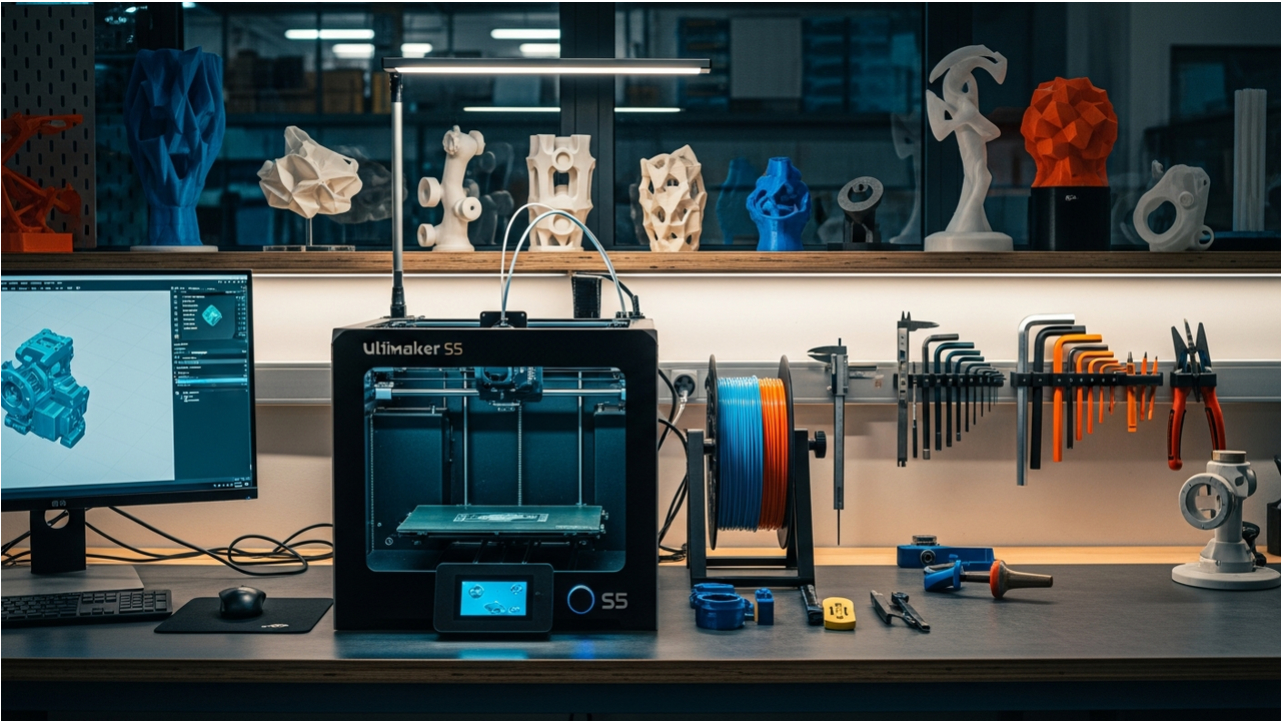
3D printing has made it possible to produce custom prosthetic limbs for children for as little as $50, compared to traditional prosthetics that can cost tens of thousands of dollars and need to be replaced every few years as the child grows.
How to Get Started
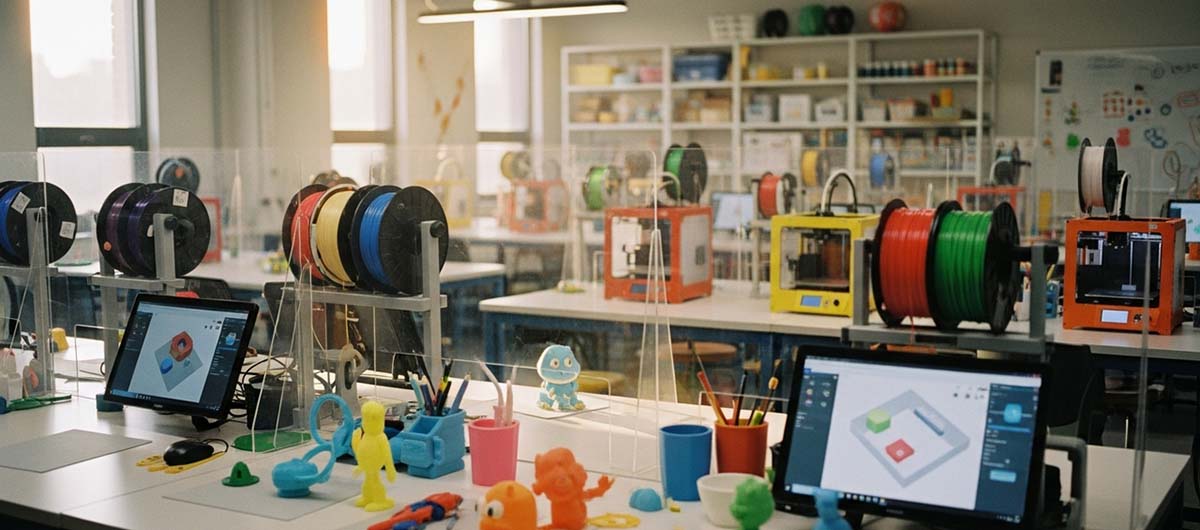
Getting started in 3D printing begins with developing an eye for how objects are built, layer by layer, and a curiosity about the gap between what can be designed and what can be made. Learning to think in three dimensions, experimenting with design software, and getting your hands on a real printer as early as possible are the foundations of everything that follows. The field rewards people who learn by doing, and there has never been greater access to the tools needed to start than right now.
Explore the Basics
Watch a time-lapse video of a 3D printer building an object from scratch and pause it at several points to predict what the finished object will look like before it is complete. Pay attention to how the printer builds support structures under overhanging sections and how the layers stack up to create curves and angles. Learning to read a print in progress is a skill technicians use every day to catch problems before they become failures.
Try It Out
Ask a parent or caregiver to help you create a free account on Tinkercad, a free browser-based 3D design program used by professionals and beginners alike, and follow one of the beginner tutorials to design and export your first simple object. If your school, library, or local makerspace has a 3D printer available, bring your file and ask if you can print it. Holding something you designed yourself for the first time is an experience that stays with you.
Join the Community
Ask a parent or caregiver to help you find out if your school, library, or community center has a makerspace or STEM club where kids can explore building and making things together. Even if they do not have a 3D printer, makerspaces introduce you to the culture of making, the idea that anyone can design and build things, which is at the heart of what 3D printing technicians do every day.
How to Become a 3D Printing Technician
Explore more resources for a future 3D Printing Technician

3D Printing: Essential Techniques and Tips for Beginners (3D Printing for Beginners, Intermediate & Pro Users: Mastering Techniques & Tips 2026)
Moss, Ashton
Why We Picked It
Career Connection
3D printing technicians calibrate printers and prepare models in slicing software as first-day tasks, and this book introduces the CAD prep and additive-manufacturing basics that underpin the whole profession.
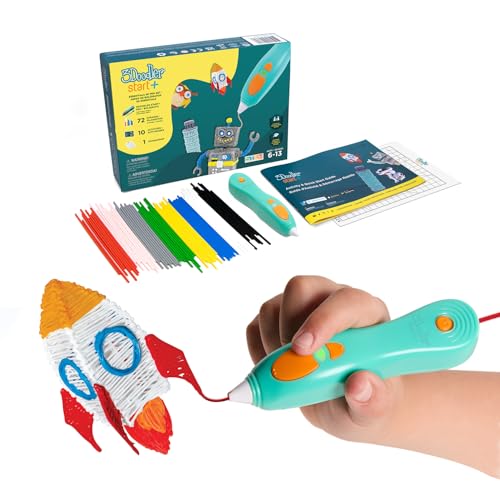
3Doodler Start+ Essentials 3D Pen Set for Kids, Easy to Use, Learn from Home Art, Educational STEM Toy for Boys & Girls Ages 6+
Why We Picked It
Career Connection
3D printers build objects by laying down material layer by layer, and drawing strand by strand with this pen gives young children a tactile feel for additive manufacturing — the principle behind everything a technician does.

How to Make Money with 3D Printing: a guide to creating a profitable business, generating passive income, and becoming a successful 3D entrepreneur
Steiner, Lukas
Why We Picked It
Career Connection
Many 3D printing technicians work freelance or run their own shops, and this book reveals the entrepreneurial side of the field — managing machine time, branding products, and turning printing know-how into a sustainable career.