
Did You Know?
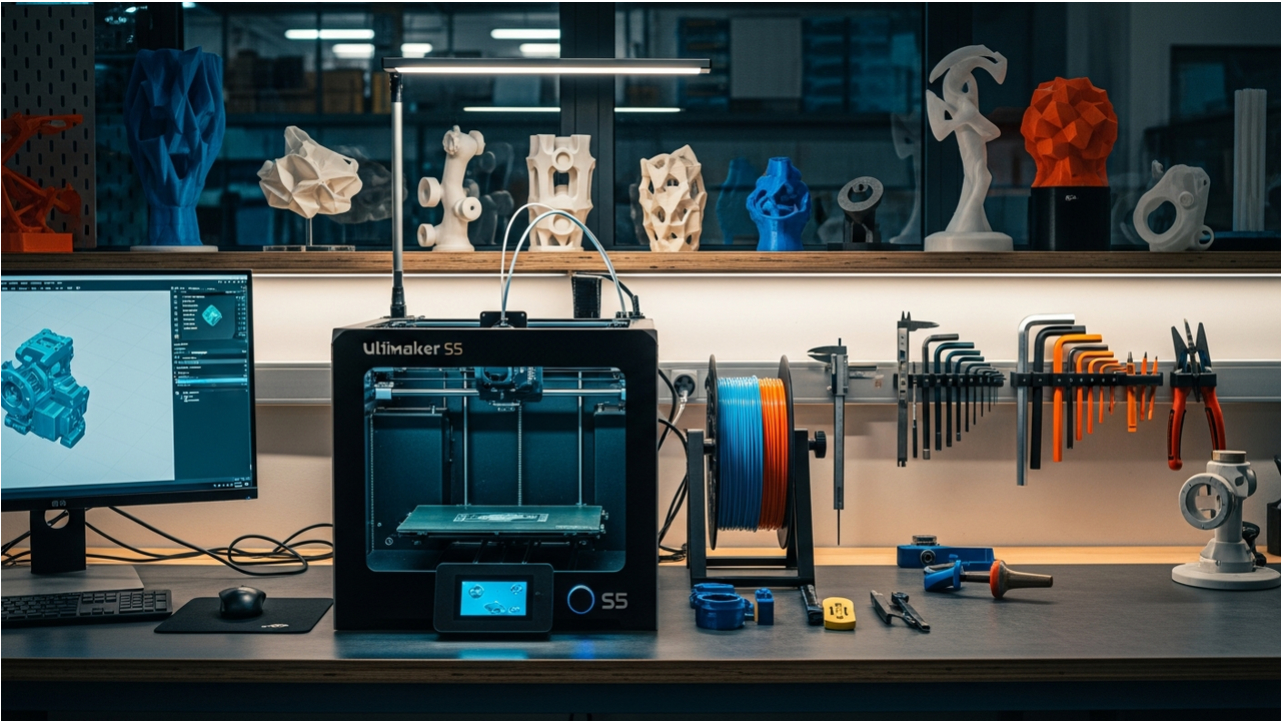
3D printing has made it possible to produce custom prosthetic limbs for children for as little as $50, compared to traditional prosthetics that can cost tens of thousands of dollars and need to be replaced every few years as the child grows.
What 3D Printing Technicians Really Do
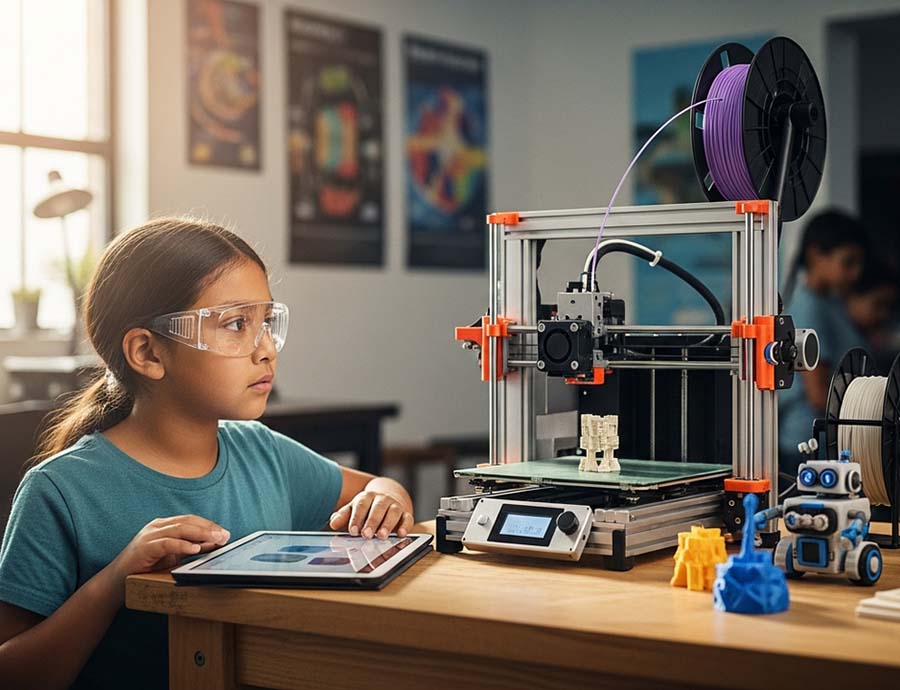
Somewhere in a workshop right now, a machine is building something layer by layer, each one thinner than a human hair, turning a digital file into a physical object you can hold in your hand. That machine is a 3D printer, and the person who runs it, sets it up, fixes it when something goes wrong, and figures out how to make it produce exactly the right result is a 3D printing technician. They work with designers, engineers, and scientists to take ideas that exist only on a screen and bring them into the real world using technology that is being reinvented and expanded every single year.
The job is part puzzle-solving, part hands-on craftsmanship, and part science experiment. A 3D printing technician has to understand the materials they are working with, the software that controls the printer, and the design files that tell the machine what to build. When something does not print correctly, they figure out why and fix it. If you love building things, enjoy figuring out how machines work, and get excited by the idea of turning an idea into something tangible, you should explore 3D printing.
You Might Love This If...
Skills That Follow You Everywhere
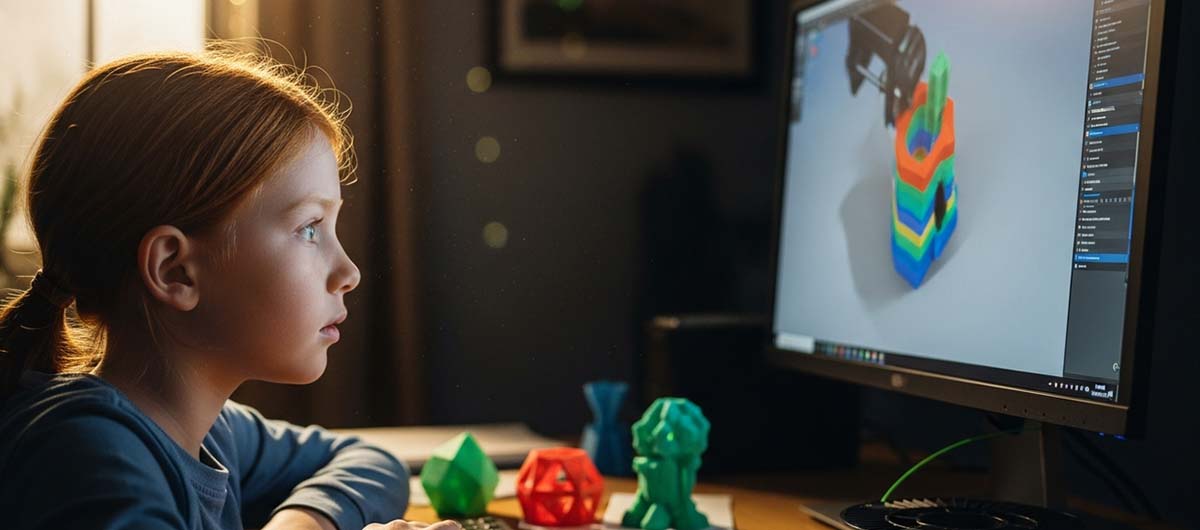
Working as a 3D printing technician builds skills that extend far beyond operating a machine. Technicians learn to bring creative vision into physical reality, stay effective as the technology beneath their feet keeps shifting, and diagnose and solve problems that no manual fully prepares them for. These abilities are valuable in any career that sits at the intersection of making, thinking, and adapting.
Adaptability
The 3D printing field is evolving fast enough that a technician who stops learning quickly falls behind. The materials, machine architectures, and software platforms are emerging faster than any single training program can cover. Adaptability here means treating every new system as an opportunity rather than an obstacle and building skills that transfer across technologies even as the specific tools keep changing. In 3D printing, technicians develop the ability to stay effective and adapt to the changes in a field that keeps reinventing itself.
Creativity
A 3D printing technician is not just executing someone else's instructions. They are making constant decisions about orientation, material selection, and how to bridge the gap between what a designer imagined and what physics will actually allow. That habit of thinking inventively within real-world constraints is one of the most transferable skills a technician develops.
Problem-Solving
A print that fails at hour eleven of a twelve-hour job is not a disaster. It is a diagnostic puzzle, and 3D printing technicians learn to read failure modes, trace problems back through build parameters and material properties, and adjust their approach before running the job again. That cycle of hypothesis, testing, and refinement builds a problem-solving mindset that transfers directly into any technical field where the path from design to finished product is never perfectly smooth.
Explore more resources for a future 3D Printing Technician

AI-Driven Manufacturing & Space Systems: Design, Optimization, and Research Challenges (Space Technology & Research Engineering Series Book 8)
Naik, Sangat
Why We Picked It
Career Connection
3D printing technicians increasingly work alongside AI and automation to manufacture parts for extreme environments like space, exactly the frontier NASA's In-Space Manufacturing Program is pioneering.

3D Printing Failures: 2022 Edition: How to Diagnose and Repair ALL Desktop 3D Printing Issues
Aranda, Sean
Why We Picked It
Career Connection
3D printing technicians spend their days diagnosing why prints fail — warping, clogged nozzles, poor layer adhesion — and learning to read those failures is exactly the problem-solving skill that separates a hobbyist from a professional.

3D Printing and Maker Lab for Kids: Create Amazing Projects with CAD Design and STEAM Ideas (Volume 22)
Sequeira, Eldrid
Why We Picked It
Career Connection
3D printing technicians design models in CAD and then print them — the same skill NASA engineers use to manufacture tools and parts aboard the space station — and this book has kids doing it from the very first project.