Did You Know?
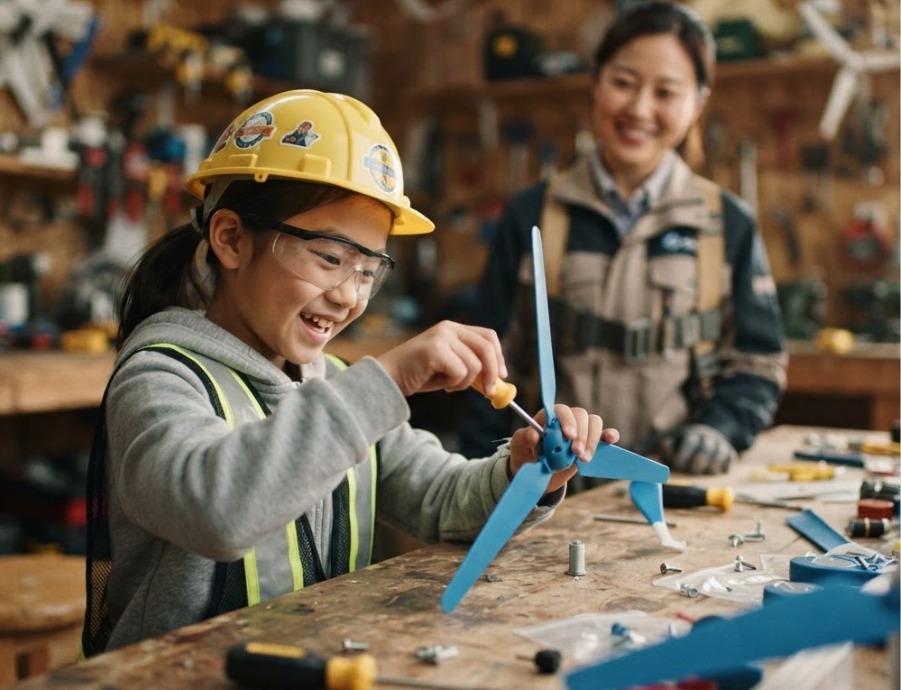
Students as young as fourth grade design and build their own wind turbines for the KidWind Challenge, then test them in a wind tunnel while judges from the wind industry watch. More than 4,000 students took part in the 2017 to 2018 season, and winners advance to a national event.
The Numbers Behind the Career
There were about 11,800 wind turbine technician jobs in the United States in 2025.
About 1,500 openings for wind turbine technicians are expected each year over the next decade.
The median annual salary for wind turbine technicians in the U.S. was $64,120 in 2025.
Where This Career Is Headed
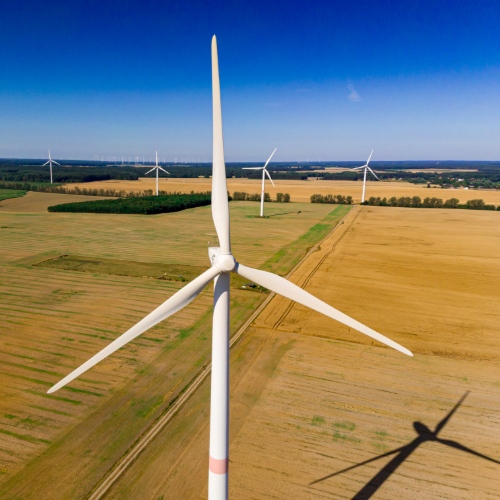
The basic trend is simple: the country needs more electricity, and more wind turbines are expected to be built to help supply it, which means more technicians to install and maintain them. Wind already provided about 11 percent of U.S. utility-scale electricity in 2024. Turbines are also getting much larger. The newest offshore machines have blades longer than a football field and can each power tens of thousands of homes, so a single technician's work matters more than it did a decade ago. Offshore wind farms, where crews may live on a vessel for days or weeks, are a growing part of the job. Two cautions belong here. This is a small occupation, so growth percentages swing from year to year: the previous federal projection called for 50 percent growth from 2024 to 2034, and the current one calls for 30 percent from 2025 to 2035. And the pace of new construction depends on electricity prices, costs, and government policy, which can change quickly. Even so, 30 percent growth is ten times the average for all occupations.

Offshore wind. Wind techs increasingly work on offshore farms, which use the largest turbines and require additional safety training such as sea survival. Technicians willing to work away from home for stretches at a time will be in demand.
Blade repair and rope access. Blades take the most punishment from weather, and technicians who can rappel from the nacelle and repair composite blade surfaces have a specialized, well-paid skill. The Global Wind Organization publishes a dedicated blade repair training standard.
Lead technician and site supervisor roles. Wind farms are run by small teams, and experienced wind techs move into lead roles that assign daily work, monitor the whole site, and coordinate with engineers. The mechanical and electrical skills also transfer to related trades such as industrial machinery mechanics and electricians.
Education & Certification
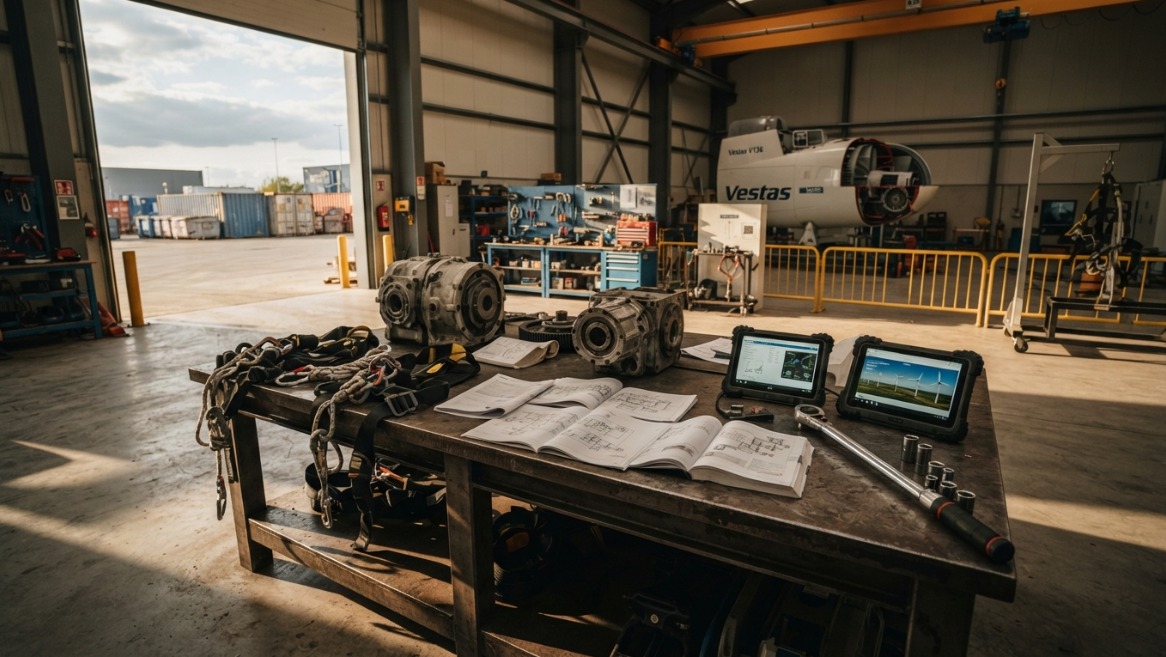
Wind turbine technicians typically need a postsecondary nondegree award, most often a certificate in wind energy technology from a technical school or community college, and some earn an associate degree instead. Coursework covers electrical and hydraulic systems, braking and mechanical systems, and programmable logic controllers, as well as tower climbing, rescue, safety, first aid, and CPR. Many schools have their own turbines on campus for students to service. Once hired, windtechs receive on-the-job training from the employer or the turbine manufacturer on the specific models they will maintain. No license is required, but employers often direct workers to certifications in workplace electrical safety, tower climbing, and self-rescue. The most widely recognized is the Global Wind Organization's Basic Safety Training, a standard first published in 2012 that covers working at heights, first aid, fire awareness, and manual handling, with a sea survival module for offshore work. GWO certificates are recorded in a global database and must be renewed every two years.
To Prepare...
Take physics, algebra, and any electronics, electrical, or shop class your school offers. Understanding basic circuits, forces, and simple machines is the foundation for everything a windtech program teaches.
Build fitness and comfort with heights on purpose. Climbing gyms, hiking, and ladder work all help, and earning a first aid and CPR certification now will make the safety training later feel familiar.
Research wind energy technology programs at community colleges and technical schools, and look for ones with training turbines on site. Ask what certifications graduates leave with and which employers hire them.