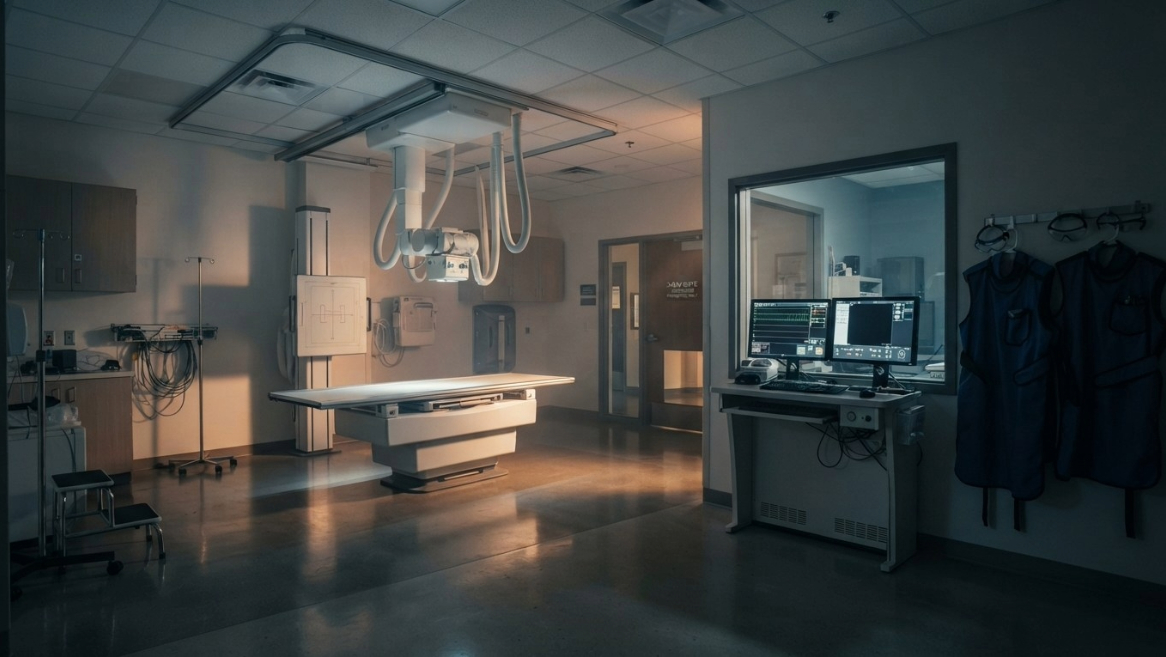
Did You Know?
From the mid-1920s to the 1950s, many shoe stores had X-ray machines that let customers see their feet' bones inside new shoes. In 1957, Pennsylvania became the first state to ban them.
The Numbers Behind the Career
There were about 234,200 radiologic technologist jobs in the US in 2025.
The median annual salary for radiologic technologist in the US as of 2025 was $80,110.
About 15,300 job openings for radiologic and MRI technologists combined are projected each year over the next decade.
Where This Career Is Headed
Over the next decade, imaging is likely to keep moving closer to the patient while using less radiation and less time. Photon-counting CT, which can make sharper images while lowering the radiation dose, received its first FDA clearance in 2021, and other companies’ versions have been cleared since, including GE HealthCare’s in 2026. Portable MRI and CT scanners can now be brought to a patient’s bedside, including in intensive care units. Newer tools help too: 3D cameras can make patient positioning for CT more accurate, and in one large study, AI software cut scan times for some MRI exams by up to about half. A growing older population and more people living with chronic disease are also expected to increase the need for imaging.

FDA-cleared remote scanning tools let an experienced technologist at a command center help with scans at several sites at once, which could create new expert and training roles, though a qualified person still stays with the patient at each scanner."
Researchers have designed an ultra-low-dose chest CT to help find small objects children may have breathed in, and in tests on child-sized models it used far less radiation than a standard CT scan.
MRI technologist jobs are projected to grow faster than radiologic technologist jobs over the next decade, so technologists who add MRI may find more room to grow.

Education & Certification
Most radiologic technologists start with a two-year associate degree, and some programs lead to a certificate or a bachelor’s degree. Programs cover anatomy, pathology, patient care, radiation physics and protection, and image evaluation, along with hands-on clinical training. In high school, courses like anatomy, biology, chemistry, physics, and math build a strong foundation.
Most states require radiologic technologists to be licensed or certified, and employers typically require or prefer certification. A widely recognized credential is Radiography certification from the American Registry of Radiologic Technologists (ARRT). To earn it, you need an associate degree or higher, completion of an ARRT-approved educational program, ARRT ethics requirements, and a passing exam score. You can use the credential R.T.(R)(ARRT). Technologists can later add specialty credentials like CT, mammography, or MRI, and employers may also want CPR or basic life support certification.
To Prepare...
Take anatomy, biology, chemistry, physics, and math to build a foundation for imaging science and radiation safety.
Join HOSA-Future Health Professionals if your school has a chapter. Grades 6 to 8 have their own middle school division, and students who are not in a health science program can join as associate members.
Ask your counselor whether a nearby community college offers dual enrollment courses like anatomy or medical terminology, and look for a CPR class, since employers may want CPR certification.
Spotlight: Explore the Life of a Radiologic Technologist

Royce Osborn
Learn More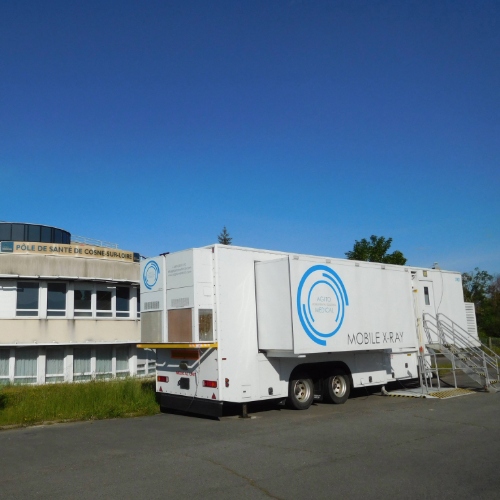
Mobile Chest X-Ray Screening Campaigns
Learn More