
Did You Know?
From the mid-1920s to the 1950s, many shoe stores had X-ray machines that let customers see their feet' bones inside new shoes. In 1957, Pennsylvania became the first state to ban them.

What Radiologic Technologists Really Do
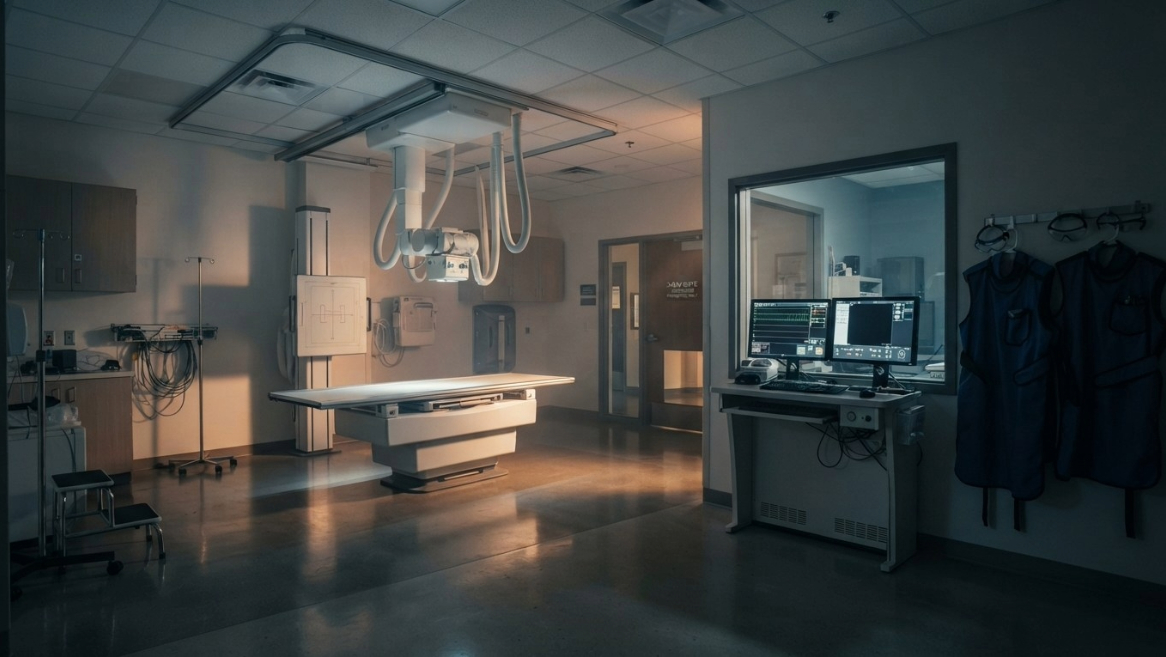
A girl in the hospital waiting room is holding her arm after falling off her bike, and you are the one who will take her X-ray. You smile, show her the big machine, and explain that it takes a picture of the inside of her arm and will not hurt. You help her rest her arm in just the right spot, remind her to hold very still, and step behind a window. With one button, the machine takes the picture, and it appears on your computer screen right away. You check that the picture is clear, then send it to the doctors, who will read it.
Radiologic technologists use special machines, like X-ray machines and CT scanners, to take pictures of the inside of the body. They help each patient get into the right position, because the picture only works if the body part is in just the right spot. They use as little radiation as possible while still getting a clear picture. They also keep patients calm, which matters when someone is hurt, worried, or a little scared. Many work in hospitals, and some work in doctors’ offices and clinics. If you like technology, helping people feel better, and following careful steps, you might like this job.
You Might Love This If...
Skills That Follow You Everywhere
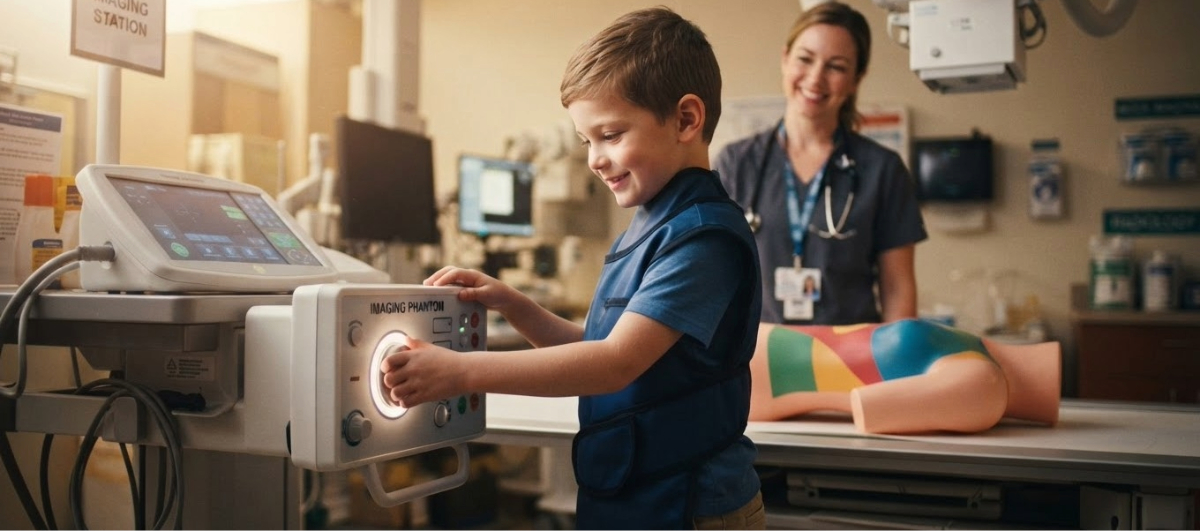
Radiologic technologists build skills that reach well beyond the imaging room. They learn to put frightened people at ease, to explain steps in plain words, and to work as part of a care team. These skills matter in any career where people depend on you.
Teamwork
Imaging is one part of a larger care team, and technologists work closely with physicians, nurses, and other technologists. They follow each doctor’s orders exactly, then work with the physician to decide whether more images are needed. In an emergency, everyone’s role has to line up quickly so the patient gets care without delay.
Communication
Technologists explain each step in plain language, from where to rest an arm to when to hold still, so patients know what to expect. They listen for signs of pain or confusion and change their approach when something is not working. They also pass along clear information to nurses and physicians so the right images are taken the first time.
Empathy
Patients arrive in pain, afraid, or worried about what is going to happen. A radiologic technologist notices those feelings and responds with patience, whether that means a gentle voice for a child or extra time for someone who is nervous. A calm patient holds still more easily, which helps the technologist get a clear image.