

Did You Know?
Albert Einstein once said that if he could do it all over again, he would become a plumber. After he said this, the Plumbers and Steamfitters Union in Washington, D.C. made him an honorary member!
The Numbers Behind the Career
There were about 504,500 jobs for plumbers, pipefitters, and steamfitters in the U.S. in 2024.
About 44,000 openings are projected each year over the next decade.
The 2024 median annual salary for plumbers, pipefitters, and steamfitters in the U.S. was $62,970.
Where This Career Is Headed
Over the next decade, plumbing will continue to evolve as technology, sustainability, and water conservation become central to the profession. Plumbers who combine traditional craft skills with expertise in emerging technologies will be positioned to lead an industry that is both deeply essential and increasingly sophisticated.

Green plumbing and water conservation: Greywater recycling systems, rainwater harvesting, low-flow fixtures, dual-flush toilets, and tankless water heaters that save households $400-$600 per year are expanding the plumber's toolkit. Green plumbing certifications are increasingly valuable as sustainability regulations grow.
Advanced diagnostic and repair technology: Augmented reality tools help plumbers map hidden pipes and plan installations without opening walls. Trenchless pipe relining allows repairs with minimal digging. 3D printing is being used to fabricate specialized fixtures on demand.
Growing global demand: UNESCO projects global water demand will rise 20-30% by 2050. The global plumbing fixtures market is valued at over $107 billion and is growing at a 7.8% compound annual rate, creating strong long-term career prospects.

Education & Certification
Most plumbers enter the trade through one of two primary pathways. The most common route is a registered apprenticeship, a four- to five-year program that combines approximately 2,000 hours of paid on-the-job training each year with classroom instruction. During this time, apprentices develop practical skills under the supervision of experienced plumbers while also studying blueprint reading, water system physics, local plumbing codes, welding, and safety practices in a classroom setting. This blended approach allows apprentices to gain both technical knowledge and real-world experience over several years.
The second pathway is through vocational or technical schools, where students can pursue plumbing certificates or associate degree programs that teach foundational skills before entering the workforce or beginning an apprenticeship. These programs focus on core concepts and hands-on preparation designed to build the basic competencies needed to start a career in plumbing.
To Prepare...
Take high school courses in math (especially geometry and algebra), physics, shop/industrial arts, and drafting to build foundational skills for reading blueprints and calculating pipe systems.
Look for pre-apprenticeship programs or vocational courses at local community colleges and trade schools that offer introductory plumbing training.
After completing an apprenticeship and passing a licensing exam, plumbers work as journeymen. With additional experience and a master plumber exam, they can earn a master plumber license to design systems, pull permits, and run their own businesses.
Spotlight: Explore the Life of a Plumber
Explore more resources for a future Plumber

Flushed With Pride: The Story of Thomas Crapper
Reyburn, Wallace
Why We Picked It
Career Connection
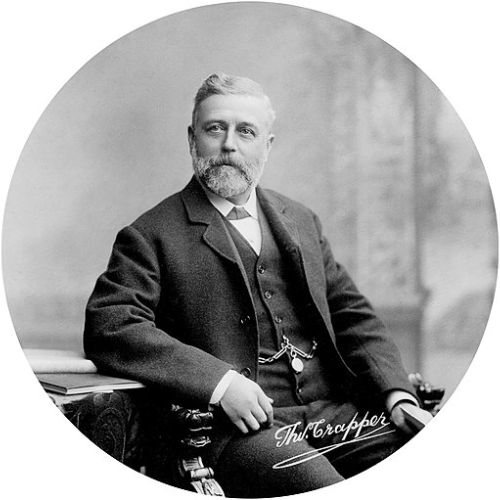
Plumbers design and install the sanitary systems that Thomas Crapper helped pioneer, and this biography of the Victorian water engineer who masterminded the fittings at Sandringham House and Westminster Abbey gives aspiring plumbers the most entertaining available account of where their profession's modern foundations were built.

The Great Stink: How Joseph Bazalgette Solved London's Poop Pollution Problem
Paeff, Colleen
Why We Picked It
Career Connection
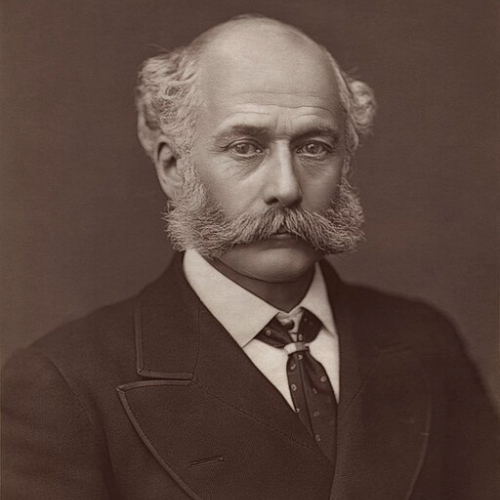
Plumbers and sanitation engineers maintain the pipe systems that protect public health, and Bazalgette's London sewers, which ended cholera outbreaks in one of the world's largest cities, show what skilled water system design can accomplish at its most consequential.

The Great Stink of London: Sir Joseph Bazalgette and the Cleansing of the Victorian Metropolis
Stephen Halliday
Why We Picked It
Career Connection
Plumbers and sanitation engineers design and maintain the pipe systems that protect communities from disease, and Bazalgette's network, which ended London's centuries of cholera epidemics, is the most dramatic demonstration of what that work can accomplish at scale.