
Did You Know?
Albert Einstein once said that if he could do it all over again, he would become a plumber. After he said this, the Plumbers and Steamfitters Union in Washington, D.C. made him an honorary member!
What Plumbers Really Do
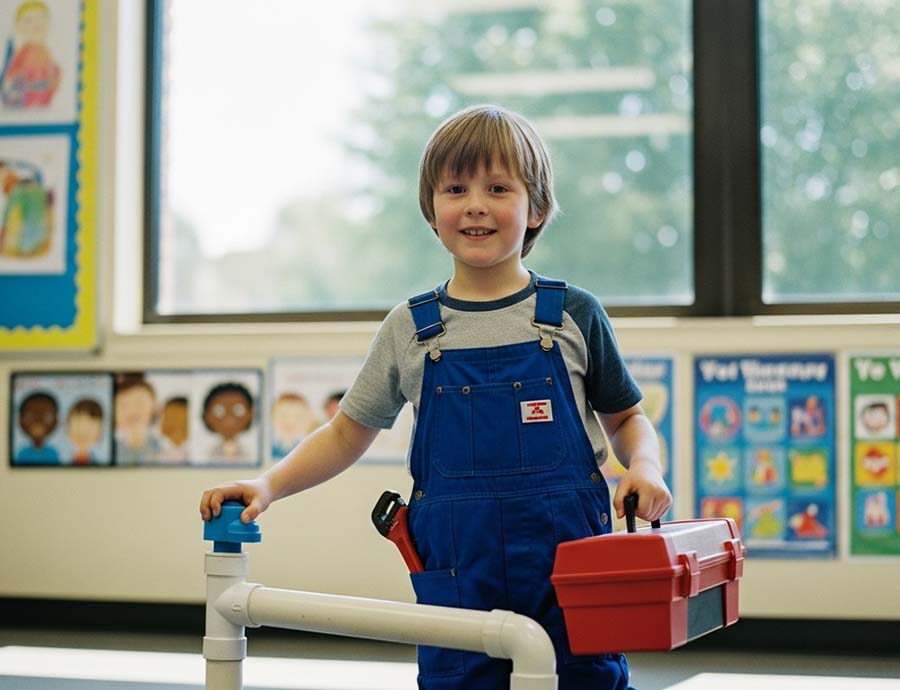
Have you ever turned on a faucet and watched clean water pour out, or flushed a toilet and wondered where everything goes? A plumber is the person who makes all that work. They are like water detectives and puzzle builders rolled into one, figuring out how to bring clean water into homes, schools, and hospitals, and then making sure the dirty water gets carried safely away. They use pipes, special fittings, and cool tools to build systems hidden inside walls and under floors that most people never even see. Without plumbers, there would be no drinking fountains, no warm showers on cold mornings, and no working bathrooms anywhere.
Imagine being the person everyone calls when water is shooting out of a pipe or a sink won't drain. You arrive with your toolbox, crawl under the house, identify exactly what went wrong, and fix it. Some plumbers work in people's homes, while others work on large buildings, water parks, or even the systems that supply clean water to entire cities. If you enjoy building things with your hands, solving complex problems, and want to be the hero who gets everything working again, plumbing could be the perfect career for you.
You Might Love This If...
Skills That Follow You Everywhere
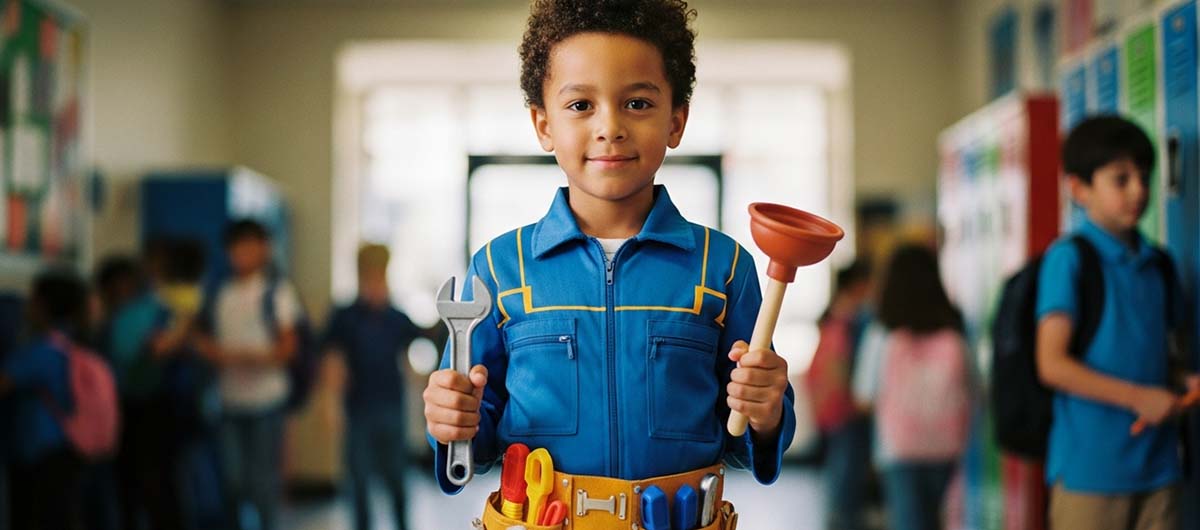
Being a plumber helps you develop important skills that are useful in many different careers, like problem-solving, teamwork, and critical thinking. Plumbers learn how to diagnose complex problems, communicate effectively with clients and other tradespeople, and think analytically under pressure.
Critical Thinking
A plumber uses critical thinking by reading and interpreting blueprints, calculating pipe grades and water pressure, evaluating code requirements, and making judgment calls about the safest and most efficient way to route a system through a building's unique structure.
Teamwork
A plumber uses teamwork by coordinating closely with electricians, HVAC technicians, general contractors, and building inspectors on construction sites and large projects. They communicate clearly about shared timelines, adapt when other trades' work affects their plans, and ensure every system connects properly.
Problem-Solving
A plumber uses problem-solving to diagnose the root causes of leaks, clogs, and system failures, often without being able to see the pipes at all. They analyze symptoms such as low water pressure, unusual sounds, or slow drains, then determine the most effective and efficient fix while keeping the repair within code.
Explore more resources for a future Plumber

Thomas Crapper: Lavatory Legend (Children's Historical Biographies)
Robert Hume
Why We Picked It
Career Connection
Plumbers build on more than a century of sanitary innovation pioneered by engineers like Thomas Crapper, and this deeply researched account of his seventeen patents, royal commissions, and the technical rivalries that defined Victorian plumbing gives aspiring plumbers the richest available portrait of how their profession came to define modern sanitation.

Plumbers (Bullfrog Books: Community Helpers)
Cari Meister
Why We Picked It
Career Connection
Plumbers install and maintain the water and drainage systems every building depends on, and this book gives young readers the vocabulary and visual familiarity with tools and tasks that are the natural starting point for understanding the profession.

The Water Came To A Stop (Next Up Trades)
Kiscaden, Ryan
Why We Picked It
Career Connection
Plumbers keep water flowing safely to every home and business they serve, and this book gives young readers their first understanding of the skilled, purposeful work that goes into maintaining the water systems everyone depends on every day.