Photo: See file page for creator info.
Who He Is
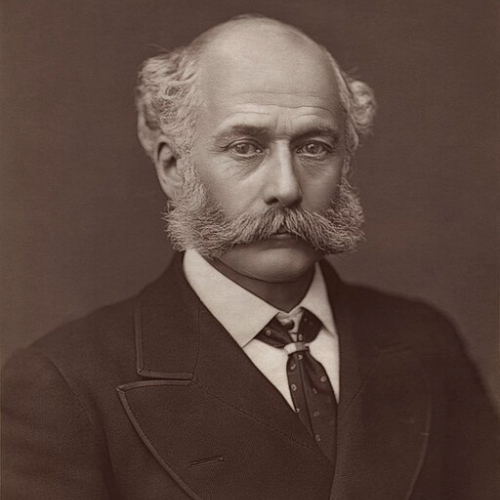
Joseph Bazalgette was a civil engineer in London, England, during a time when the city was drowning in its own waste. In the 1850s, London's sewage flowed directly into the River Thames, the same river that supplied much of the city's drinking water. Deadly cholera outbreaks killed tens of thousands of people, and no one could figure out how to stop them. In the sweltering summer of 1858, the smell from the Thames became so unbearable that members of Parliament could not even sit in their building, which was right next to the river. They called it "The Great Stink." Bazalgette, who had been designing plans for years while politicians argued, was finally given the go-ahead and the funding to fix the problem.
Why He Matters
Bazalgette designed and built London's first modern sewer system, a network of 82 miles of massive brick-lined tunnels and over 1,000 miles of street-level sewers that intercepted waste before it reached the Thames and carried it safely out of the city. The project took more than 16 years, required the construction of massive pumping stations, and involved building the Victoria, Chelsea, and Albert Embankments along the riverbank to house the new sewer lines. Bazalgette insisted on using the strongest Portland cement available and deliberately made the tunnels larger than anyone thought necessary, saying he wanted to account for future population growth. That decision is why much of his system still works today, serving over eight million people more than 160 years later. His sewers virtually eliminated cholera from London, and historians have said that his work saved more lives than that of any other Victorian public official. He was knighted by Queen Victoria in 1875. Bazalgette's story is a powerful example of how plumbing and sanitation engineering are not just about pipes and drains; they are about protecting public health on a large scale.