
Did You Know?
About 500 Buffalo Soldiers from African American Army regiments served as some of America's earliest park rangers at Yosemite and Sequoia National Parks. They built trails, fought forest fires, expelled poachers, and even escorted President Theodore Roosevelt through Yosemite. The iconic wide-brimmed "flat hat" worn by rangers today is modeled on the cavalry hats worn by these soldiers!
The Numbers Behind the Career
Over 20,000 park rangers work across federal, state, and local park systems in the U.S.
The median annual salary for a park ranger, depending on whether it is federal or state, is $55,000.
Approximately 3,500 park ranger positions are projected for each year over the next decade.
Where This Career Is Headed
Over the next decade, the park ranger profession will be shaped by climate change, advancing technology, record-breaking park visitation, and a growing emphasis on diversity and inclusion. Rangers will increasingly need skills in data analytics, climate science, and technology alongside traditional outdoor and law enforcement capabilities. As parks face new environmental pressures and welcome more diverse visitors, the role of the ranger will continue to evolve.
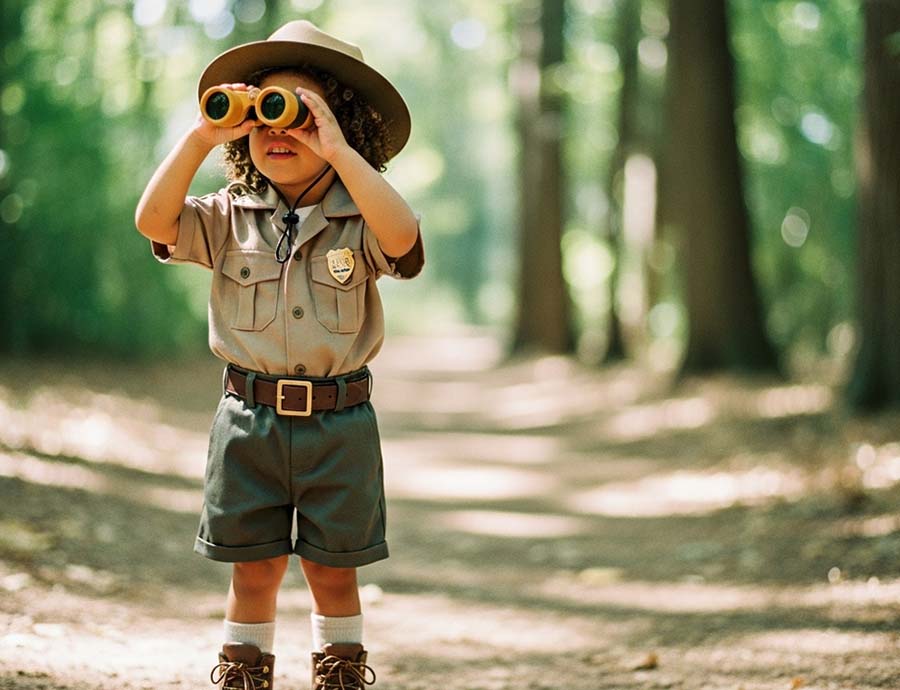
Climate change response: Rangers with skills in climate science, wildland firefighting, and ecosystem adaptation are in growing demand as parks face more severe wildfires, flooding, invasive species, and shifting wildlife patterns.
Technology integration: Rangers who can use drones for wildlife monitoring, GIS mapping software, GPS-based search and rescue systems, and data analytics tools will have a competitive advantage as parks modernize operations.
Diversity and inclusive storytelling: The National Park Service is actively working to diversify its workforce and tell more complete stories about American history, including the contributions of people of color, women, and indigenous communities, creating new opportunities for rangers who can connect with underrepresented visitors.
Education & Certification
Most park ranger positions require at least a bachelor's degree, often in environmental science, forestry, natural resource management, wildlife biology, criminal justice, or history. The National Park Service typically requires a bachelor's degree with at least 24 semester hours in related coursework, or equivalent specialized experience. Law enforcement rangers must complete an intensive 18-week training program at the Federal Law Enforcement Training Center (FLETC). State and local parks may accept associate's degrees with relevant experience. Competition for federal positions is fierce, so education, certifications, and extensive volunteer or seasonal experience all strengthen applications.
To Prepare...
Take high school courses in biology, environmental science, geography, history, and public speaking to build foundational knowledge for both interpretive and law enforcement ranger careers.
Pursue a bachelor's degree in environmental science, forestry, natural resource management, wildlife biology, parks and recreation management, criminal justice, or history at a college with a strong outdoor or conservation program.
Consider earning valuable certifications, such as Wildland Firefighter Training, Emergency Medical Technician (EMT), GIS/Mapping, Wilderness First Responder, or CPR/First Aid, to increase your competitiveness for ranger positions.
Spotlight: Explore the Life of a Park Ranger
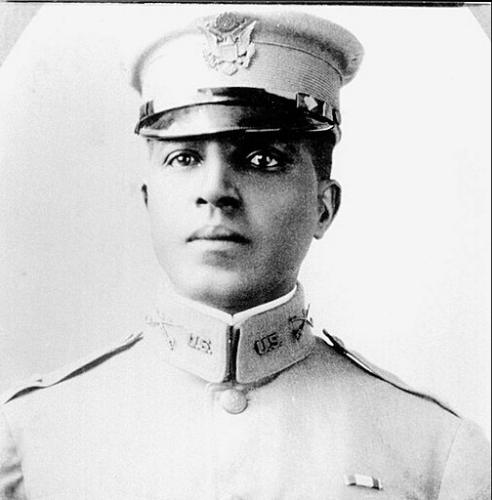
Colonel Charles Young and the Buffalo Soldiers
Learn More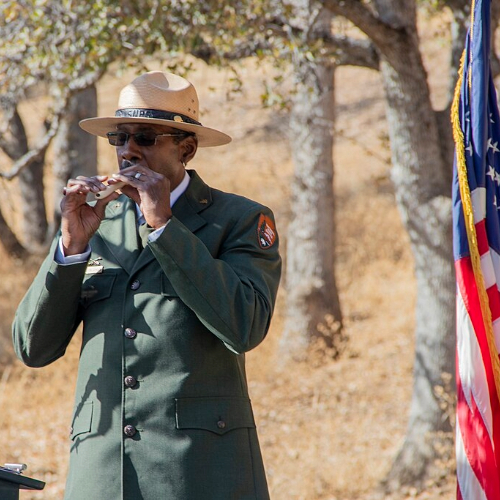
Shelton Johnson
Learn More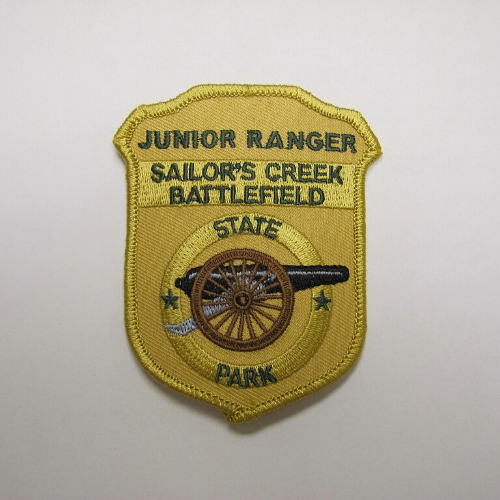
The Junior Ranger Program
Learn MoreExplore more resources for a future Park Ranger

National Geographic Kids National Parks Guide USA Centennial Edition: The Most Amazing Sights, Scenes, and Cool Activities from Coast to Coast!
National Geographic Kids
Why We Picked It
Career Connection
Park rangers serve as the living guides to the landscapes this book celebrates, and giving young visitors the knowledge and enthusiasm to engage meaningfully with the parks they visit is exactly the mission rangers work every day to accomplish.