Photo: National Park Service, CC BY 2.0 <https://creativecommons.org/licenses/by/2.0>, via Wikimedia Commons
Overview
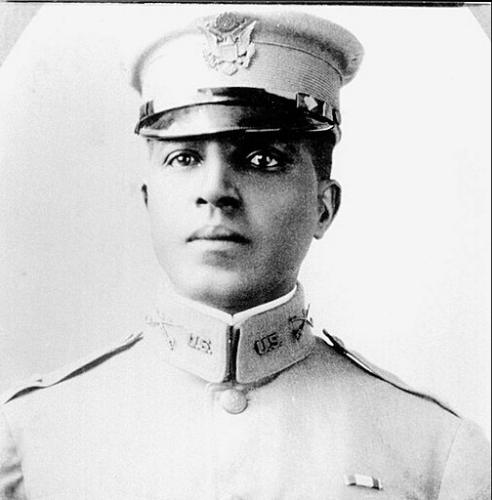
Charles Young (1864–1922) was born to formerly enslaved parents in Kentucky and rose to become a significant figure in both military and conservation history. He was only the third African American to graduate from West Point, despite facing relentless racism from fellow cadets. As Captain of the 9th Cavalry, Young led about 500 Buffalo Soldiers tasked with protecting Yosemite, Sequoia, and General Grant (now Kings Canyon) National Parks in 1899, 1903, and 1904, long before the National Park Service was established. In 1903, he made history as the first African American to serve as acting superintendent of a national park at Sequoia.
Why He Matters
Charles Young and the Buffalo Soldiers demonstrated that African Americans played a crucial role in safeguarding America's most valued landscapes, a history that remained largely untold for nearly a century. Under Young's leadership, the soldiers built the first practical wagon road into Sequoia's Giant Forest, constructed the first trail to the summit of Mount Whitney (14,505 feet), and created what is considered one of the earliest marked nature trails in a national park. They fought fires, expelled poachers and timber thieves, and patrolled vast wilderness areas, all while confronting the racism of their time. In 2004, a giant sequoia tree in Sequoia National Park was named in Young's honor. Their legacy proves that the national parks were built and preserved by people of all backgrounds, and their story continues to inspire a more inclusive vision of who belongs in America's wild places.