
Did You Know?
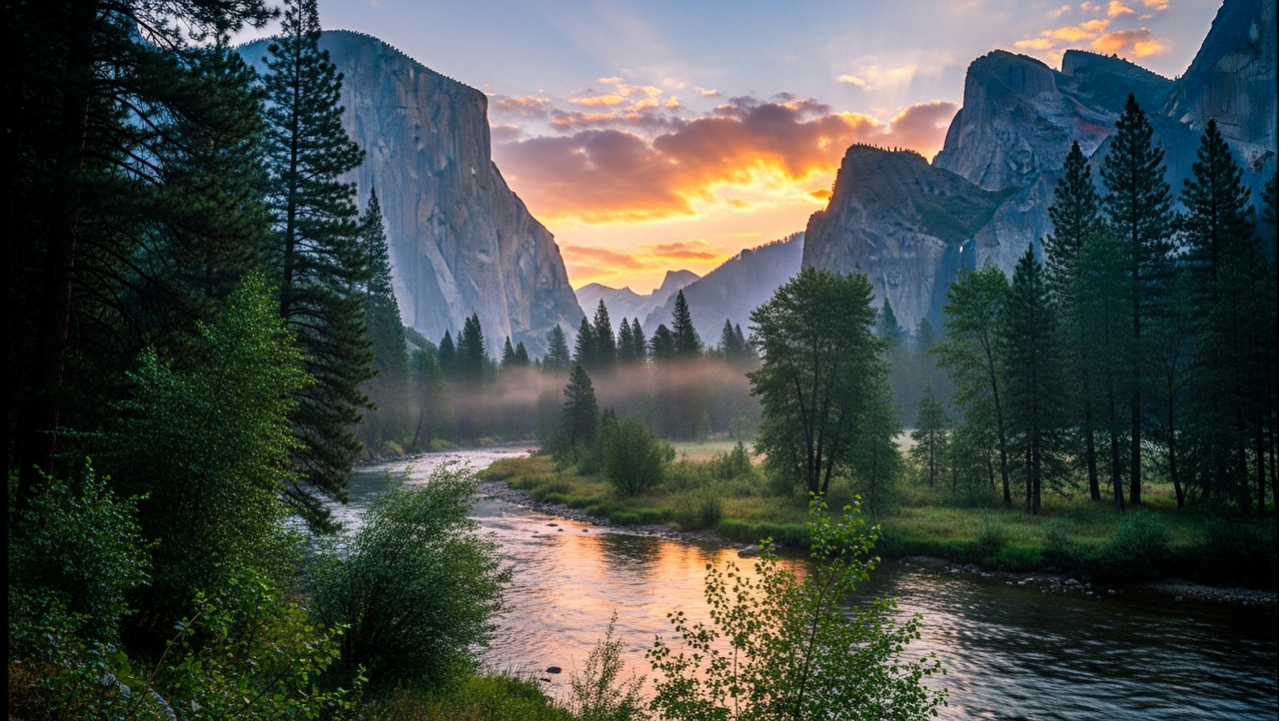
About 500 Buffalo Soldiers from African American Army regiments served as some of America's earliest park rangers at Yosemite and Sequoia National Parks. They built trails, fought forest fires, expelled poachers, and even escorted President Theodore Roosevelt through Yosemite. The iconic wide-brimmed "flat hat" worn by rangers today is modeled on the cavalry hats worn by these soldiers!
What Park Rangers Really Do
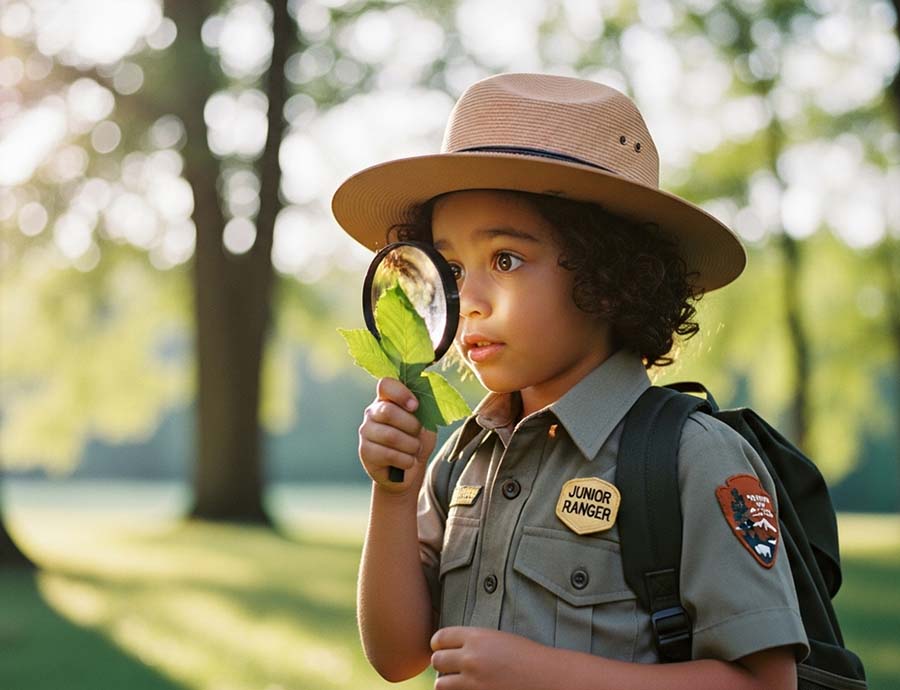
Have you ever visited a beautiful forest, hiked up a mountain, or explored a beach and wondered who takes care of these amazing places? Park rangers protect our country's most special wild areas and historic sites! They watch over animals, make sure visitors are safe, and teach people about nature and history.
Imagine being the person who rescues lost hikers, puts out forest fires, spots bears and eagles, and helps kids earn Junior Ranger badges. Park rangers work outdoors in some of the most beautiful places in America, from snowy mountains to sunny beaches to ancient forests where trees tower taller than the Statue of Liberty. They combine their love of nature with helping people, ensuring these special places will be here for your kids and grandkids to enjoy someday. If you love spending time outdoors and want to protect animals and wild places, being a park ranger could be your dream job!
You Might Love This If...
Skills That Follow You Everywhere
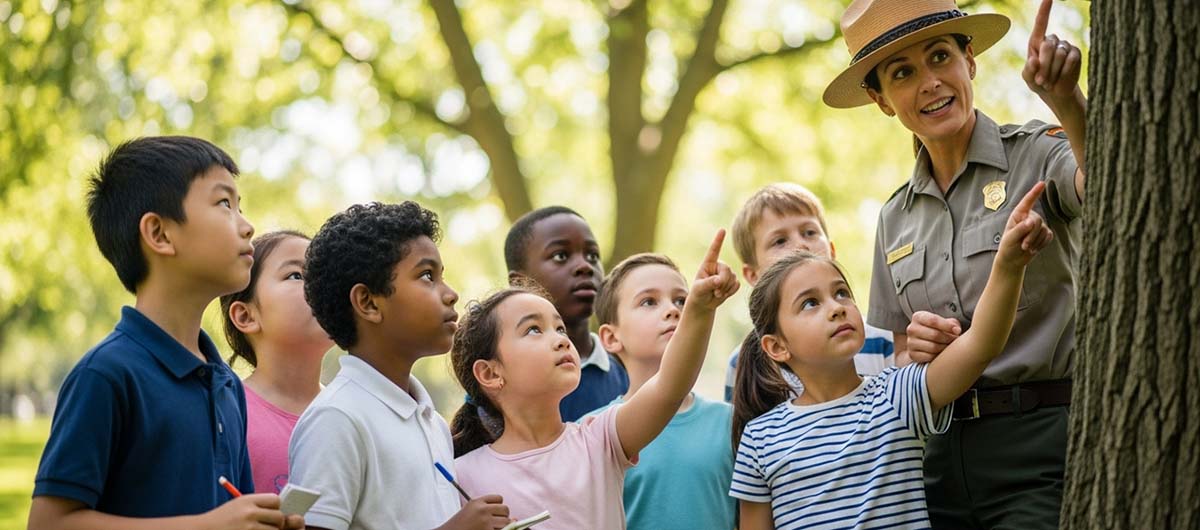
Being a U.S. Park Ranger helps you build important skills that can be useful in many different careers, such as communication, problem-solving, and adaptability. Park rangers learn how to connect with diverse audiences, think quickly in emergencies, and adjust to constantly changing conditions. These skills are especially important in a ranger's everyday work, where educating visitors, responding to crises, and managing unpredictable natural environments all play a big role.
Adaptability
A park ranger uses adaptability by adjusting to constantly changing conditions, from weather that can shift from sunny to dangerous storms in minutes, to seasons that bring entirely different wildlife behaviors, visitor patterns, and job duties. Rangers may conduct law enforcement patrol one day, lead a children's nature walk the next, and respond to a wildfire the day after that. Those who thrive in this career embrace change, stay flexible when plans don't work out, and develop the ability to perform well in any situation nature throws at them.
Problem-Solving
A park ranger uses problem-solving by quickly analyzing unexpected situations, such as sudden wildfires, lost hikers, injured wildlife, or unexpected flooding on popular trails, and finding solutions that keep everyone safe. Rangers must consider multiple factors at once, from weather conditions and terrain to available resources and visitor safety, when making critical decisions. This ability to assess complex situations and take effective action under pressure is at the heart of what makes a great ranger.
Communication
A park ranger uses communication by speaking clearly to visitors of all ages and backgrounds, from leading educational programs for school groups to explaining safety rules to international tourists. Rangers also write detailed reports about wildlife observations, coordinate with emergency responders during search and rescue operations, and deliver engaging campfire talks that bring nature and history to life. Whether calming a nervous hiker or presenting to a crowd of 200, clear communication helps rangers protect both people and parks.
Explore more resources for a future Park Ranger

Black Officer in a Buffalo Soldier Regiment: The Military Career of Charles Young
Shellum, Brian G.
Why We Picked It
Career Connection
Park rangers like Charles Young and the Buffalo Soldiers who served in Yosemite and Sequoia demonstrated that stewardship of America's wild places requires both physical courage and a commitment to justice, and Young's story is the most compelling example of that combination the ranger tradition has.

Buffalo Soldiers and the American West (Graphic Library, Graphic History)
Glaser | Jason
Why We Picked It
Career Connection
The Buffalo Soldiers were among the very first people to serve as park rangers in Yosemite and Sequoia, patrolling remote terrain and protecting natural areas decades before the National Park Service was formally established, making their story foundational to the entire ranger tradition.

Black Cadet in a White Bastion: Charles Young at West Point
Shellum, Brian G.
Why We Picked It
Career Connection
The Buffalo Soldiers Colonel Young commanded also served as the first ranger force in America's earliest national parks, and understanding his career gives students the full human context behind the ranger tradition's most overlooked and important founders.