

Black Officer in a Buffalo Soldier Regiment: The Military Career of Charles Young
Why we picked it
This scholarly biography gives Colonel Young the recognition his career deserves, tracing the Army's senior Black officer across decades of frontier service, international postings, and the racial barriers that shadowed every step of his extraordinary career.
Our review
Charles Young was the third Black graduate of West Point, the first Black U.S. military attaché, and the highest-ranking Black officer in the Regular Army. This serious, scholarly biography seeks to restore him to his proper place in military history, documenting his career across the frontier, Cuba, the Philippines, and the racial politics of the American military. A valuable and long-overdue account of an unheralded American hero.
Careers it connects to
Career pages on ImagineMyFuture that list this resource.
About this book
From the product listing
A valuable read for anyone with an interest in the final years of the frontier Army, American imperialism, African-Americans in military service, and American military history in general.A.A. Nofi, Strategypage.comShellums book seeks to restore a hero to the ranks of military history; at the same time, it informs our understanding of the role of race in the history of the American military. An unheralded military hero, Charles Young (18641922) was the third black graduate of West Point, the first African American national park superintendent, the first black U.S. military attach, the first African American officer to command a Regular Army regiment, and the highest-ranking black officer in the Regular Army until his death. Black Officer in a Buffalo Soldier Regiment tells the story of the man whowillingly or notserved as a standard-bearer for his race in the officer corps for nearly thirty years, and who, if not for racial prejudice, would have become the first African American general. Brian G. Shellum describes how, during his remarkable army career, Young was shuffled among the few assignments deemed suitable for a black officer in a white mans armythe Buffalo Soldier regiments, an African American college, and diplomatic posts in black republics such as Liberia. Nonetheless, he used his experience to establish himself as an exceptional cavalry officer. He was a colonel on the eve of the United States entry into World War I, when serious medical problems and racial intolerance denied him command and ended his career.
Resource details
- Resource type
- Book
- Age ranges
- High School
- Careers
- Park Ranger
Related resources
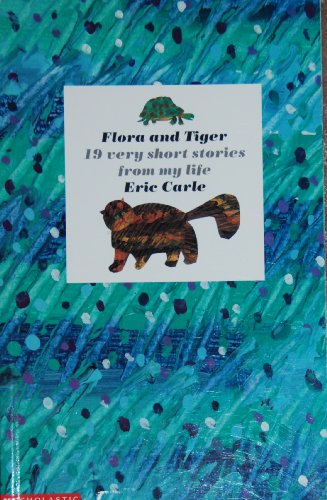
Flora and Tiger: 19 very short stories from my life
Why We Picked It
Nineteen short personal vignettes, each tracing a memory that formed Eric Carle: his father's animals, his father's drawings, his father's stories. A tender, autobiographical glimpse at the life that produced The Very Hungry Caterpillar.

Awesome Construction Activities for Kids
Why We Picked It
This hands-on activity book for ages 5 to 10 guides young builders through cup towers, railroad models, and beyond, introducing construction concepts through projects they fully design and complete themselves.
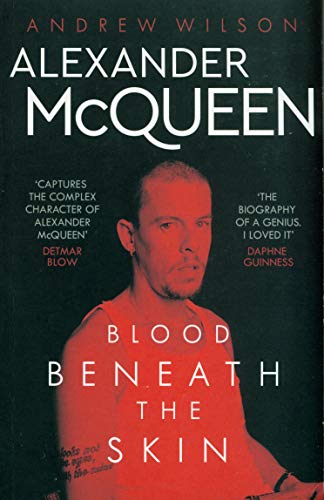
Blood Beneath the Skin
Why We Picked It
This compelling biography explores the brilliance, personal struggles, and fearless creative vision that made Alexander McQueen one of fashion's most original minds.
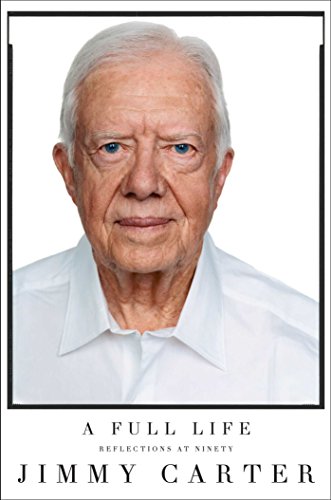
A Full Life: Reflections at Ninety
Why We Picked It
At ninety, Jimmy Carter reflects on his presidency, his faith, his marriage, and his decades of humanitarian work with disarming frankness, making this New York Times bestseller essential reading for high-schoolers studying American political life.