
Did You Know?
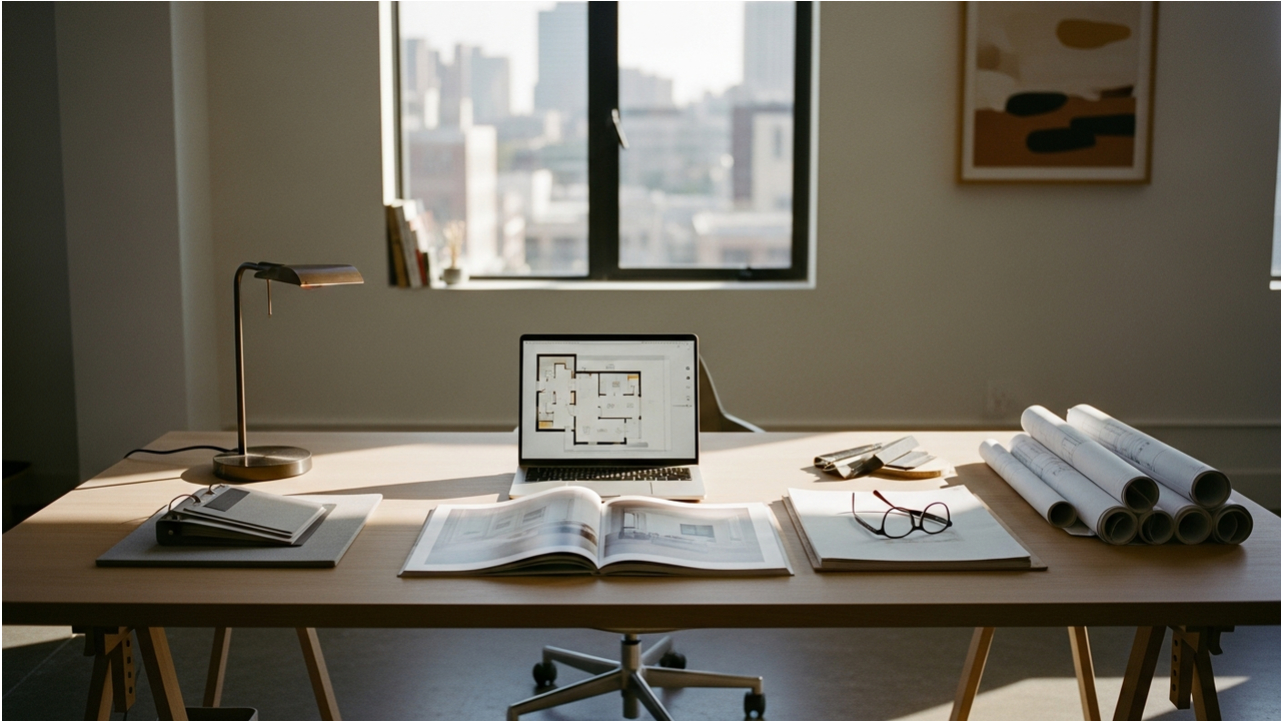
A single large-scale interior design project, like a hotel or hospital, can involve managing hundreds of different vendors, thousands of individual material and furniture selections, and budgets that run into the tens of millions of dollars.
How to Get Started
Getting started in interior design begins with training your eye to see the spaces around you. Paying attention to what makes a room feel good or uncomfortable, experimenting with color and arrangement in your own space, and learning to sketch and communicate your ideas visually are all early steps. The path from curious observer to professional designer is built on careful observation, constant practice, and the understanding that design is ultimately about people.
Explore the Basics
Walk through your home and pick one room that you think could feel better. Notice what you like about it and what you would change: the colors, the amount of light, where the furniture sits, and what is on the walls. Sketch a simple floor plan of the room on graph paper, placing each piece of furniture where it currently sits, and then sketch a second version showing how you would rearrange or change it. Learning to see a space on paper is one of the most important skills an interior designer develops.
Try It Out
Create a mood board for your dream bedroom using magazine cutouts, fabric swatches, paint chip samples, and printed images. Arrange everything on a large piece of cardboard or poster board and see whether the overall combination feels harmonious and exciting to you. Mood boards are one of the primary tools interior designers use to communicate and test their ideas before committing to materials or purchases.
Join the Community
Visit a furniture store, a model home, or a beautifully designed public space like a library or museum and pay close attention to the design choices you notice. Bring a small notebook and write down three things the designer did that you liked and one thing you would change. Many libraries carry design magazines like Architectural Digest or Dwell that let you explore professional design work for free.
How to Become a Interior Designer
Explore more resources for a future Interior Designer

Right at Home: How Good Design Is Good for the Mind: An Interior Design Book
Berk, Bobby
Why We Picked It
Career Connection
Interior designers consider both how a space looks and how it feels to inhabit it, and Berk's practical, psychology-informed approach introduces young readers to the essential idea that truly great interiors serve both the eye and the mind.

The Draper Touch: The High Life and High Style of Dorothy Draper
Varney, Carleton
Why We Picked It
Career Connection
Interior designers make deliberate, courageous choices about space, color, and atmosphere to create rooms that feel alive and beautiful, and Draper's career shows what happens when a designer commits fully and fearlessly to their own creative vision.

Home Is Where the Heart Is
Crawford, Ilse
Why We Picked It
Career Connection
Interior designers shape the spaces where people live their most private and important moments, and Crawford's human-centered philosophy reveals how great design begins with understanding people first and selecting finishes and furniture second.