Did You Know?
In 1912, a scientist named Casimir Funk invented the word "vitamine" by combining "vital" and "amine." Scientists later dropped the "e" once they learned that not all vitamins are amines.
The Numbers Behind the Career
The 2025 median annual salary for dietitians and nutritionist was $76,400.
There were about 86,300 dietitian and nutritionist jobs in the U.S. in 2025.
About 5,700 dietitian and nutritionist job openings are projected each year over the next decade.
Where This Career Is Headed
The field of nutrition is changing quickly as technology, science, and health care evolve. AI-powered apps and wearable devices, like continuous glucose monitors and smartwatches, can now track eating patterns and how the body responds in real time, giving dietitians richer information to personalize their advice. At the same time, the "food as medicine" movement, the growing use of new medications for weight and diabetes, and an aging population are increasing the need for trained experts who can guide people through complex health decisions. Telehealth has also let dietitians meet with clients almost anywhere, expanding access to expert nutrition care.

AI tools that help draft meal plans and analyze food records will free up more time for dietitians to listen, coach, and build relationships with clients.
The "food as medicine" movement, including produce prescriptions and medically tailored meals, is creating new roles for dietitians in hospitals, clinics, and community programs.
Telehealth and wearable technology will let dietitians reach families in rural areas and others who cannot easily visit an office, expanding access to expert care.

Education & Certification
Most dietitians and nutritionists earn a degree in nutrition, dietetics, or a related science, and anyone who wants to become a Registered Dietitian Nutritionist (RDN) now needs a graduate degree, usually a master's, at least 1,000 hours of supervised practice, and a passing score on a national exam. Many states also require a license to practice, though the rules vary from state to state. Students who want to start working sooner can earn an associate's degree through an accredited program, pass an exam, and become a Nutrition and Dietetics Technician, Registered (NDTR), supporting dietitians in hospitals, schools, and community programs. Other professionals earn the Certified Nutrition Specialist (CNS) credential, which also requires a graduate degree, 1,000 hours of supervised experience, and an exam. Once working, many dietitians add specialty certifications in areas like sports nutrition, pediatric nutrition, or diabetes care to deepen their expertise.
To Prepare...
Take biology, chemistry, health, and family and consumer sciences or culinary classes to build a strong foundation in how food and the body work.
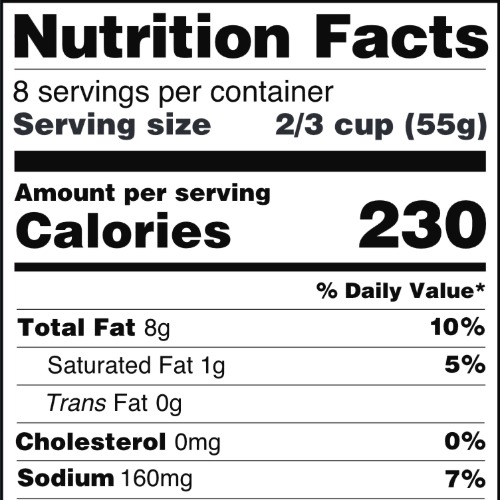
Practice reading recipes and Nutrition Facts labels, and learn basic cooking skills so you can turn nutrition knowledge into real meals.
Look for volunteer or job-shadowing opportunities at food banks, hospitals, or school nutrition programs, and research college programs in nutrition and dietetics accredited by ACEND (the Accreditation Council for Education in Nutrition and Dietetics).