Did You Know?
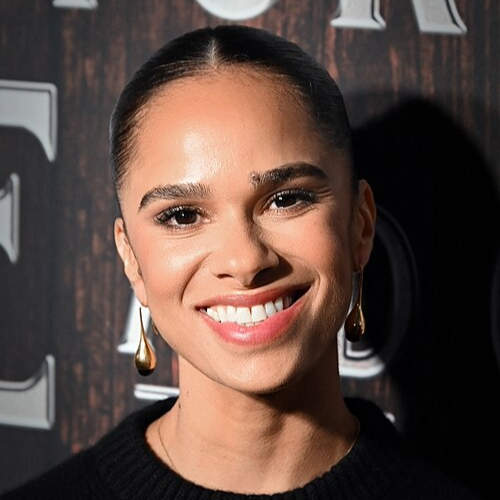
About 150 costumes appear on stage during every performance of New York City Ballet’s Nutcracker, and the production’s Christmas tree grows to 41 feet tall and weighs a full ton.
The Numbers Behind the Career
The median hourly wage is about $23.97 for dancers and $26.73 for choreographers.
About 17,000 dancers and choreographers are employed across the United States, roughly 12,300 dancers and 4,600 choreographers.
About 2,500 openings for dancers and choreographers are projected each year over the next decade.
Where This Career Is Headed
Dance is evolving alongside new technology, changing entertainment platforms, and a growing appreciation for movement-based wellness. Motion capture and AI-assisted choreography tools are giving dancers and choreographers new ways to design, refine, and even preserve movement, while social media and streaming platforms are creating fresh opportunities for dancers to reach global audiences outside of traditional stages. At the same time, growing interest in dance therapy and movement-based fitness is expanding where trained dancers can build careers. Over the next decade, dancers who blend strong technical training with comfort using digital tools and platforms will find the widest range of opportunities.
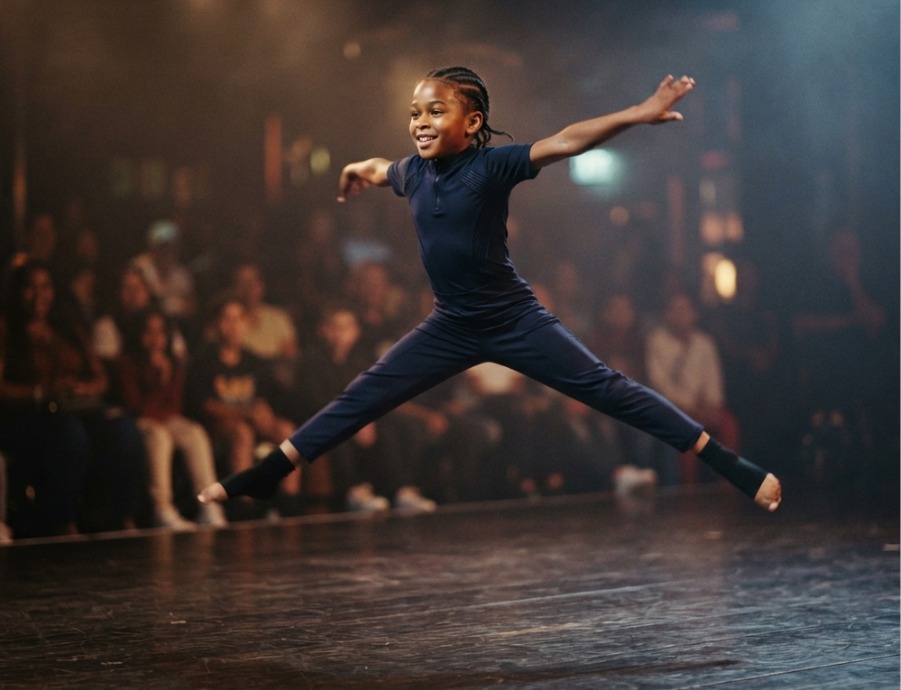
Social media and streaming platforms are giving dancers new ways to build an audience and career outside of traditional stages and companies.
Growing interest in dance therapy and movement-based wellness programs is creating new career paths for trained dancers in health and education settings.
Motion capture and AI-assisted choreography tools are opening new creative possibilities for dancers who want to work in film, video games, and animation.
Education & Certification
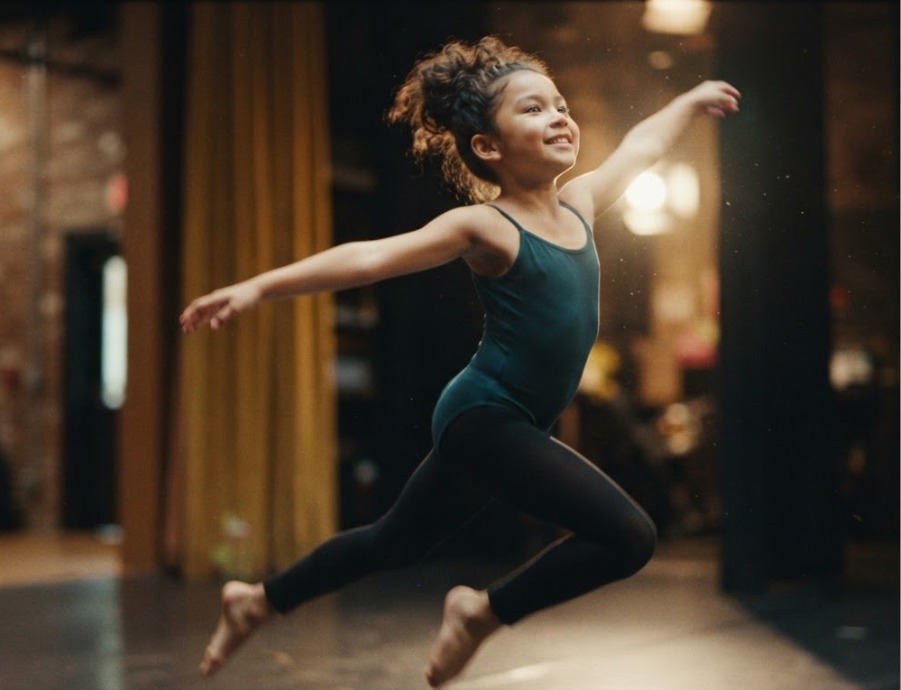
Most professional dancers begin training very early, often between 5 and 8 years old, since technique, flexibility, and strength take a long time to build. While a college degree is not required to perform professionally, many dancers study dance formally through pre-professional training programs, conservatories, or university dance departments that also teach choreography, dance history, and injury prevention. Choreographers and dance educators often pursue a bachelor's or master's degree in dance, especially if they hope to teach at the college level or lead a company. There is no single required certification to become a dancer, though teaching certifications, like those offered through certified dance education or fitness programs, can help dancers expand into instruction later in their careers.
To Prepare...
Start formal dance classes as early as possible in a style you enjoy, and stay consistent with practice.
Attend summer intensives or pre-professional training programs offered by dance schools and companies to build technique and audition experience.
Study dance history, music, and anatomy alongside your physical training to build a well-rounded foundation.