
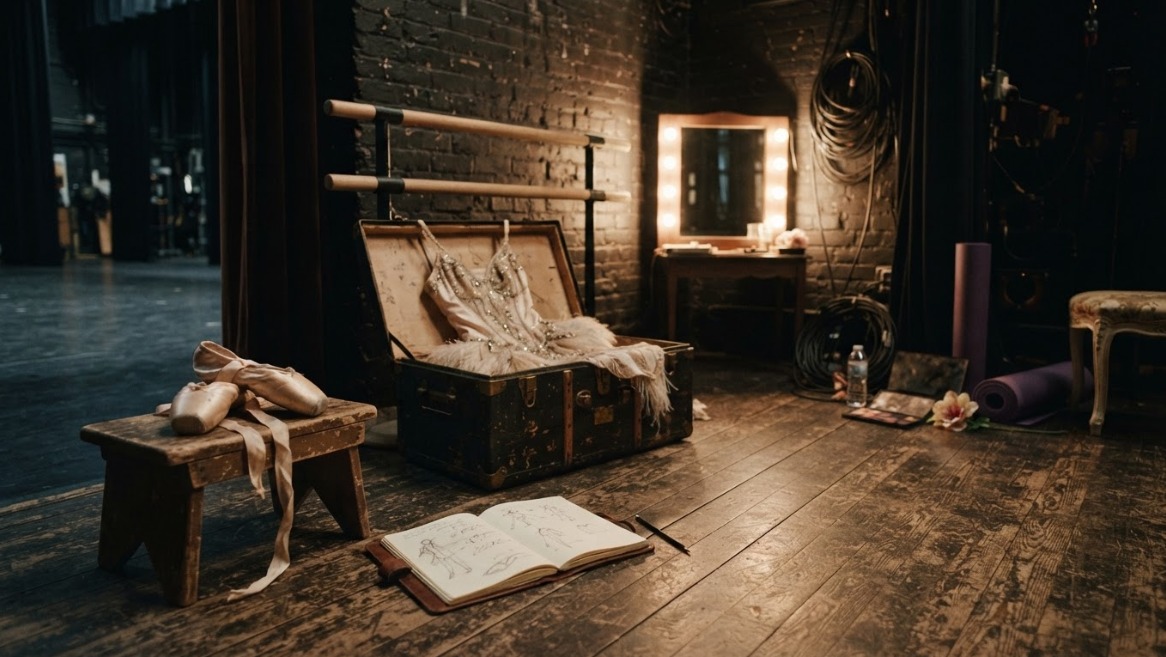
Did You Know?
About 150 costumes appear on stage during every performance of New York City Ballet’s Nutcracker, and the production’s Christmas tree grows to 41 feet tall and weighs a full ton.
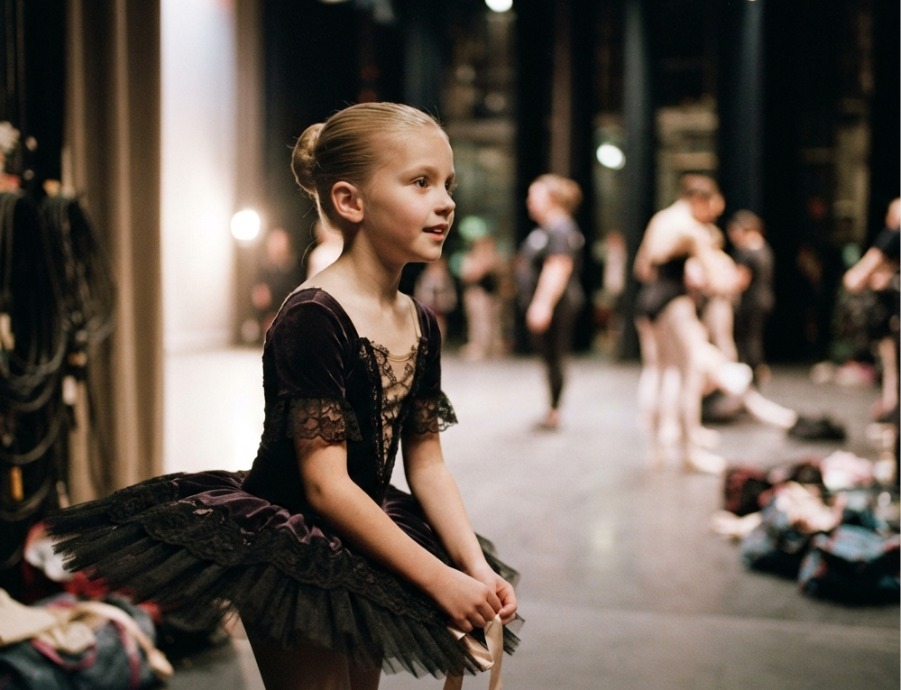
What Dancers Really Do
Have you ever felt so happy or excited that your body just wanted to move? Does music make you want to dance? Maybe you jumped, spun, or wiggled without even thinking about it. Dancers take that feeling and turn it into something amazing to watch. They use their whole body, from their toes to their fingertips, to tell a story or share an emotion without saying a single word. Dancers practice every day to train their bodies to do things that look almost like magic, like leaping high in the air or spinning without getting dizzy.
Imagine performing on a stage in a costume with your family in the audience cheering for you. Dancers perform in many places: on big stages, in movies, at concerts, and even in community parks. Some dancers focus on one style, like ballet or hip hop, while others learn many different styles. If you love moving to music, making up your own dance moves, or performing in front of others, you might already have the heart of a dancer.
You Might Love This If...
Skills That Follow You Everywhere
Dancers build much more than physical skill. Every rehearsal and performance strengthens abilities like communication, resilience, and teamwork- skills that carry into any path a dancer chooses later in life.
Resilience
Every dancer faces setbacks: a missed step, an injury, or auditioning for a role that goes to someone else. Learning to bounce back from these moments, adjust, and keep training builds real resilience. Dancers who see challenges as opportunities to learn and grow develop a mindset that serves them well beyond the studio, in dealing with stress, change, and any kind of adversity life brings.
Creativity
Dance asks dancers to be interpreters, not just executors. Two people can perform identical choreography and tell completely different stories through timing, energy, and expression. Dancers also create constantly, whether they are improvising in class, shaping a role, or choreographing their own work. That habit of taking a set of rules and finding something personal inside them is creative problem-solving, and it transfers to any field that rewards original thinking.
Communication
Dancers communicate in several ways, sometimes without saying a word. They express feelings and stories through movement, timing, and expression, while also listening closely to directors, choreographers, and fellow dancers to stay in sync. This kind of clear, attentive communication, both expressing yourself and actively listening to others, helps dancers succeed on stage and prepares them to collaborate well in any group setting. Performing requires working effectively with other dancers toward a shared goal.