Did You Know?
An airplane's "black box" is bright orange so searchers can find it in wreckage. It is built to survive an impact of 3,400 times the force of gravity and fire hotter than 1,000 degrees Celsius.
The Numbers Behind the Career
About 13,100 openings for avionics technicians, aircraft mechanics, and service technicians are expected each year over the next decade.
The median annual salary for this group of professionals was $82,280 in 2025.
There were about 19,800 avionics technicians, who are grouped among aircraft mechanics and service technicians (140,000) working in the United States in 2025.
Where This Career Is Headed
The Bureau of Labor Statistics expects growing demand for passenger travel and goods transportation to increase air traffic, and as the number of aircraft grows and their systems become more complex, more technicians will be needed to maintain them. That second point is why avionics is the faster-growing half of the field: each new generation of aircraft carries more electronics, more software, and more sensors than the last, and older aircraft are routinely upgraded with digital cockpits that replace mechanical instruments. BLS also notes that the growing space industry may add to the need for these technicians. The trade itself is shifting from purely electrical work toward troubleshooting integrated computer systems, which rewards technicians who keep learning.

Older private and commercial aircraft are routinely retrofitted with digital displays, satellite-based navigation, and new communications equipment. Avionics shops that do this work are a growing employer, and the Aircraft Electronics Association represents about 1,300 of them worldwide.
BLS points to the growing space industry as a source of demand, and aerospace manufacturers are already the largest employer of avionics technicians. Technicians who can work on new aircraft types, including spacecraft, will have the widest choices.
Technicians can advance to lead technician, inspector, or shop supervisor. Earning an FAA airframe rating, an ASTM Aircraft Electronics Technician certification, or an Inspection Authorization opens more responsibility and higher pay.
Education & Certification
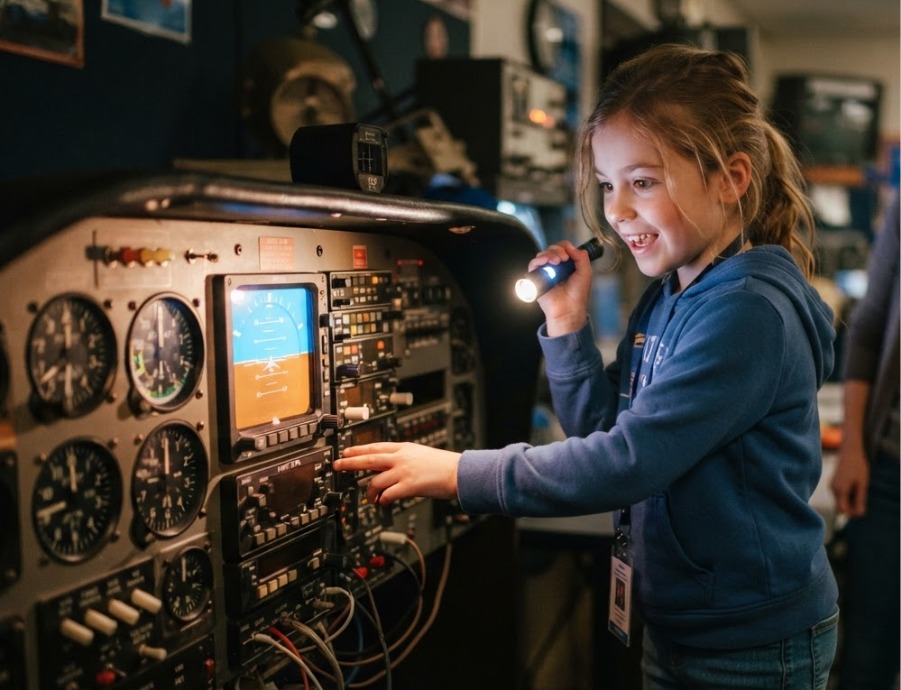
Avionics technicians usually complete a certificate from an FAA-approved aviation maintenance technician program or an associate degree at a community college, though some train on the job or in the military. The FAA requires a certified mechanic to perform aircraft maintenance or supervise it, and most employers prefer technicians with both airframe and powerplant ratings (an A&P certificate). Many avionics technicians hold at least the airframe rating so they can work on electronic and flight instrument systems, and those who work on radio equipment may also need a Federal Communications Commission license. The Aircraft Electronics Technician certification, developed by the Aircraft Electronics Association with ASTM International, is recognized by the FAA as equivalent to formal training for a repairman certificate, and experienced A&P mechanics can earn an Inspection Authorization to approve major repairs.
To Prepare...
Take algebra, physics, and any electronics, electrical, or computer class your school offers. Understanding circuits, voltage, and how signals move through a system is central to the job.
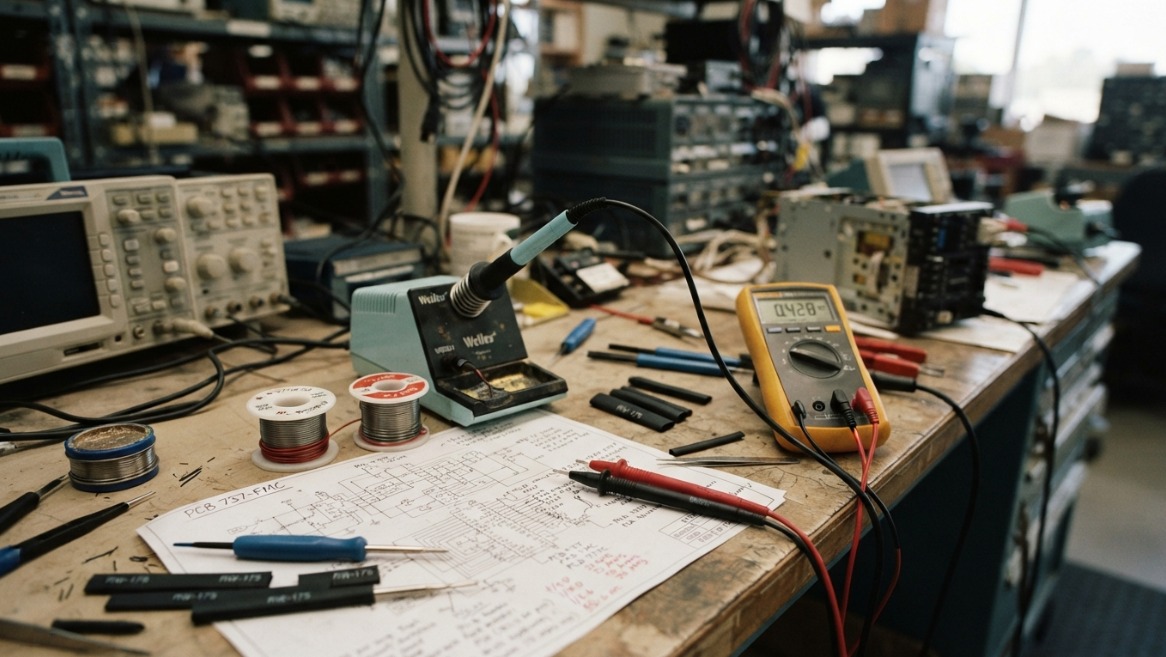
Build with electronics at home. Snap-together circuit kits, a beginner soldering kit, or an inexpensive microcontroller board will teach you to read a schematic, use a multimeter, and find a bad connection.
Research FAA-approved aviation maintenance technician schools and community college avionics programs, and ask which certifications their graduates earn. Programs near major airports often have the strongest employer connections.
Spotlight: Explore the Life of a Avionics Technician

Aircraft Electronics Association (AEA)
Learn More
Charles E. Taylor
Learn More