
Did You Know?
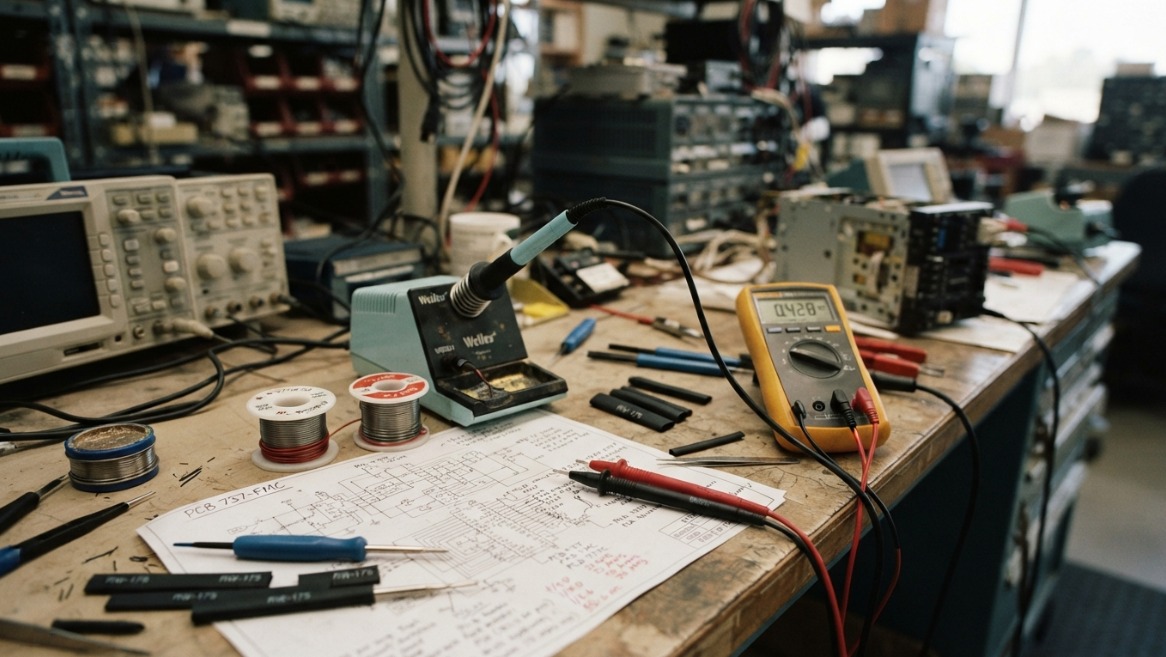
An airplane's "black box" is bright orange so searchers can find it in wreckage. It is built to survive an impact of 3,400 times the force of gravity and fire hotter than 1,000 degrees Celsius.
How to Get Started
Avionics rewards people who are curious about electronics, patient with detail, and drawn to aircraft. All three can be built long before you set foot in a hangar. Learning how circuits work, getting close to real airplanes, and practicing careful, documented work will put you ahead of most students entering an aviation maintenance program.
Explore the Basics
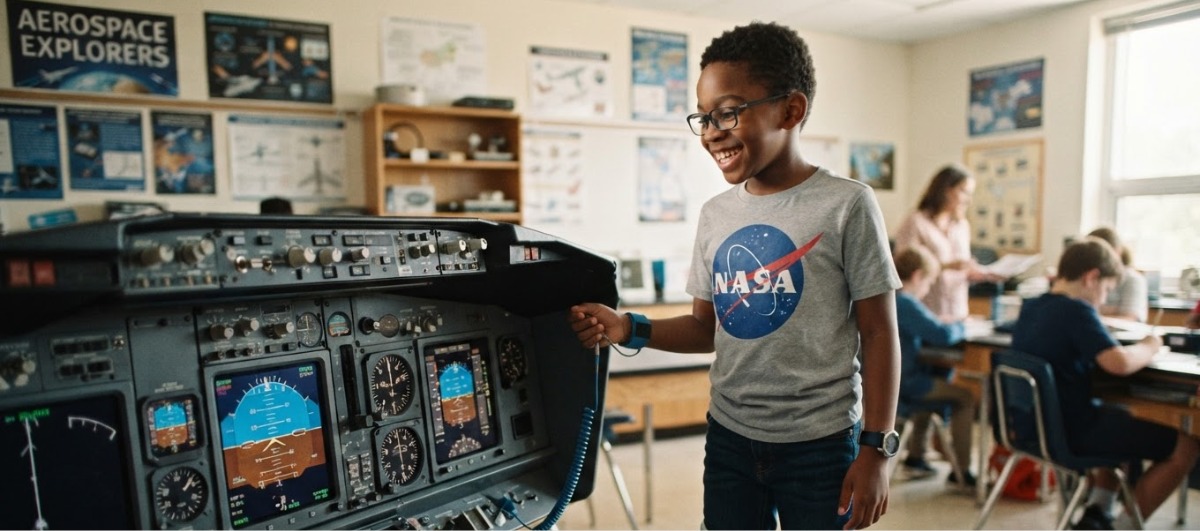
Learn what the parts of an airplane are called and what the pilot looks at. The altimeter shows height. The airspeed indicator shows speed. The compass and GPS show direction. The radio lets the pilot talk to the tower. Draw a cockpit and label the instruments. Then find out which of those instruments are electronic. The answer is almost all of them.
Try It Out
Ask for a snap-together electronics kit and build the projects in order: a light, a switch, a buzzer, a fan. Then take one project apart and put it back together without the instructions. When something does not work, do not shake it. Check each connection one at a time, the way a technician would. Finding the loose piece is the whole game.
Join the Community
Ask a parent to take you to an airport viewing area or a small airfield to watch planes take off and land. Many towns have an Experimental Aircraft Association chapter. Its Young Eagles program gives free flights in a real small airplane to kids ages 8 to 17. On the flight, look at the instrument panel and ask the pilot what each screen shows.