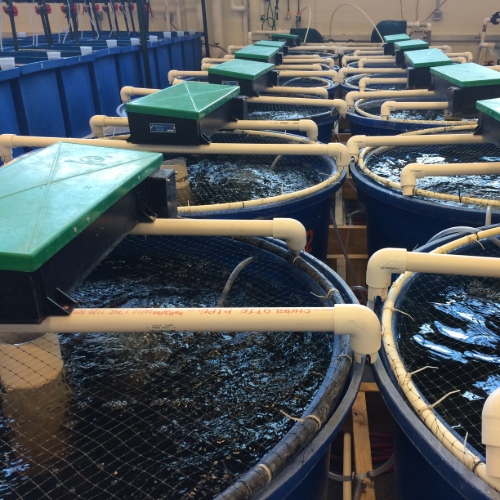
Did You Know?
About 70 to 80 percent of the salmon caught in the Pacific Northwest, and nearly a quarter of those caught in Alaska, started their lives in a hatchery.
The Numbers Behind the Career
About 31,200 job openings in this category are projected each year over the next decade.
The median annual salary for farmworkers caring for farm, ranch, and aquacultural animals in the U.S. as of 2025 was $36,670.
There were about 202,100 farmworkers caring for farm, ranch, and aquacultural animals in the U.S. as of 2025.
Where This Career Is Headed
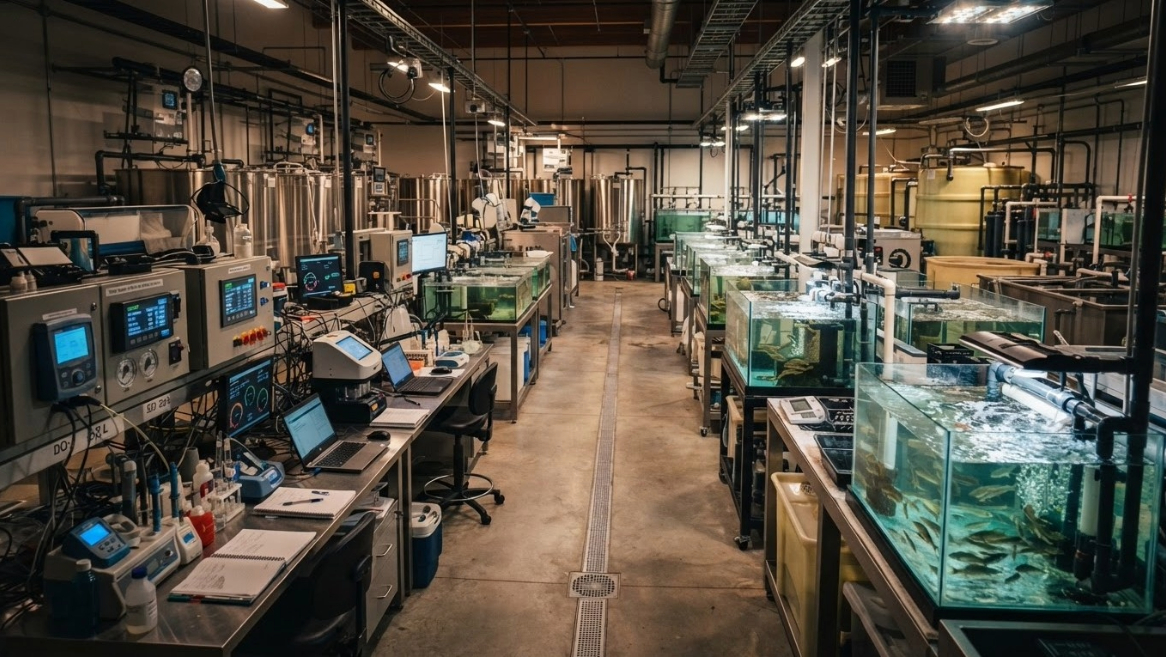
The next decade will bring more seafood farming onto land and more technology into every part of it. Indoor recirculating systems, which clean and reuse nearly all of their water, make it possible to raise salmon, shrimp, and other species hundreds of miles from the ocean and close to the cities that eat them, and these facilities need technicians who understand pumps, filters, and sensors as well as fish. Sensors and cameras that watch water quality and fish behavior around the clock are becoming standard, shifting part of the technician’s job from taking readings by hand to interpreting alerts and acting on them. Seaweed farming, which needs no feed or fresh water and can improve the water it grows in, is the fastest-growing part of the industry, while oysters, clams, and mussels already make up more than 80 percent of marine aquaculture in the United States. At the same time, warming oceans, disease, and strict environmental rules will keep raising the bar for how carefully farms are run, which puts a premium on well-trained technicians.
Land-based recirculating farms are opening in places with no history of seafood production, creating technician jobs far from the coast.
Seaweed and shellfish farms are expanding, and their role in cleaning coastal water is drawing new investment and new jobs.
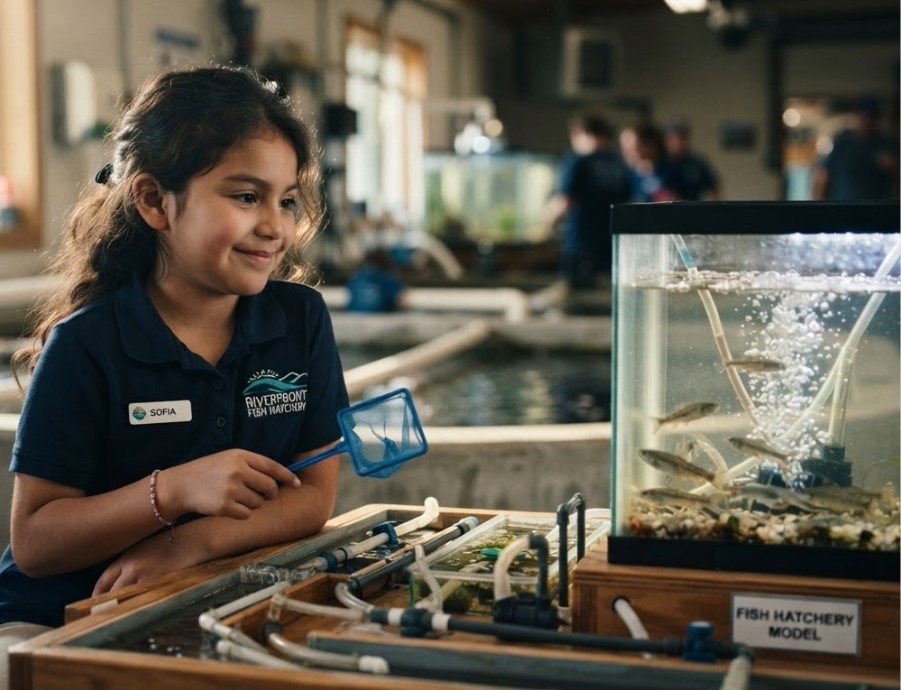
Hatcheries that rebuild wild fish populations and restore oyster reefs need technicians who can raise animals for release, not only for food.
Education & Certification
Many entry-level aquaculture jobs, especially at hatcheries and shellfish farms, are open to people with a high school diploma who learn on the job, and hands-on experience counts for a great deal in this field. Technicians who want to move up, or who work at research facilities, government hatcheries, and large indoor farms, often hold an associate or bachelor’s degree in aquaculture, fisheries technology, marine biology, or a related science, with coursework in fish biology, water chemistry, and the engineering of tanks and recirculating systems. Some colleges run their own working hatcheries or farms where students get practical training before they graduate.
Some credentials depend on the job. Technicians who handle boats may need a state boating safety certificate, and those who dive to inspect nets or shellfish gear need scuba training. Many employers require first aid and CPR, and farms that sell food must follow food safety and biosecurity rules that new hires must learn. Because the industry is changing quickly, technicians often continue learning through workshops offered by universities, extension services, and industry groups.
To Prepare...
Take biology, chemistry, and environmental science, since water chemistry and animal health are central to the job.
Build practical skills through any agriculture, shop, or technology course your school offers, because technicians fix and maintain the equipment they rely on.
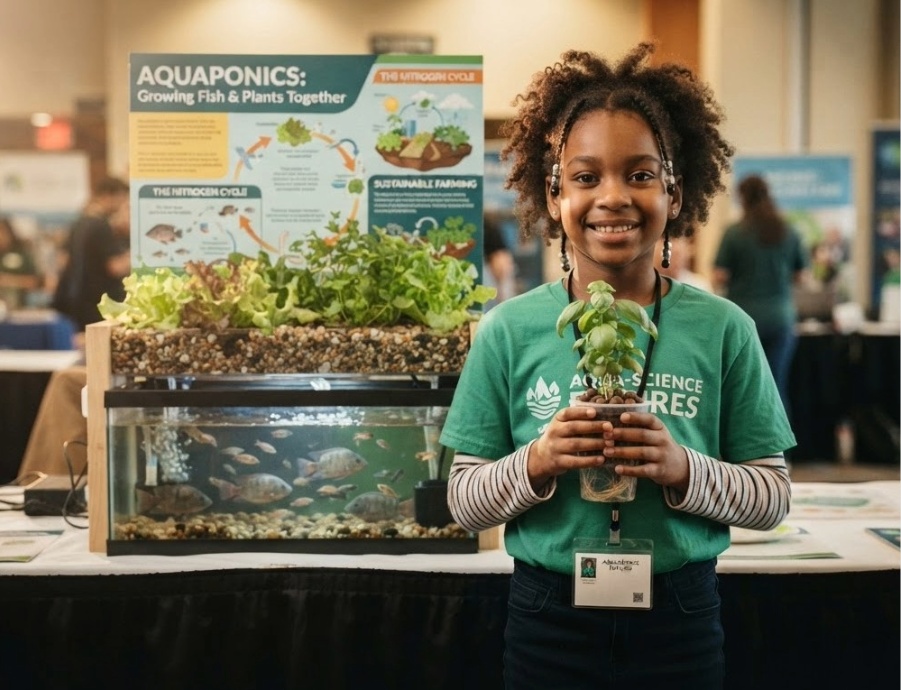
Join an FFA chapter, a 4-H club, or a school aquarium or environmental club, especially one that raises fish or runs a classroom hatchery program.