Photo: University of Washington, Public domain, via Wikimedia Commons
Who He Was
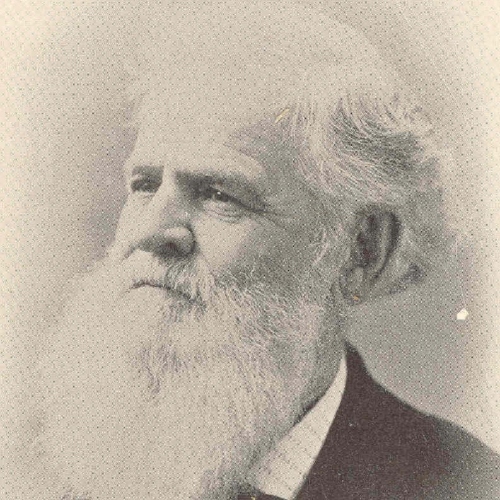
Seth Green (1817–1888) grew up along the Genesee River in Rochester, New York, learning to fish from his father and from the local Seneca people. He and his brother built a fish and game market in downtown Rochester that employed more than 100 people by 1857, and to keep it stocked, he spent long days on the shores of Lake Ontario. There, he watched Atlantic salmon spawning and began to wonder whether people could help fish reproduce instead of simply catching them. Drawing on his own observations, old writings on fish culture, and years of experiments, he developed a method he called “dry impregnation” that fertilized far more eggs than earlier techniques. In 1864 he built a small hatchery beside a spring creek in Caledonia, New York, the first in the Western Hemisphere. Between 1867 and 1869 he raised shad in the Connecticut River, and the 1870 catch there came in 60 percent larger than the biggest ever recorded. In 1868, he helped create New York’s Fish Commission and later served as its Superintendent of Fisheries.
Why He Matters
Green is commonly called the father of fish culture in North America, and the Fish Culture Hall of Fame enshrined him in 1987. His Caledonia hatchery, purchased by New York State in 1875, still operates more than 160 years later, making it a living link between the beginnings of American aquaculture and the technicians working in hatcheries today. His career shows that aquaculture began with careful observation of how fish live and reproduce, long before degrees or textbooks existed. It also shows how early the idea took hold that hatcheries could rebuild wild fish runs, work that state and federal hatchery technicians still do every year. He represents the practical, hands-on roots of the career.