

Did You Know?
Air traffic controllers are required to take a mandatory break every 90 to 120 minutes. This is not optional! The FAA requires these breaks because the job demands such intense concentration that fatigue could affect safety.
The Numbers Behind the Career
The median annual salary for Air Traffic Controllers is was $144,580 in 2025.
About 24,100 people work as Air Traffic Controllers in the United States.
About 2,200 job openings are projected each year through 2034.
Where This Career Is Headed
Air traffic control is being transformed by technology, though human controllers remain essential. The FAA's NextGen system is modernizing how aircraft are tracked and managed, using satellite-based surveillance for more precise positioning. While automation is increasing, the complexity of managing airspace, handling emergencies, and adapting to unexpected situations means skilled human controllers will remain critical. New challenges include integrating drones and future air taxis into controlled airspace.
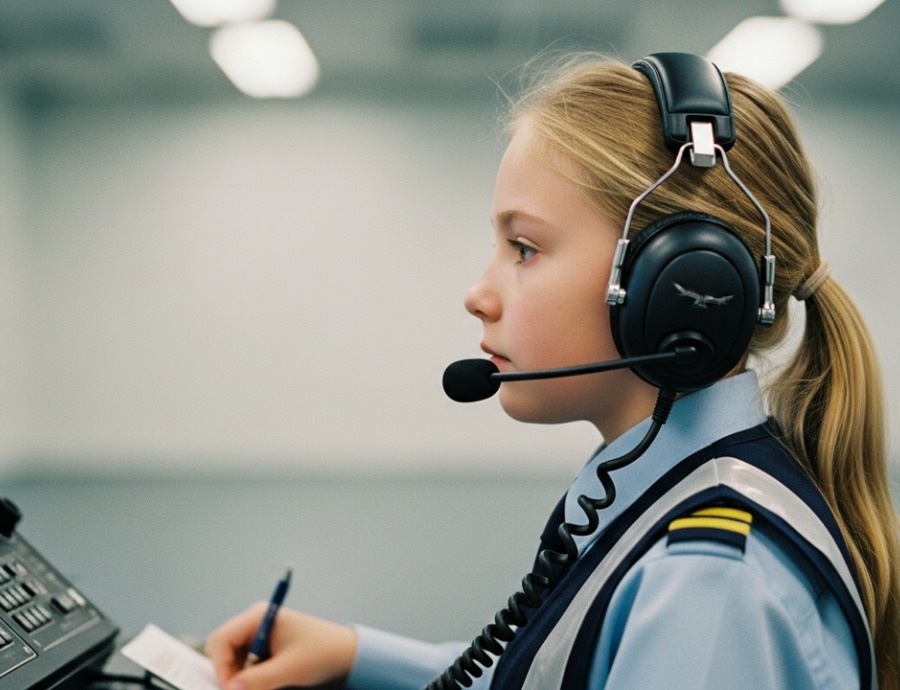
Drone and urban air mobility integration: As commercial drone delivery, air taxis, and electric vertical takeoff and landing (eVTOL) aircraft move from prototype to operational reality, entirely new categories of air traffic management are emerging. Controllers who develop expertise in managing mixed airspace with both traditional aircraft and autonomous vehicles will be at the forefront of a field that barely exists yet.
AI-augmented decision support: Next-generation systems will utilize AI to predict conflicts, optimize sequencing, and suggest routing in real-time. Controllers who learn to work effectively alongside these tools, trusting them where appropriate and overriding them when human judgment is needed, will handle greater complexity and volume than any previous generation of controllers.
Space launch integration: As commercial space launches increase in frequency, controllers will manage airspace closures, rerouting, and reentry corridors alongside regular commercial traffic. This growing intersection of aviation and spaceflight creates a specialized niche within air traffic control that didn't exist a decade ago.

Education & Certification
Air traffic control is one of the highest-paying careers that does not require a four-year degree. Candidates need either an associate's degree, three years of work experience, or a combination of education and experience. Many successful controllers complete programs at FAA-approved Air Traffic Collegiate Training Initiative (AT-CTI) schools. All candidates must pass rigorous FAA testing, medical exams, and background checks. Training continues at the FAA Academy in Oklahoma City, followed by extensive on-the-job training that can take two to four years.
To Prepare...
Focus on math and spatial reasoning skills. Controllers constantly calculate distances, speeds, and timing while visualizing three-dimensional airspace.
Practice clear communication. Speaking precisely and listening carefully are essential skills that you can develop now.
Consider an AT-CTI program if interested. These FAA-approved college programs can give you a competitive edge when applying and may shorten your training time.
Spotlight: Explore the Life of a Air Traffic Controller
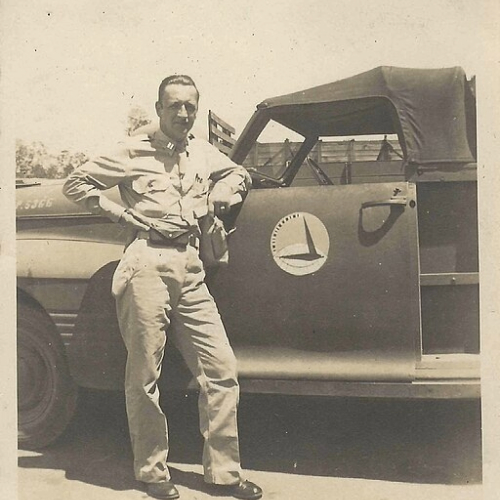
Archie League
Learn More
Women Pioneers in Air Traffic Control
Learn More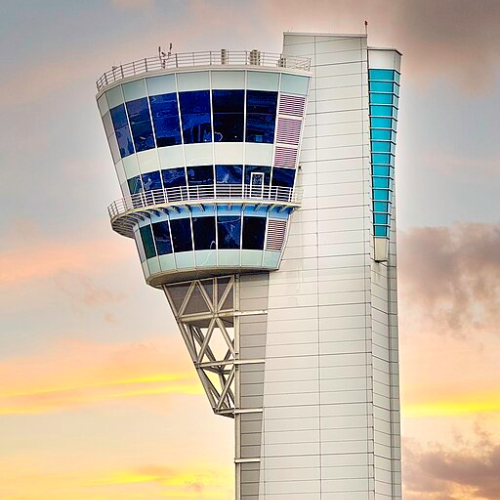
NextGen Air Traffic Control Technology
Learn MoreExplore more resources for a future Air Traffic Controller

Effective Study Skills For Air Traffic Control: Using Learning Styles To Boost Recall & Retention (Air Traffic Study Methods)
Sabo, Ms Kristi K
Why We Picked It
Career Connection
Air traffic controllers train through one of the most rigorous programs in aviation, and the science-backed learning strategies in this book are designed to help students keep pace with that high bar.

Fundamentals of Air Traffic Control
Nolan, Michael S.
Why We Picked It
Career Connection
Air traffic controllers are trained on airspace structure, radar technique, and separation standards before ever directing a plane, and this text gives students a serious head start on that demanding certification path.

Air Traffic Controller In Process: Blank Lined Journal Notebook For Future Air Traffic Controller
gifts, air traffic
Why We Picked It
Career Connection
Air traffic controllers depend on sharp mental organization and meticulous record-keeping, and maintaining a personal journal is a small, daily practice in the habits of clarity and structured thinking the career rewards.