
Did You Know?
Air traffic controllers are required to take a mandatory break every 90 to 120 minutes. This is not optional! The FAA requires these breaks because the job demands such intense concentration that fatigue could affect safety.

What Air Traffic Controllers Really Do
Have you ever watched airplanes fly overhead and wondered who makes sure they don't bump into each other? Air traffic controllers are like the traffic police of the sky! They monitor radar screens and talk to pilots on the radio, telling planes when to take off, which way to fly, and when it's safe to land. Without them, the busy skies would be a very dangerous place.
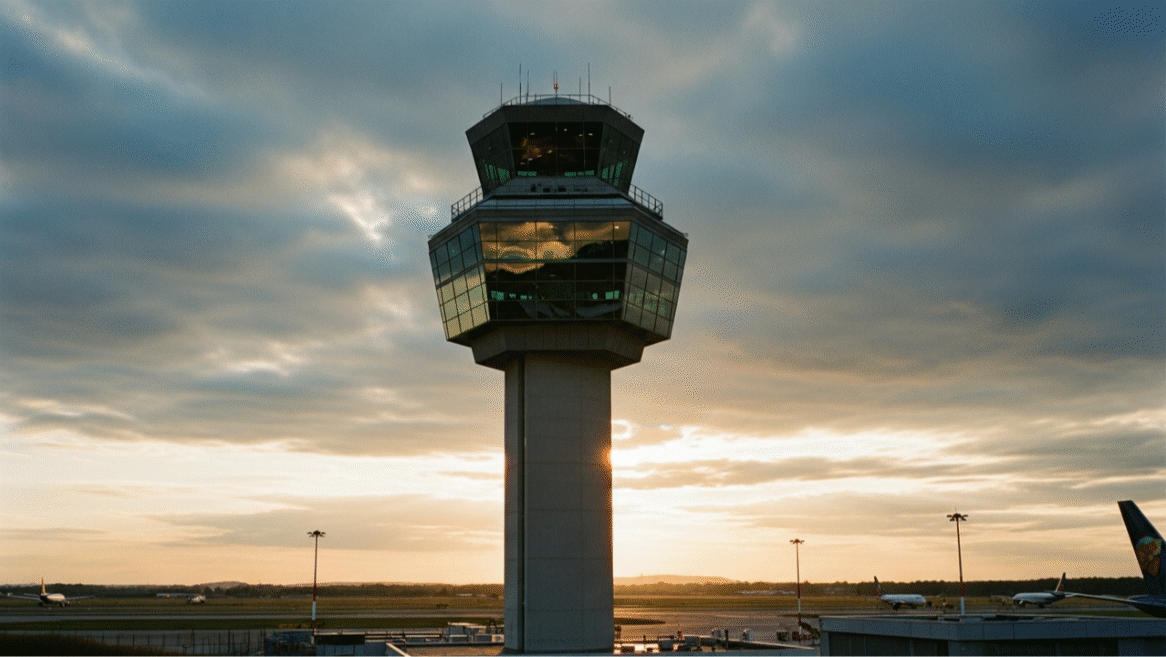
Imagine being the person who helps guide hundreds of planes safely through the air every day. Air traffic controllers sit in tall towers at airports or in special buildings with radar screens, watching blips of light that represent real airplanes full of people. They use their voices to give pilots directions, helping everyone arrive safely at their destinations. If you like solving puzzles, staying calm under pressure, and the idea of keeping people safe, you could be the one guiding planes through the sky someday!
You Might Love This If...

Skills That Follow You Everywhere
Being an air traffic controller helps you develop important skills useful in many careers, such as communication, problem-solving, and resilience. Controllers learn how to express themselves clearly, think through complex situations quickly, and bounce back from stressful moments. These skills are especially important in a controller's everyday work, where safely guiding aircraft, handling emergencies, and managing busy airspace are all significant.
Resilience
An air traffic controller uses resilience by staying calm and focused during stressful situations and bouncing back quickly after intense periods of work. Even during busy periods or emergency situations, controllers must maintain their composure and continue making sound decisions. They learn to recover from challenging shifts, manage the mental demands of the job, and return to work ready to perform at their best every day.
Problem-Solving
An air traffic controller uses problem-solving by quickly analyzing changing situations, such as weather disruptions or aircraft emergencies, and finding solutions that keep all planes safe. When unexpected events occur, controllers must consider multiple options, assess the positions of many aircraft simultaneously, and make decisions that prevent incidents while maintaining efficient traffic flow. This ability to solve complex problems under time pressure is at the heart of air traffic control.
Communication
An air traffic controller communicates clearly and precisely with pilots, using standardized phrases that leave no room for misunderstanding. Every instruction must be delivered calmly and understood correctly, whether directing a routine landing or managing an emergency situation. Controllers also listen actively to pilot responses, confirm that messages are received, and coordinate with other controllers to ensure everyone has the same information.
Explore more resources for a future Air Traffic Controller

Understanding Air Traffic Control
Ndayizera, Dieudonne
Why We Picked It
Career Connection
Air traffic controllers manage flights through every phase while navigating real workplace demands, and this gives older students both the technical grounding and the human reality of the role.

Life with a View: Memoir of an Air Traffic Controller
Smith, Robin A.
Why We Picked It
Career Connection
Air traffic controllers develop a specialized second language with pilots and use calm, dry humor to manage enormous stress, and this memoir captures both, the real texture of a career spent in the tower.

Effective Study Skills For Air Traffic Control: Using Learning Styles To Boost Recall & Retention (Air Traffic Study Methods)
Sabo, Ms Kristi K
Why We Picked It
Career Connection
Air traffic controllers train through one of the most rigorous programs in aviation, and the science-backed learning strategies in this book are designed to help students keep pace with that high bar.