

Did You Know?
AI can now compose music, write stories, create artwork, and even design new molecules for medicine. In 2018, an AI-generated portrait sold at Christie's auction house for $432,500, surprising the art world and sparking a global conversation about creativity and machines.
The Numbers Behind the Career
There were about 40,300 computer and information research scientists in the U.S. in 2024.
About 3,200 openings are projected each year over the next decade.
The median salary for AI research scientists as of 2024 was $140,910.
Where This Career Is Headed
Over the next decade, AI research will remain one of the fastest-evolving and most consequential fields in science and technology. Researchers are pushing toward systems that reason more like humans, understand context across multiple types of information, and operate safely in high-stakes environments such as healthcare and transportation. At the same time, the field faces growing scrutiny around fairness, transparency, and the environmental cost of training massive models.
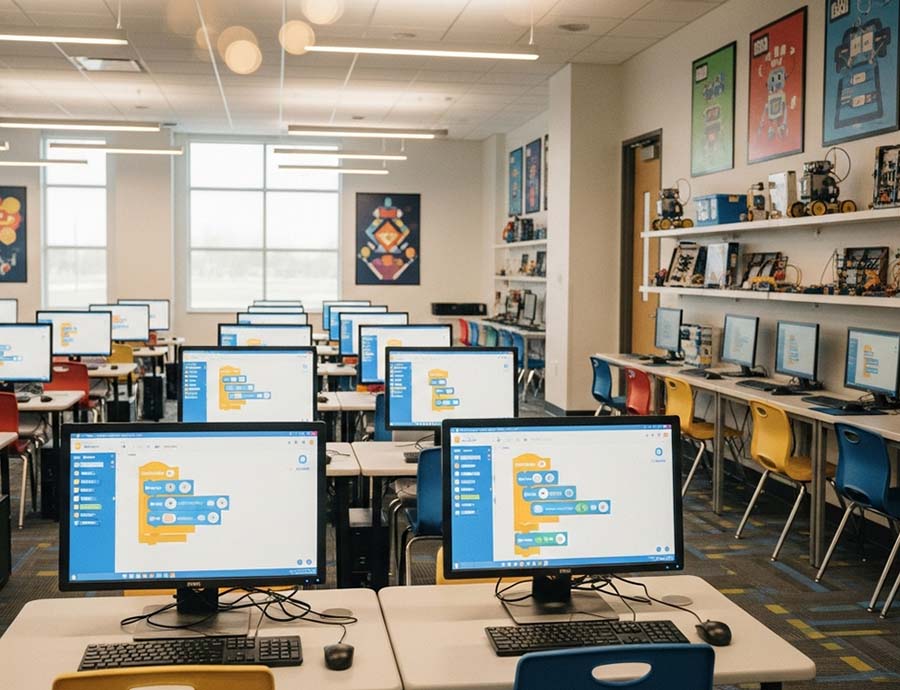
Multimodal AI: Researchers are building systems that combine vision, language, and audio understanding into unified models, opening new applications in robotics, accessibility, and scientific discovery.
AI for Science: AI is accelerating breakthroughs in drug discovery, materials science, climate modeling, and genomics, creating enormous demand for researchers who can apply AI to scientific domains.
AI Safety and Alignment: As AI systems become more powerful, a growing field of researchers focuses on ensuring these systems behave reliably, follow human intentions, and avoid harmful outcomes.
Edge AI and Efficiency: Researchers are developing smaller, more efficient models that can run on phones, cars, and medical devices without requiring massive data centers, making AI more accessible across settings.

Education & Certification
Most AI research scientists hold a master's degree or Ph.D. in computer science, artificial intelligence, machine learning, mathematics, or a related field. A doctoral degree is typically required for roles focused on fundamental research at universities, corporate research labs, or government institutions. Some applied research positions accept candidates with a master's degree and strong demonstrated skills.
To Prepare:
Take advanced math courses, including calculus, linear algebra, probability, and statistics, which form the mathematical foundation of AI and machine learning.
Study computer science fundamentals, including data structures, algorithms, and programming languages such as Python, which is the primary language used in AI research.
Explore introductory machine learning and AI courses on platforms such as Coursera, edX, or MIT OpenCourseWare.
Pursue a bachelor's degree in computer science, mathematics, statistics, or a related STEM field.
Gain research experience through internships, undergraduate research programs, or independent projects involving data analysis and model building.
Consider a master's or Ph.D. program specializing in machine learning, natural language processing, computer vision, robotics, or AI safety.
Stay current with research by reading papers, attending conferences, and participating in open-source AI communities.
Spotlight: Explore the Life of a AI Research Scientist
Explore more resources for a future AI Research Scientist
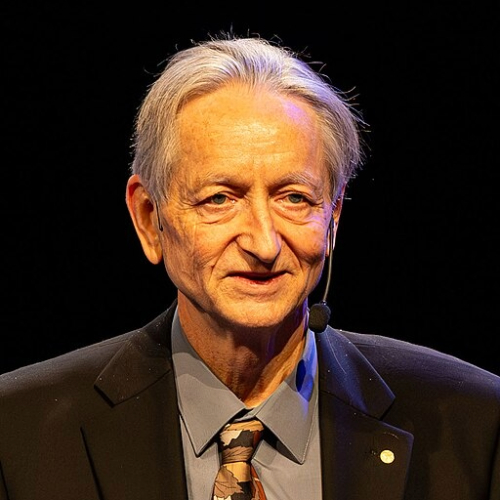
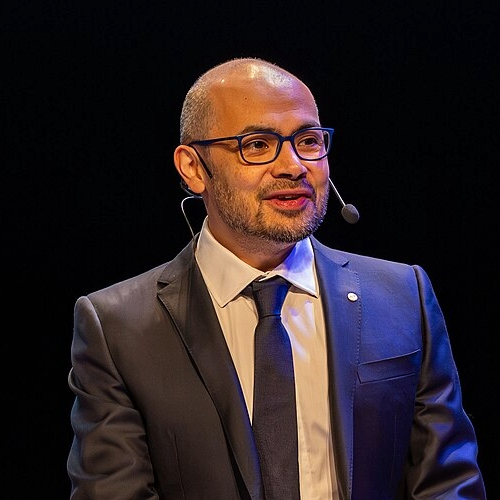
Demis Hassabis Biography: The Architect of DeepMind's AI Revolution
Why We Picked It
Career Connection
AI research scientists invent and train the systems that push the field forward, and Hassabis's path shows teens how blending neuroscience, coding, and bold questions leads to real breakthroughs like AlphaGo.
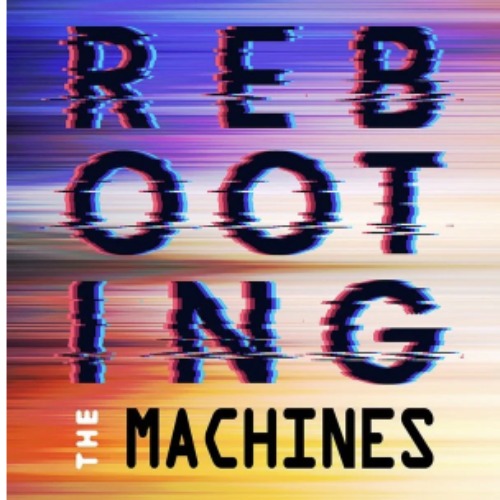
Rebooting the Machines: A New Human Vision for Artificial Intelligence
Why We Picked It
This book for parents and older teens shows that the future of AI will be shaped by the values people bring to it, and it comes from a roboticist who began her career at NASA’s Jet Propulsion Laboratory.
Career Connection
Artificial intelligence engineers design systems that learn from data and make decisions, and Dr. Howard’s book shows teens that building AI well takes more than code: it takes people willing to ask who the technology is really serving.

Machine Learning for Kids: A Project-Based Introduction to Artificial Intelligence
Lane, Dale
Why We Picked It
Career Connection
AI research scientists train models to learn from data, and building real projects in Scratch lets kids perform that same fundamental process, teaching a computer to learn, at a beginner level.