

Did You Know?
AI can now compose music, write stories, create artwork, and even design new molecules for medicine. In 2018, an AI-generated portrait sold at Christie's auction house for $432,500, surprising the art world and sparking a global conversation about creativity and machines.
How to Get Started
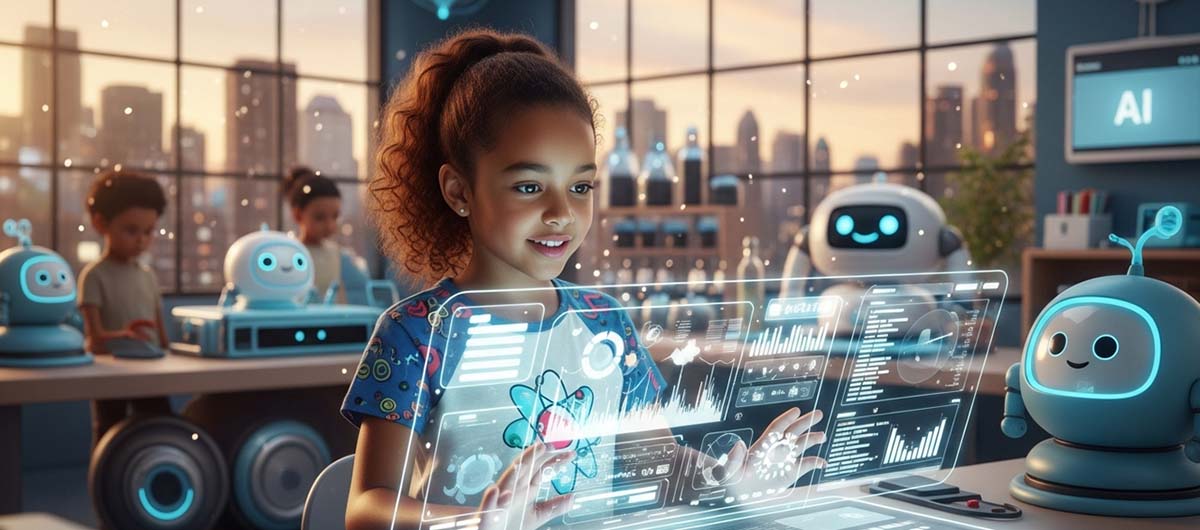
Getting started toward a career as an AI research scientist begins with exploring how computers learn, experimenting with logic and patterns, and developing the mathematical thinking and curiosity that drive every breakthrough in the field. These activities are designed for families to explore together and are organized by age to help you take meaningful first steps, whether you are playing your first coding game or training your first machine learning model.
Explore the Basics
Play the "Robot Game" with a family member. One person is the "programmer" and the other is the "robot." The programmer gives step-by-step instructions, like "take three steps forward, turn left, pick up the cup," while the robot follows only exactly what is said. This teaches you how computers need very precise instructions to do anything.
Try It Out
Create your own "training data" at home. Draw 20 simple pictures of cats and 20 simple pictures of dogs on index cards. Then shuffle them and have a family member sort them into two piles as fast as they can. Talk about what clues helped them sort, like pointy ears versus floppy ears, or whiskers versus no whiskers. This is exactly how AI learns to recognize images: by looking at many examples and finding patterns. You can also try Google's "Quick, Draw!" game online, where you draw objects and an AI tries to guess what you are drawing in real time, showing you how pattern recognition works.
Join the Community
Visit your local library and ask about books on coding, robots, and artificial intelligence for kids. Many libraries host free STEM programs, coding clubs, and robotics workshops where you can meet other kids interested in technology. Look for Hour of Code events at your school or community center, which offer free one-hour introductions to coding through fun games and puzzles. Ask a parent or teacher to help you explore Code.org, which offers free, age-appropriate lessons in computer science that build the foundations of the kind of thinking AI researchers use every day.
How to Become a AI Research Scientist
Explore more resources for a future AI Research Scientist

A Kids Book About AI
Shukla, Neha
Why We Picked It
Career Connection
AI research scientists shape a technology with enormous power and possibility, and this book invites kids to start thinking critically about that impact, the kind of big-picture awareness the field demands.
Demis Hassabis Biography: The Architect of DeepMind's AI Revolution
Why We Picked It
Career Connection
AI research scientists invent and train the systems that push the field forward, and Hassabis's path shows teens how blending neuroscience, coding, and bold questions leads to real breakthroughs like AlphaGo.
Rebooting the Machines: A New Human Vision for Artificial Intelligence
Why We Picked It
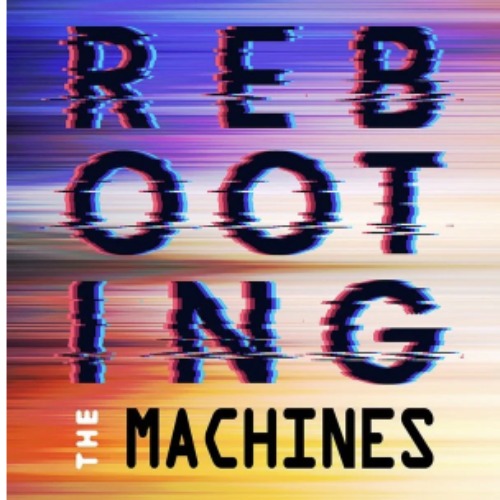
This book for parents and older teens shows that the future of AI will be shaped by the values people bring to it, and it comes from a roboticist who began her career at NASA’s Jet Propulsion Laboratory.
Career Connection
Artificial intelligence engineers design systems that learn from data and make decisions, and Dr. Howard’s book shows teens that building AI well takes more than code: it takes people willing to ask who the technology is really serving.