
Did You Know?
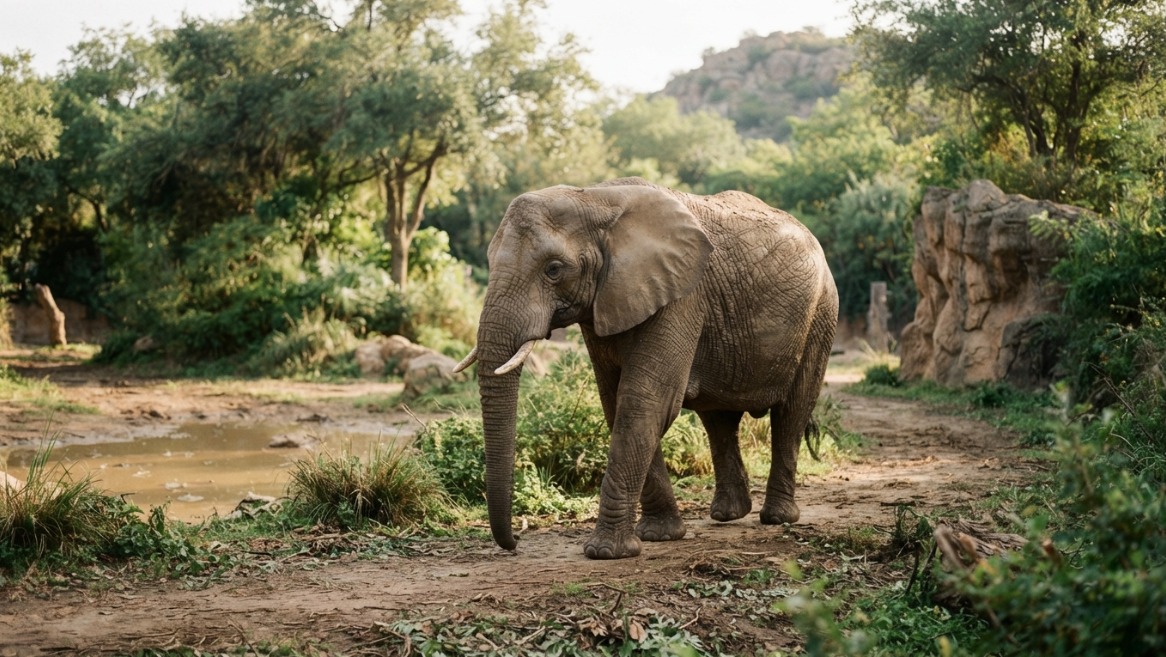
Experienced zookeepers can spot early signs of illness in an animal, like a slightly different walk or a change in how it interacts with the group, days before those changes would be obvious to anyone else, sometimes catching a health problem before any test would show it.
How to Get Started
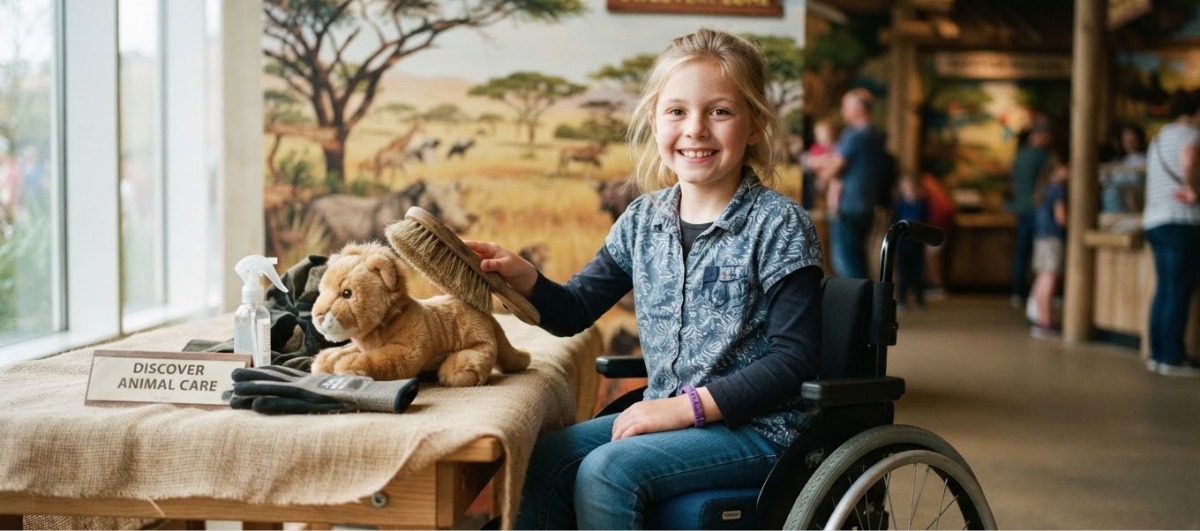
Getting started toward zookeeping begins with paying close attention to animals, whether that is a pet at home, a bird outside your window, or an exhibit at your local zoo. Building the patience to observe an animal closely and the habit of tracking what you notice are skills every zookeeper uses on the very first day of the job and every day after.
Explore the Basics
Pick one animal at a local zoo or aquarium and visit it more than once, comparing what it is doing each time you see it. Notice things like whether it is moving around, resting, eating, or interacting with other animals, and think about what might explain the difference between visits. Zookeepers pay attention to exactly these kinds of changes every single day, since noticing a pattern is the first step to understanding an animal.
Try It Out
Take care of a pet's daily needs for a week, like feeding, water, and playtime, and keep a simple chart tracking what you did each day. Notice how the pet responds differently depending on the time of day or what kind of attention it is getting. Sticking to a consistent care routine, even for just a week, is a small taste of the daily responsibility zookeepers carry for the animals in their care.
Join the Community
Visit a local zoo, aquarium, or nature center and ask a staff member what their favorite part of caring for animals is. Listen for details about their day-to-day work that you might not expect, like how much time goes into preparing food or writing notes about each animal. Asking real questions and listening closely to the answer is exactly how curiosity turns into knowledge in this field.