
Did You Know?
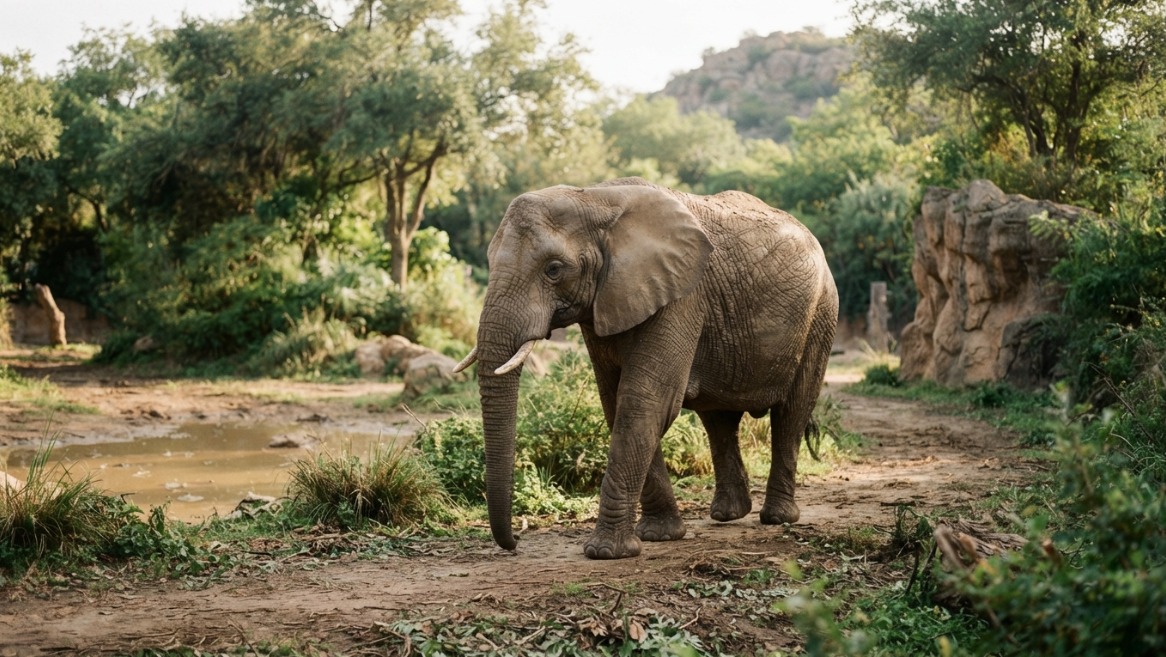
Experienced zookeepers can spot early signs of illness in an animal, like a slightly different walk or a change in how it interacts with the group, days before those changes would be obvious to anyone else, sometimes catching a health problem before any test would show it.
What Zookeepers Really Do
You stand outside the tiger enclosure early in the morning, before any visitors arrive, mixing up breakfast that includes a frozen “bloodsicle” treat and hiding pieces of meat around the yard so the tiger has to search for its food, just like it would in the wild. The tiger pads over, sniffing along the ground, and finds each hidden piece one by one while you watch and take notes on how she is moving today. Zookeepers are the people whose job is to care for animals at a zoo, making sure every animal is fed, healthy, and has an interesting, comfortable place to live. They know each animal in their care personally, including its favorite foods, its personality, and even the small signs that tell them if something is wrong. Their job combines a love of animals with careful, hands-on work every day.
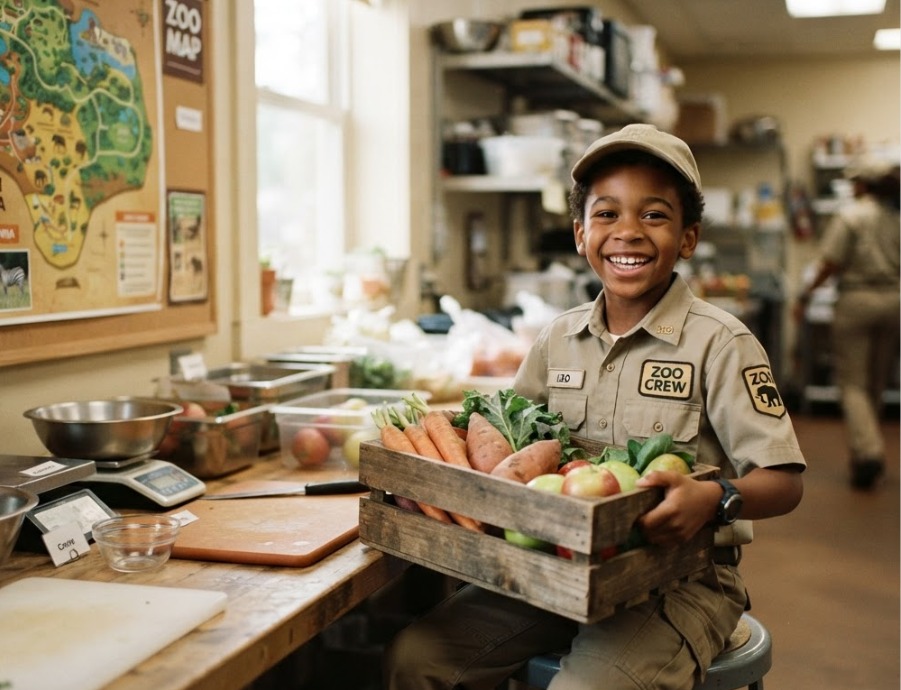
Zookeepers work with every kind of animal a zoo might have, from tiny frogs to elephants, and no two days look exactly the same. They clean habitats, prepare specially planned meals, help veterinarians check on animal health, and build “enrichment” activities that give animals something interesting to do, since a bored animal is not a happy animal. Some zookeepers specialize in one type of animal, like big cats or primates, and get to know that species extremely well over years of work. They also spend a surprising amount of time on paperwork, since every meal, medication, and behavior change gets logged so the whole team stays informed. If you love animals so much that you want to know everything about them, from what they eat to how they think, you might already be thinking like a zookeeper.
You Might Love This If...
Skills That Follow You Everywhere
Zookeepers develop skills that go far beyond knowing how to feed and clean up after animals. They learn to work as part of a coordinated care team, keep meticulous records that other people's decisions depend on, and stay steady through the harder parts of caring for living creatures over years. These abilities are valuable in any career built around detailed, collaborative, hands-on responsibility.
Resilience
Caring for animals over years means eventually facing the loss of one you have known and cared for that entire time, and the physical work itself, cleaning habitats and hauling feed in extreme heat or cold, never gets easier just because you have done it for a long time. A zookeeper has to process that grief and physical exhaustion while still showing up the next morning ready to give every other animal in their care full attention. Resilience is what allows a zookeeper to keep doing physically and emotionally demanding work for an entire career without losing the care that brought them to it in the first place.
Teamwork
No single zookeeper manages an animal's care alone; a healthy diet, an accurate medical history, and a well-designed habitat all depend on keepers, veterinarians, and nutritionists trusting each other's expertise and communicating constantly. When an animal's behavior changes, the keeper's daily observations become the first clue a vet uses to start investigating, and a breeding recommendation from a national coordinating program only works because zoos across the country share data honestly with each other. Teamwork means recognizing that the best animal care always comes from multiple types of expertise working together, not from any one person knowing everything.
Organization
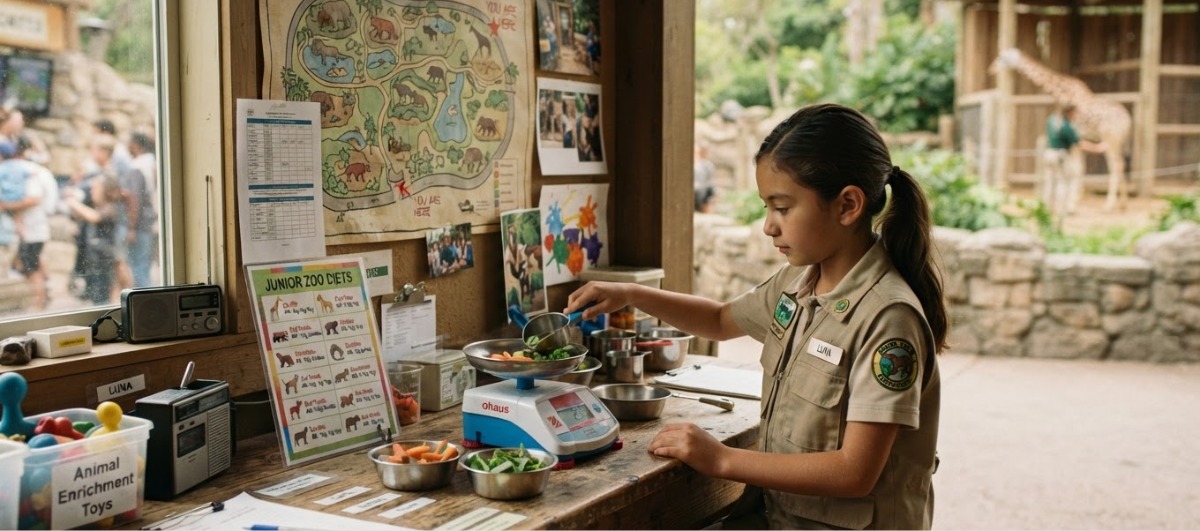
Every animal in a zookeeper's care needs a precisely measured diet, a documented medical history, and detailed behavioral notes that get referenced for years, sometimes decades, after they are written. A missed log entry or a diet mixed up between two similar-looking animals can have serious consequences, so keepers track an enormous amount of specific, individualized information without room for shortcuts. Organization is what allows a zookeeper to manage dozens of animals, each with their own needs, without losing track of a single one.