
Did You Know?
A border collie named Chaser learned the names of 1,022 toys after three years of training. She could pick out any one of them by name.
What Animal Trainers Really Do
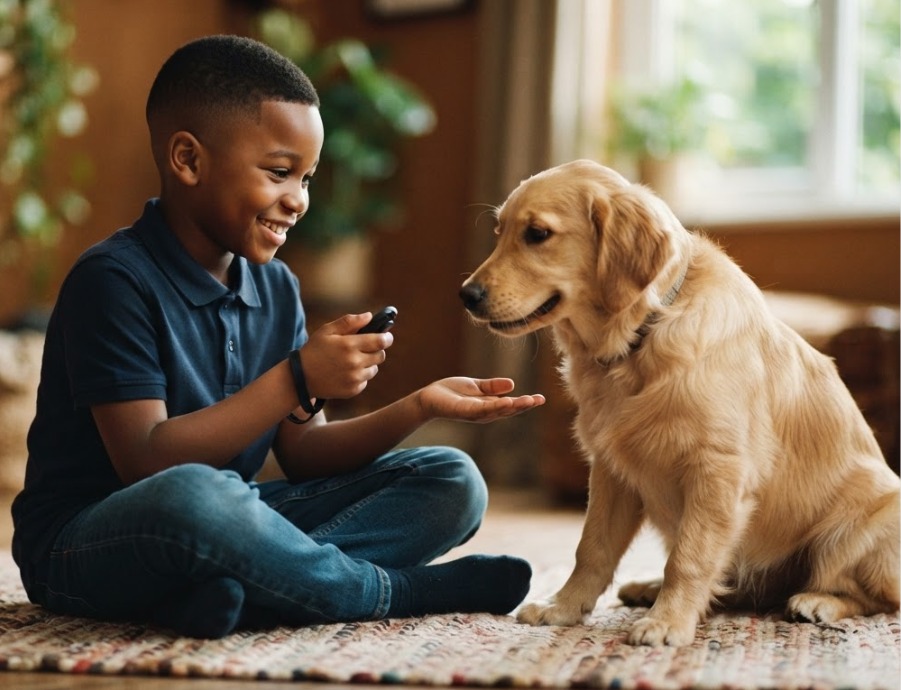
Imagine you are helping a puppy learn to sit. You hold a tiny treat, wait for the puppy's bottom to touch the floor, and then cheer and hand over the treat. Try it again and again, and soon the puppy sits as soon as you ask. That is what animal trainers do every day. Animal trainers build relationships with animals and teach them skills using patience, kindness, and a deep understanding of how animals think and feel. They work with pets, service dogs, zoo animals, horses, dolphins and sea lions, and even animals that appear in movies and television shows.
Thinking as an animal trainer starts with paying close attention to how animals behave. Why does a cat flick its tail? Why does a dog tilt its head when it hears a new sound? Animal trainers are curious observers who notice the small signals animals use to communicate. If you love spending time with animals, feel proud when a pet learns a new trick, or wonder how animals at the zoo know when it is feeding time, you are already thinking the way animal trainers think.
You Might Love This If...

Skills That Follow You Everywhere
Working as an animal trainer builds skills that extend far beyond the direct work with animals. Trainers learn to communicate clearly, work effectively with others, and adapt quickly when things do not go as planned. These are capabilities that strengthen every relationship, career, and leadership opportunity you will ever encounter.
Adaptability
Animals do not follow scripts. A training session that went perfectly yesterday might fall apart today because the animal is tired, distracted, or simply not in the mood. Animal trainers learn to read the situation, adjust their approach in real time, and stay calm when things do not go as expected. This flexibility and willingness to try new strategies when old ones stop working is a powerful skill that helps people handle change and uncertainty in every part of life.
Teamwork
Animal trainers rarely work alone. They collaborate with veterinarians, zookeepers, shelter staff, pet owners, film crews, and fellow trainers to reach shared goals. A service dog trainer works with the person who will eventually rely on that dog every day. A marine mammal trainer works alongside biologists and animal care specialists to protect each animal's health and well-being. Learning to work toward a common goal with a diverse team is one of the most transferable skills any career can offer.
Communication
Animal trainers must express ideas clearly and listen carefully, not only to the people they work with, but to the animals in their care. They learn to read body language, adjust their tone and timing, and give feedback in ways that build trust. Whether they explain a training plan to a pet owner, coordinate with a veterinary team, or present at a conference, strong communication underpins everything they do.