Did You Know?
A border collie named Chaser learned the names of 1,022 toys after three years of training. She could pick out any one of them by name.
The Numbers Behind the Career
There were about 47,800 animal trainers in the U.S. as of 2025.
The median annual salary for animal trainers in the U.S. in 2025 was $39,990.
About 6,500 animal trainer job openings are projected each year over the next decade.
Where This Career Is Headed
Technology and changing public attitudes are reshaping animal training. Smart collars and other wearable devices can now track an animal's activity, sleep, and some vital signs, such as breathing rate, giving trainers and owners more information about how an animal is doing from day to day. Public attitudes toward animals in entertainment have also shifted. Ringling Bros. retired its performing elephants in 2016, and that same year SeaWorld announced it would end its orca breeding program and its theatrical orca shows. These changes are pushing the profession toward science-based, reward-based methods and toward roles focused on animal health, enrichment, and service work. Trainers who combine hands-on skill with scientific knowledge and comfort with new technology will be best positioned to lead the field forward.

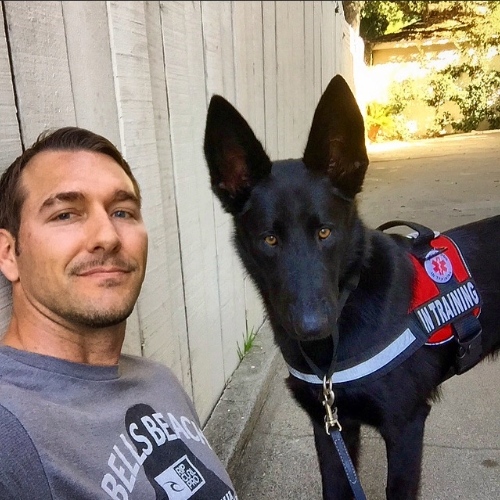
Service dog organizations, which train dogs to assist veterans and people with disabilities, need skilled professional trainers to prepare dogs for this demanding work.
Wearable trackers and video tools give trainers more ways to measure an animal's progress and fine-tune training plans over time.
Zoos and aquariums use cooperative care training to teach animals to take part in their own health checkups, which creates roles for trainers who specialize in science-based methods and animal enrichment.

Education & Certification
Most animal trainers need at least a high school diploma, though the path varies by specialization. Dog trainers and horse trainers often learn by working alongside an experienced trainer, and some take courses at community colleges or private training schools. Marine mammal trainers usually need a bachelor's degree in marine biology, animal science, biology, or a related field. Zoo and aquarium jobs often call for a four-year degree along with hands-on volunteer or internship experience. Ongoing education in animal behavior science helps trainers stay current with best practices.
Certification is not required for most animal training jobs, but professional credentials can help trainers show their knowledge and stand out. The Certification Council for Professional Dog Trainers (CCPDT) offers the widely recognized CPDT-KA credential. The International Marine Animal Trainers' Association (IMATA) provides resources and professional development for marine mammal trainers.
To Prepare...
Take classes in biology, psychology, and animal science to build a foundation in how animals learn and behave.
Volunteer at animal shelters, stables, or other animal care organizations that accept volunteers your age to gain hands-on experience with a variety of animals.
Research apprenticeship opportunities with professional trainers in your area, and look into certification programs like the CPDT-KA to understand the credentialing path.