

Did You Know?
Adult dogs have 42 teeth, 10 more than most adult people. Cats get by with just 30.

What Veterinary Technicians Really Do
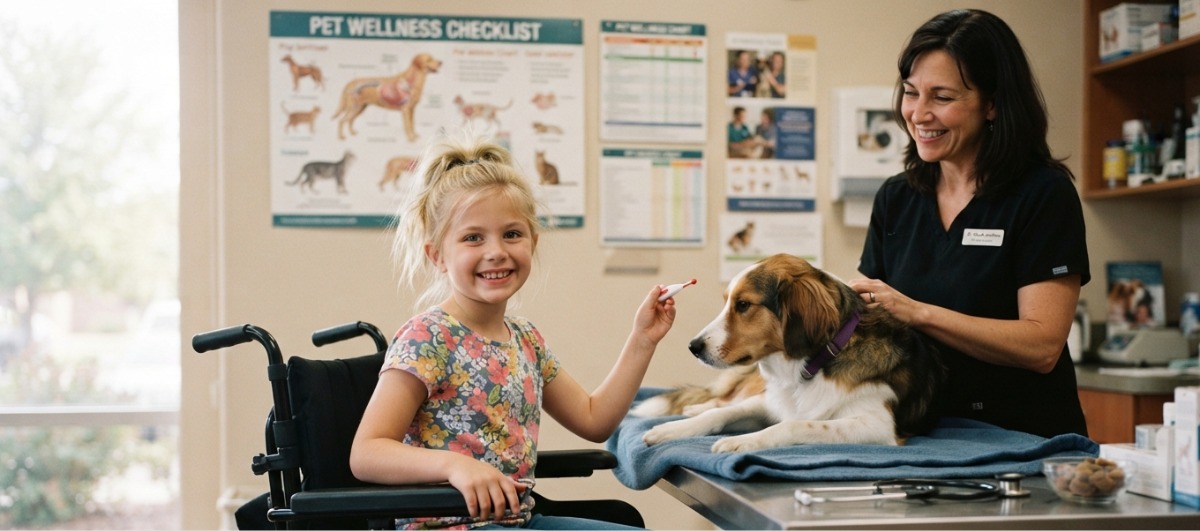
Have you ever taken a pet to the veterinarian and watched the person who weighed your dog, took its temperature, or held it gently during an exam? That person may have been a veterinary technician. Vet techs are the hands-on helpers who work alongside veterinarians to keep animals healthy. They give shots, clean teeth, take X-rays, run lab tests, and comfort animals who are nervous or in pain. They work with pets like dogs and cats, but also with horses, farm animals, zoo animals, and even wildlife.
Thinking like a vet tech starts with being observant and calm around animals. It means noticing when a pet seems scared and knowing how to help it feel safe. It means paying attention to small details, like whether an animal is eating less than usual or moving differently. If you get excited about learning how animals' bodies work, stay calm when things get messy, and feel proud when you help an animal feel better, you are already building the skills vet techs use every day.
You Might Love This If...
Skills That Follow You Everywhere
Working as a veterinary technician builds skills that reach far beyond the clinic. Vet techs learn to communicate clearly and kindly, work effectively on high-pressure teams, and adapt quickly as situations change. These skills strengthen every career, relationship, and leadership opportunity that follows.
Adaptability
No two days in a veterinary clinic look the same. A routine checkup can turn urgent when a vet tech notices an unexpected heart murmur. A scheduled dental cleaning might reveal a problem that needs immediate attention. Vet techs learn to shift priorities quickly, stay calm under pressure, and find solutions when plans change without warning. This ability to adapt and think on your feet serves people well in every area of life.
Teamwork
Veterinary medicine is a team effort. During a surgery, a vet tech may manage anesthesia while the veterinarian operates and another team member handles instruments. In a busy clinic, vet techs coordinate with receptionists, assistants, and veterinarians to keep patients moving safely through their appointments. Learning to work in sync with others under pressure, respect different roles, and support teammates through long, demanding days is one of the most valuable skills this career builds.
Communication
Vet techs must express themselves clearly and listen carefully in every interaction. They explain medical information to pet owners in ways that are easy to understand, give veterinarians precise patient updates, and speak calmly with anxious families during emergencies. They also "listen" to their patients by carefully watching body language and vital signs. This combination of clear speaking and close observation builds trust with clients and coworkers alike.