
Did You Know?
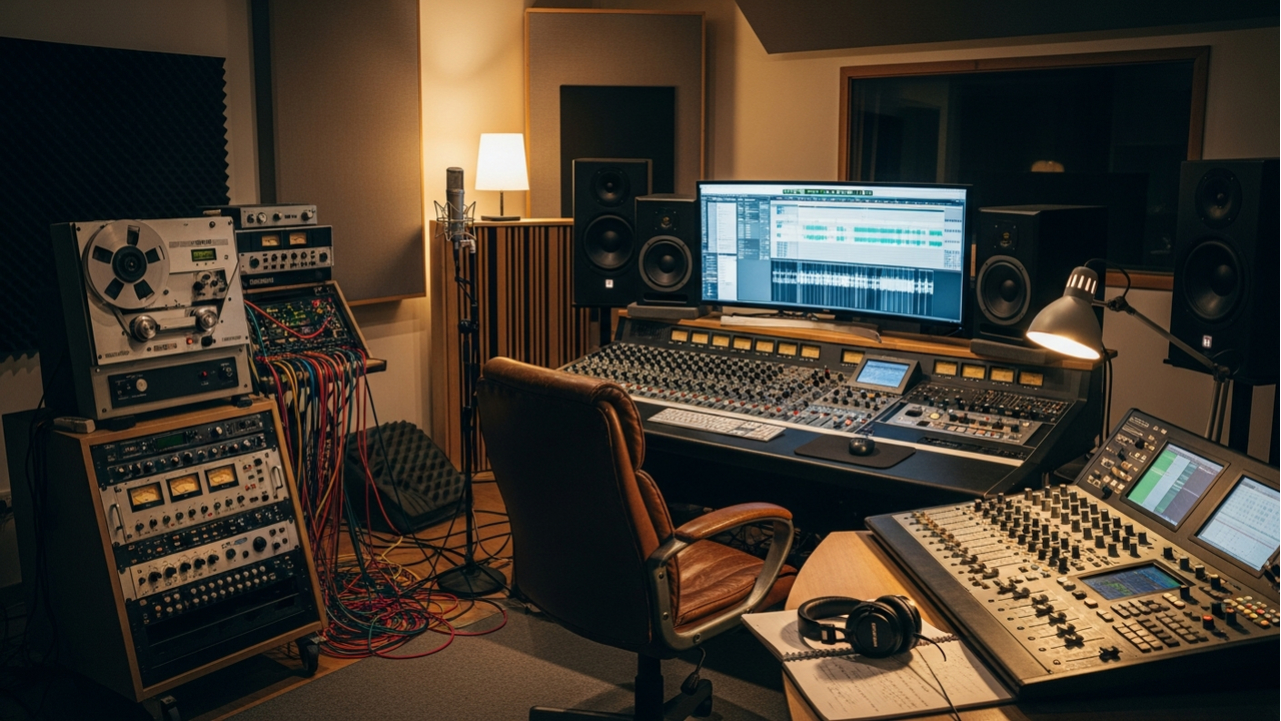
Before Les Paul invented multitrack recording in the late 1940s, every song had to be performed live in a single take by every musician at once. His invention made it possible to record each instrument and voice separately and combine them later, which is how virtually all music, film soundtracks, and podcasts are produced today.

How to Get Started
Getting started toward a career in sound design begins with learning to listen differently. Sound designers develop an awareness of the audio world around them long before they ever touch professional equipment. The activities in this section are designed to build that awareness, along with practical skills in recording, editing, and storytelling through sound.
Explore the Basics
The next time you watch a movie or show, close your eyes during a scene and just listen. What sounds do you hear besides the characters talking? Can you hear footsteps, background music, birds, wind, traffic, or doors? Now open your eyes and watch the same scene again. Notice how much of what you felt was influenced by what you heard. After watching, try a listening walk with your family: go outside and stand still for two minutes with your eyes closed. Count how many different sounds you can identify. Sound designers start by becoming exceptional listeners, and you can begin practicing that skill right now.
Try It Out
Try making your own Foley sound effects at home. Ask a parent to read a short story out loud while you create the sounds that go with it using objects from around the house. If the story mentions someone walking, tap your fingers on a table. If it mentions rain, shake a bag of rice. If a door closes, clap a book shut. Record the whole thing on a phone and play it back. You have just done what professional Foley artists do every day in movie studios!
Join the Community
Visit a local music store or recording studio and ask someone who works there to show you how microphones, speakers, and soundboards work. Many studios and music shops welcome curious visitors and are happy to explain the basics of how sound is captured and shaped. Bring a notebook and write down one thing you learned and one question you still want answered.
How to Become a Sound Designer
Explore more resources for a future Sound Designer

Les Paul: The Lost Interviews: Five Never-Before-Published Talks With a Guitar Genius
O'Donnell, Jim
Why We Picked It
Career Connection
Sound designers work with the digital descendants of Les Paul's multitrack technology every day, and hearing him reflect in his own words on his inventions connects the tools of modern audio production directly to the curious, tinkering mind that created them.

Guitar Genius: How Les Paul Engineered the Solid-Body Electric Guitar and Rocked the World (Children’s Music Books, Picture Books, Guitar Books, Music Books for Kids)
Tomsic, Kim
Why We Picked It
Career Connection
Sound designers work in studios built on the multitrack recording technology Les Paul invented, and his story of turning curiosity and experimentation into transformative invention is the most personal origin story of modern sound production available.

The Art of Sound Design: Crafting Award-Winning Sound Design with Sound FX and Foley
Parry, Andrew
Why We Picked It
Career Connection
Sound designers must master both the technology of audio production and the creative judgment needed to shape a scene's emotional reality through sound, and this guide addresses both dimensions with the depth that professional sound work genuinely demands.