
Did You Know?
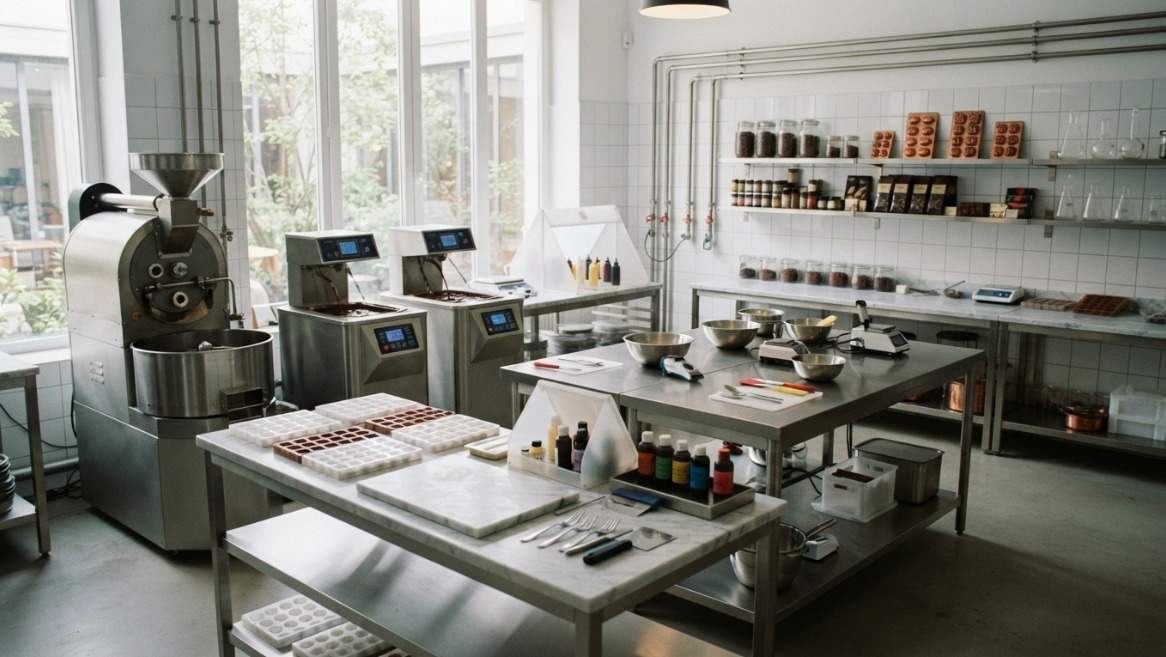
Cacao trees only grow within about 20 degrees of the equator, so nearly all the world's raw chocolate starts its journey in a handful of tropical countries before it ever reaches a chocolatier's kitchen.
What Chocolatiers Really Do
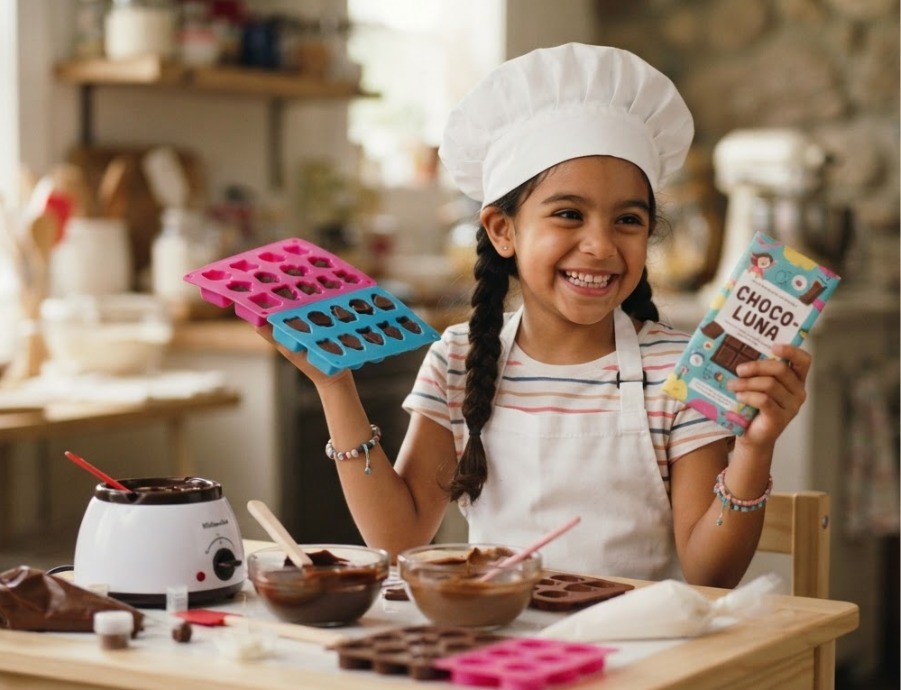
Imagine walking into a kitchen that smells like warm cocoa and vanilla, with shiny trays of chocolate shapes cooling on every counter. That is where a chocolatier works. A chocolatier is someone who takes chocolate and shapes, flavors, and decorates it into candies, bars, and desserts. They melt chocolate just right, pour it into molds, and add fillings like caramel, fruit, or nuts. Every piece a chocolatier makes is a little bit of art you can eat.
Being a chocolatier means being part scientist and part artist. You have to know exactly how warm or cool chocolate needs to be so it turns out smooth and shiny instead of dull and crumbly. You also get to dream up new flavors, colors, and shapes, like a chocolate seashell filled with raspberry cream or a bar swirled with sea salt. If you love mixing things together, decorating with care, and tasting your own creations, you already think a little like a chocolatier.
You Might Love This If...

Skills That Follow You Everywhere
Making chocolate teaches skills that go far beyond the kitchen. Chocolatiers learn to solve problems when a batch doesn't behave, manage their time under real deadlines, and dream up new ideas that delight the people who taste them. These abilities carry into almost any career or creative pursuit.
Time Management
Between tempering chocolate, filling molds, and packaging orders before a deadline, chocolatiers juggle several time-sensitive steps at once. Learning to prioritize tasks and keep a batch moving on schedule builds a sense of time management that matters in any job.
Creativity
Chocolatiers are always coming up with new ideas and solutions, whether it is a flavor pairing no one has tried or a new shape for a truffle. Creative thinking means trying something new without fear of a batch that doesn't quite work, then using what you learn to make the next one even better.
Problem-Solving
Chocolate is sensitive. Humidity, temperature, and timing can all throw off a batch, so chocolatiers learn to test what is happening, choose a fix, and try it out on the spot. That habit of understanding a situation and finding the best answer builds a mindset that is useful far outside the kitchen.